
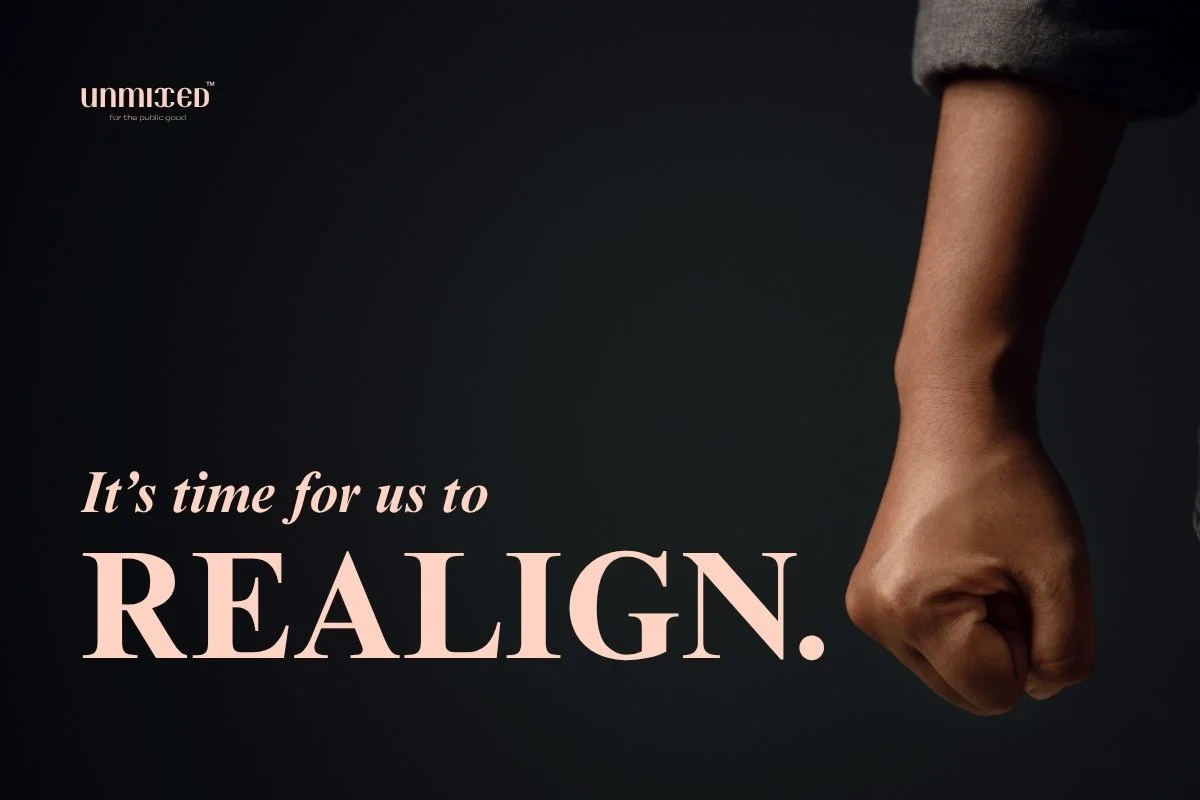
REALIGN.
words By Nina Malik
Art, especially dance music, has no business existing as a capitalist structure.
It was built on resistance and rebellion.
Now it is being watered down into table service, VIP entrances, and DJs playing it safe.
No risk. No soul. No art.
Dance music was never meant to be every industry.
It was built against the system by those it excluded.
What once existed to free people from the system now feeds that same system.
The club, once a shelter for misfits, queers, workers, and dreamers, is being sold back to us with a markup and a brand deck.
Black and queer creators politicized joy long before it was safe to do so.
The same people who built the foundations of dance music, from disco to house to techno, built it as resistance, not escapism.
That legacy traces back to the plantation fields, where rhythm was rebellion and sound was survival.
From spirituals to jazz and onward, every note carried both pain and power.
Their sound was not a commodity. It was defiance, a shared language of survival and hope.
The dance floor was never just about escape.
It was a declaration of life against oppression.
But somewhere along the way, we traded meaning for metrics and culture for convenience.
Yes, the numbers add up, but who profits?
Investors, tech sponsors, celebrity agencies, and holding companies.
Not the small artists or the production crews who literally build the stage.
Culture is not a balance sheet. It is devotion, risk, and intention.
And no, we are not after your agent or manager.
We are not after your photographers or videographers.
What we are interested in are the ten marketing teams working restlessly to make you look desirable to the market.
The ones who polish every word, every outfit, every caption until there is nothing left to say.
When marketing becomes the art form, artists stop being artists.
They become products.
We have seen both sides of this.
There are agencies that treat their artists like people, not property.
Listed Bookings, run by Gunita, represents the rare kind of agency that actually protects artists from the machine.
She grounds them, reminds them of purpose, and helps them find meaning beyond the algorithm and joy in smaller gigs alongside larger ones, not either or. in her own words: “.. in the process it feels like a management agency for the longevity of the artist to find their groove”
That is what agencies should look like: mentorship, not manufacturing.
Then there is the other extreme, the celebrity industrial complex.
Agencies like Celebrity Talent International feed on hype, inflate fees, and treat everyone — artists, promoters, even audiences — as extractable deliverables and ROIs.
We are almost certain artists like Charlotte de Witte do not make half their decisions alone.
Every move has a PR shadow, a corporate ghost in the room.
So when we asked, “A hundred thousand dollars for two hours — how did we get here?”
We were not saying artists should not be paid.
We were asking why we keep endorsing the greed.
What if the underground simply stopped working with these celebrity agencies altogether?
What if we built smaller structures that work like people, not corporations?
Ticket prices would drop, creativity would rise, and the culture would finally heal.
What is happening now is deeper than financial imbalance. It is moral distortion.
We have built an economy where even pain has a price tag.
Emotional labor has become a branding strategy.
Vulnerability is now a currency.
Can anyone imagine telling Van Gogh to capitalize on his mental illness?
That he should film short-form content from the psych ward to stay relevant?
Because we cannot.
And yet that is exactly what the modern industry demands.
Artists are selling their entire lives, with all their trauma, as authenticity to meet engagement quotas.
Meanwhile, on the other side of this grotesque spectrum, we have the toxic positivity elite.
The Burning Man crowd preaching positive energy only while ignoring the rot beneath.
The ones who chant “why can’t everyone just be happy” as if optimism were ethics.
Like Dostoevsky’s pure idiot, they mean well but understand nothing.
Their comfort depends on not seeing the cracks.
Their ignorance is their comfort.
Their denial is their privilege.
A culture that has lost its moral center.
A system that demands we either exploit our suffering or silence it.
Both extremes, the commodified pain and the commodified joy, are symptoms of the same disease.
This is not nostalgia. It is disorientation.
When culture runs out of values, it starts recycling aesthetics.
Just like Americans of a certain age obsessed with the 1950s, not because it was better, but because it felt certain.
We are not missing the past. We are missing clarity.
We are here to widen the lens, to hold culture accountable, and to remind it of its purpose.
Unmixed exists for the public good.
We are not here to sell the scene back to itself.
Dance music does not need to go back.
It needs to realign.
With integrity, intention, purpose, and humanity.
Culture first. Profit second. Always.
