
No Thanks, Just Truth: Nightlife, Land Back, and Late-Night Solidarity
A Safer Future Starts with the Truth.
〰️
A Safer Future Starts with the Truth. 〰️
Ever since I moved to US, I have come to realize that Thanksgiving isn’t a simple holiday. Especially for many Indigenous peoples across Turtle Island, it lands less like a celebration and more like a National Day of Mourning — a reminder of land theft, forced displacement, cultural erasure, and the ongoing violence that still shapes daily life. While the U.S. is trying to lean into gratitude, a lot of people are choosing “No Thanks, No Giving,” refusing to skip the genocide chapter just because the calendar says it is time to be festive.
There’s no single, precise number for how many Native people were killed “on Thanksgiving” because the holiday we know today collapses decades of colonial violence into a myth about peace. Thanksgiving as an official observance grew partly out of a 1637 proclamation following the Pequot Massacre, when English forces and their Native allies attacked the Pequot fort at Mystic, killing hundreds of Pequot men, women, and children; historians estimate roughly 400–700 people were murdered in that assault and the subsequent hunting down of survivors. Over the following decades, wars like King Philip’s War and a long chain of raids, massacres, disease, and forced displacement destroyed a massive share of Native communities in New England, showing that Thanksgiving sits on top of a much larger landscape of genocide, not a single isolated event.

Oljato-Monument Valley, United States by Gerson Repreza
So instead of clinging to a mythologized origin story, this is a moment to lean into what nightlife teaches at its best: truth-telling, solidarity, and collective care. Our scenes do not exist in a vacuum; they sit on stolen land, in cities that still profit from histories of dispossession, policing, and extraction. Gratitude without accountability is empty, and any talk of “community” or “sustainability” has to start from that ground.
Nightlife has always existed on stolen land. The music, the culture, the DIY basements and club nights we gather in are layered over the histories of Indigenous peoples who have been resisting erasure for generations. If we are serious about “supporting the scene,” then land back, water protection, and Indigenous sovereignty are not side notes — they are part of the set list. The joy we feel at 3 AM: belonging, possibility, a sense that another world is briefly possible only holds its power if we understand whose land we are on and whose struggles get ignored when we post a cute Thanksgiving recap.
Burning Man offers a useful lesson here. The festival’s temporary city rises each year in Nevada’s Black Rock Desert - land that Pyramid Lake Paiute Tribe describes as part of its aboriginal territory and cultural heritage, even though it sits outside the formal reservation boundary. For the Tribe, this is not an “empty” playa but a place with living spirits, history, and responsibility, which is why spiritual leader Dean Barlese has emphasized that they “speak for Peah Deep, Mother Earth” there and that she is “crying tears of blood” in the face of ongoing harm. That framing undercuts the idea of Black Rock as a neutral blank canvas for festival culture and makes it clear that Black Rock City is built on land taken from Indigenous caretakers who are still present and still asserting their relationship to that place.
One very concrete expression of this relationship is the Tribe’s request that Burning Man participants stop leaving cremated human remains in the Temple or on the playa. From the Paiute perspective, non‑Native human ashes can disturb the living spirits tied to the lake and desert, and honoring the land means not depositing remains that do not belong there, even when the intention is grief or healing. Temple Guardians and Burning Man’s own guidelines now ask people to respect this request—inviting memorials and tributes, but urging participants to take ashes back with them and find other ways to grieve—making Indigenous spiritual sovereignty part of the ethical baseline for participating in this so‑called radical gathering on stolen land.
Burning Man is not an anomaly — it is a model. In Nevada, tens of thousands of mostly white, affluent Burners drive through the sovereign Pyramid Lake Paiute Reservation to build a temporary city in the Black Rock Desert, while tribal leaders keep warning about traffic, trash, disrespect at Pyramid Lake, and enormous amounts of trash over sacred land. Down in California, Coachella turns Cahuilla land into a global lifestyle backdrop where non‑Native festival‑goers have long treated warbonnets, “tribal” prints, and Indigenous aesthetics as disposable fashion until public backlash forced partial bans. Across the map, destination events and nightlife hubs—from Black Rock City to the Coachella Valley—sell “radical inclusion,” “consciousness,” and “community,” but the land they monetize belongs to Indigenous nations still fighting for sovereignty, water, and basic respect.
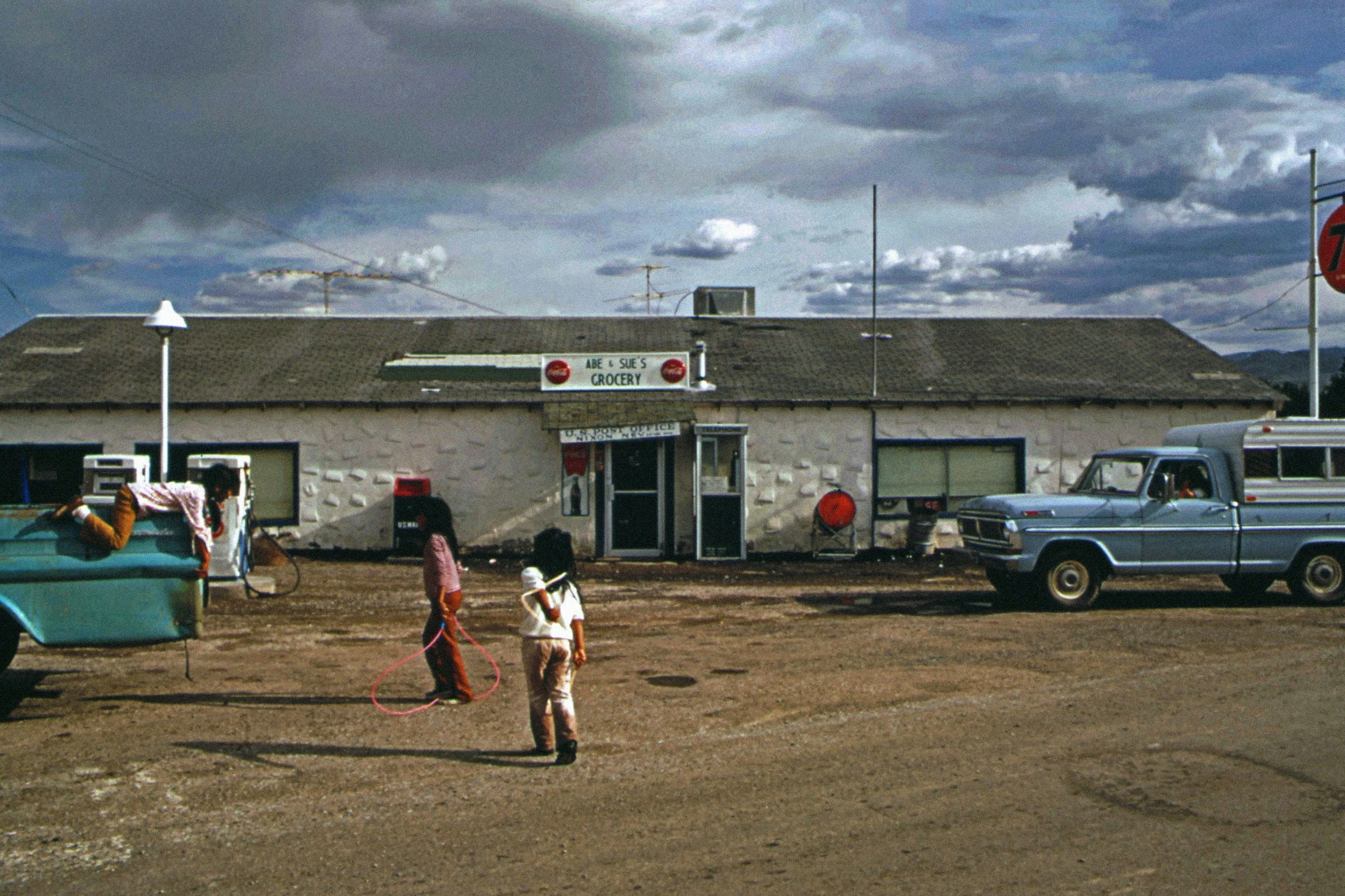
‘a couple of people that are standing in the dirt’
May 1973: Paiute Indian children, Nixon Pyramid Lake reservation (Jonas Doydenas / Documerica)
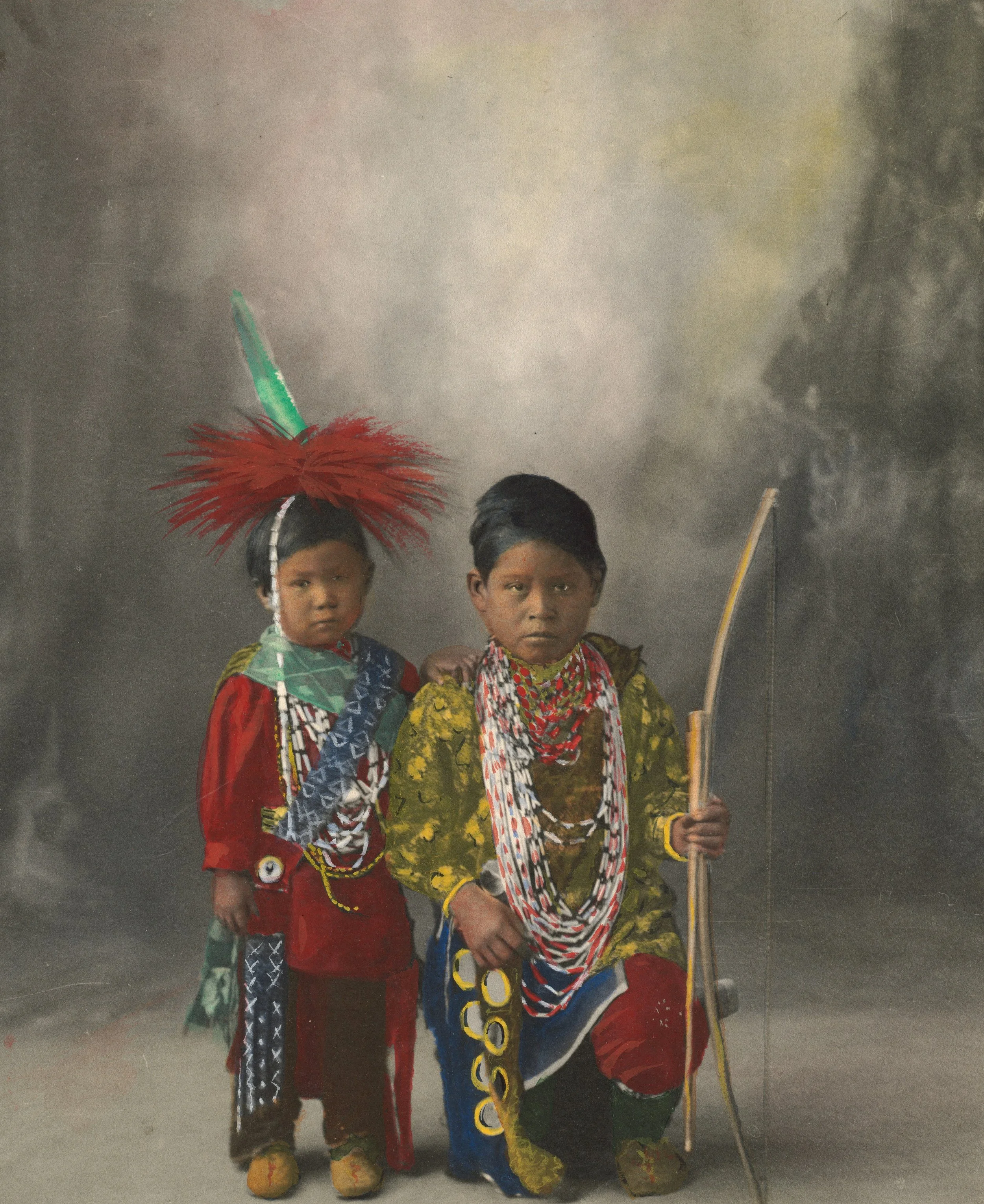
Two Little Braves, Sac & Fox 1898 CC Boston Public Library
This week, many Indigenous communities move through it in grief and resistance, not celebration. They organize National Day of Mourning gatherings, sunrise ceremonies, cultural events, and campaigns that link land defense, clean water, and the fight against state and gendered violence to broader struggles for liberation. Their work is not seasonal content; it is year‑round mutual aid, community care, and political organizing rooted in knowledge that has kept people alive since long before anyone talked about “the culture.”
Nightlife, for all its contradictions, still shows us what real‑time solidarity can look like. Queer and trans communities, disabled clubbers, Black, brown, migrant, and Indigenous ravers and workers have long relied on each other—not institutions—to survive the night. Care moves in small gestures—watching a friend’s drink, walking someone home, holding space for a panic spiral, blocking a harasser at the bathroom door—and in bigger ones, like mutual aid funds, community defense, and late‑night labor organizing. These are not just “vibes”; they are survival strategies that extend traditions built by queer, trans, Indigenous, Black, and working‑class communities.
This Thanksgiving, instead of amplifying a feel‑good narrative built on harm, Unmixed is turning toward the people who resist harm every day. The ones who treat nightlife as a commons, not a commodity. The ones who keep each other safe when institutions look away. The ones who refuse to let our spaces be flattened into brand activations while fascism, displacement, and extraction accelerate in the background.
We are grateful for:
Indigenous organizers fighting for land back, water rights, environmental justice, and cultural sovereignty — on Turtle Island and across the globe.
Nightlife workers: security, bartenders, door staff, cleaners, and back-of-house crews who protect vulnerable people at closing time and hold the room together when things get messy.
Queer and trans communities who have turned clubs and raves into chosen-family infrastructure, using mutual aid and community care to survive a world that still targets them.
Disabled clubbers and organizers who demand access, challenge ableist design, and insist that “safer spaces” also mean physically and mentally accessible spaces.
Artists, DJs, and cultural workers who keep the underground alive when everything around them pushes toward commodification, extraction, and algorithmic sameness.
Venues and crews experimenting with safer, more inclusive, community-rooted models—prioritizing fair pay, harm reduction, and long-term sustainability over quick-profit burnout.
Gratitude will not undo harm, but it can shape how we repair, respond, and redistribute. It can push us toward funding and supporting the people who do the work, not just the brands who cash the checks, and turn “support the scene” into paying artists fairly, backing Indigenous and local organizers, tipping workers well, showing up for mutual aid, and rejecting narratives that erase the violence baked into this holiday.
Unmixed stands with Indigenous peoples marking this week as a day of mourning, not a party; with nightlife workers holding it down in underpaid, over‑policed, often unsafe conditions; with queer, trans, disabled, migrant, and Black and brown communities who build the very culture so many corporations now try to package and sell back to us; and with everyone insisting that nightlife can be a site of resistance, healing, and collective imagination—not just a revenue stream.
Enjoy the day if gathering with your people brings you comfort. Say “No Thanks” if participating in the holiday feels like complicity. Either way, honor the truth. Honor the land you stand on. Honor the communities who keep the night alive when the rest of the world looks away.
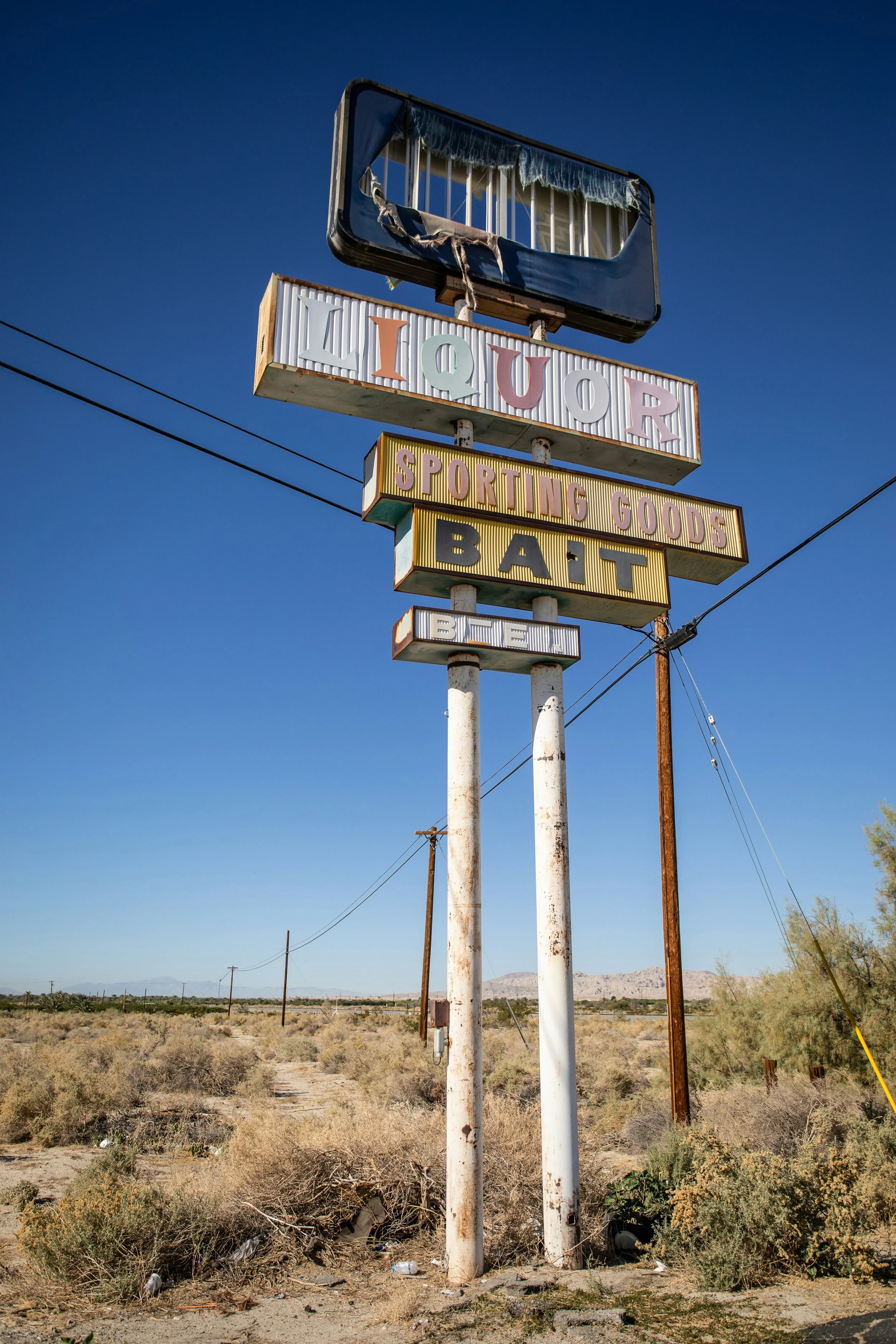
Coachella Valley by Felicia Montenegro
