
What Is “Underground”?
By Unmixed — with community voices
“Underground” is not a genre. It’s not a dress code, an aesthetic, or a price tag. It’s a position — a counter-culture that resists the mainstream’s obsession with profit, polish, and performative cool.
As Inês Duarte from our community put it,"
“it’s easier to define what underground isn’t, than what it is.”
And that might be the most accurate place to begin.
The underground grows in the gaps: in basements, back rooms, community centers, borrowed warehouses, improvised spaces far from the logic of billion-dollar festivals and algorithmic trends. It’s where artists shape their work without chasing virality. Where communities build themselves not around sales or sponsorships, but around trust, curiosity, and shared values.
Against the Mainstream, Not Reaching for It
As one member of the Unmixed community described it, the underground is a version of the scene that doesn’t fit into the mainstream — and doesn’t aspire to reach it at all. Identity here isn’t built on recognition or numbers, but on persistence, creativity, and refusal to conform.
“cultural & artistic expression that is created out of the commercial market & mainstream & capitalism”
— Aitziber, Unmixed community
That limitation is the point. In the underground, the most beautiful things are often already taken — so you work with what no one else wants. And it’s precisely from that position that originality is born.
Refusing Scale, Refusing Extraction
To be underground is to refuse the idea that culture must endlessly scale. It’s a rejection of extractive economics — the kind that turns nightlife into luxury and participation into unpaid labor.
It’s asking the same question Billie Eilish once did:
If you are a billionaire… why?
And then choosing to build something else entirely.
“Anti-capitalist.”
— Gigi Basso
Underground means authentic expression without asking for permission. No marketing gloss. No fake scarcity. No inflated mythologies. Just people gathering to experiment, listen, take risks, and hold space for each other in ways that can’t be bought — even as late-stage capitalism works overtime to turn everything into a product.
Space and Sound
The underground isn’t about prestige venues or perfect documentation. It isn’t built for endless filming, content farming, or algorithmic proof of attendance. It’s built for presence.
“Safe space without everyone filming. Unique locations. Not nightclubs. Experimental music.”
— Glen-David Koidi
Sound here isn’t meant to be immediately legible or easily packaged. Experimentation isn’t a risk — it’s the point of it.
Marko on the Meaning of Underground
One of the most precise definitions of underground we received came from Marko Vojnić, a member of the Unmixed community:
“Underground - A version of the scene that doesn't fit into the mainstream and therefore remains in the ‘underground.’ It's a space far from the establishment and not just far, but one that doesn't aspire to reach it at all. In the underground, one simple rule applies: the less you have, the more you strive to create a style that belongs only to you. There, identity isn't built on popularity or recognition, but on persistence, creativity, and refusing to conform.
The only exception are those who have fallen into the classic trap of rock'n'roll culture taking themselves too seriously, turning into ‘stars,’ and suffering from excessive protagonism.
In the underground, the most beautiful things are already taken or divided up, so you have to make do with what no one else wants or desires and it's precisely from that that originality is born.” - Marko Vojnić
Vojnić’s reflection captures a central truth of underground culture: that scarcity is not a weakness but a condition for originality. When access, resources, and recognition disappear, what remains is persistence, experimentation, and self-definition. Yet his warning is just as important - when underground identities harden into ego, spectacle, or myth-making, they begin to mirror the very systems they once resisted.
The Trap
There’s always a danger point. The moment underground culture slips into rock’n’roll mythology, star behavior, and excessive protagonism, it begins to hollow itself out. When the collective turns into a pedestal, the underground slowly starts to resemble the very structure it once resisted.
Exclusivity plays a role here too. Invite-only doors, inner circles, and access as currency can easily drift from safety toward status. When belonging is turned into a gate instead of a bridge, the underground stops serving the greater good and starts rehearsing the logic of the mainstream — just on a smaller stage.
Expression Without Permission
Underground means authentic expression without permission.
No marketing gloss.
No fake scarcity.
No inflated mythologies.
Just people gathering to experiment, listen, take risks, and hold space for one another in ways that can’t be bought.
It’s not about staying small for purity’s sake — it’s about staying real, staying accountable, and staying connected to the communities that make electronic music more than just a product.
Final Note
The real underground isn’t hidden.
It’s uncompromising.
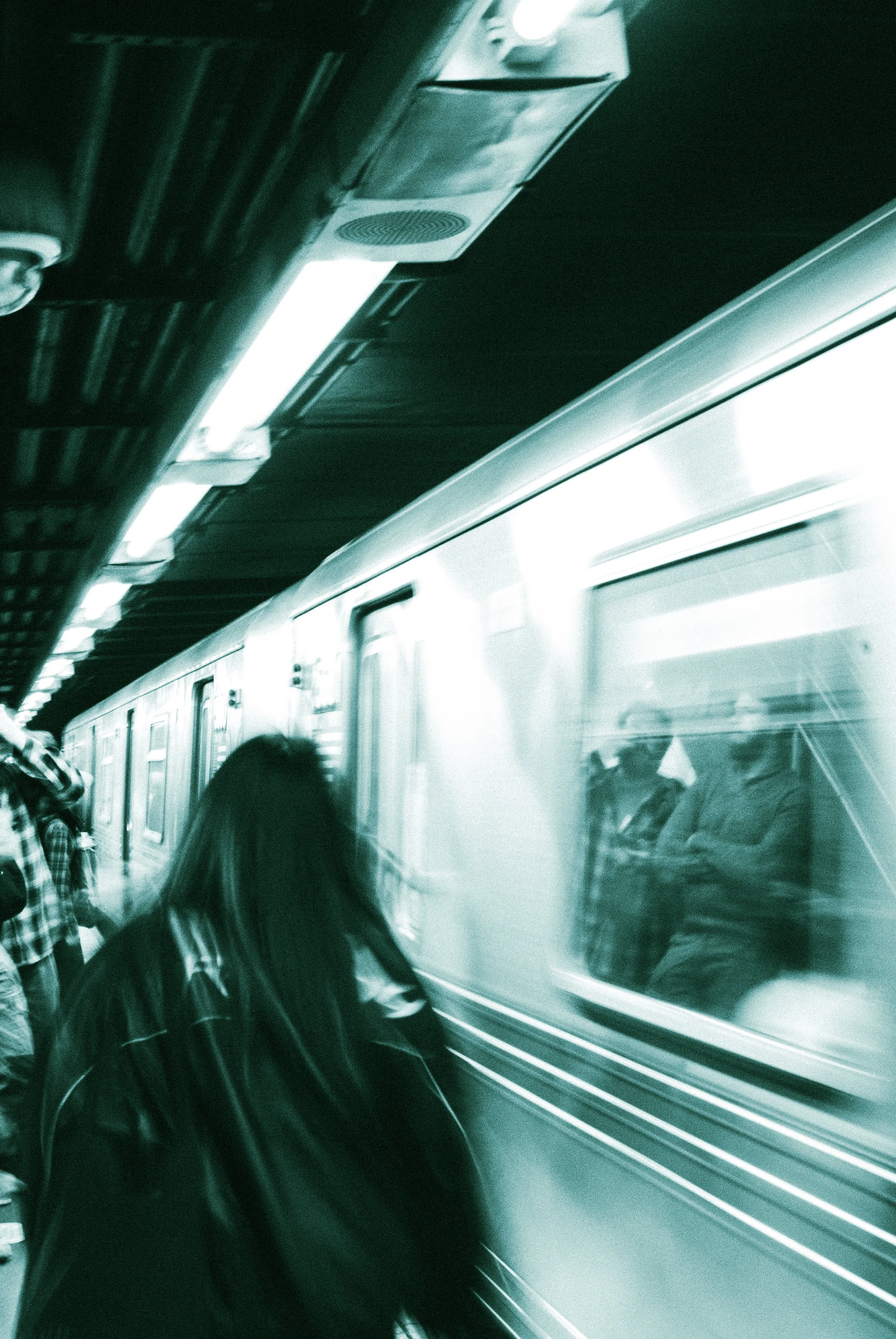
Credits to Community Voices
This piece was shaped in direct conversation with the Unmixed community. With thanks to:
Ines Duarte – on defining the underground by what it refuses to be
Aitziber – on originality through limitation
Gigi Basso – on anti-capitalist politics
Glen-David Koidi– on safe spaces and experimental sound
Marko Vojnić – the definition
Underground culture exists because of the people who protect it — not the platforms that profit from it.
