
EDITORIALS



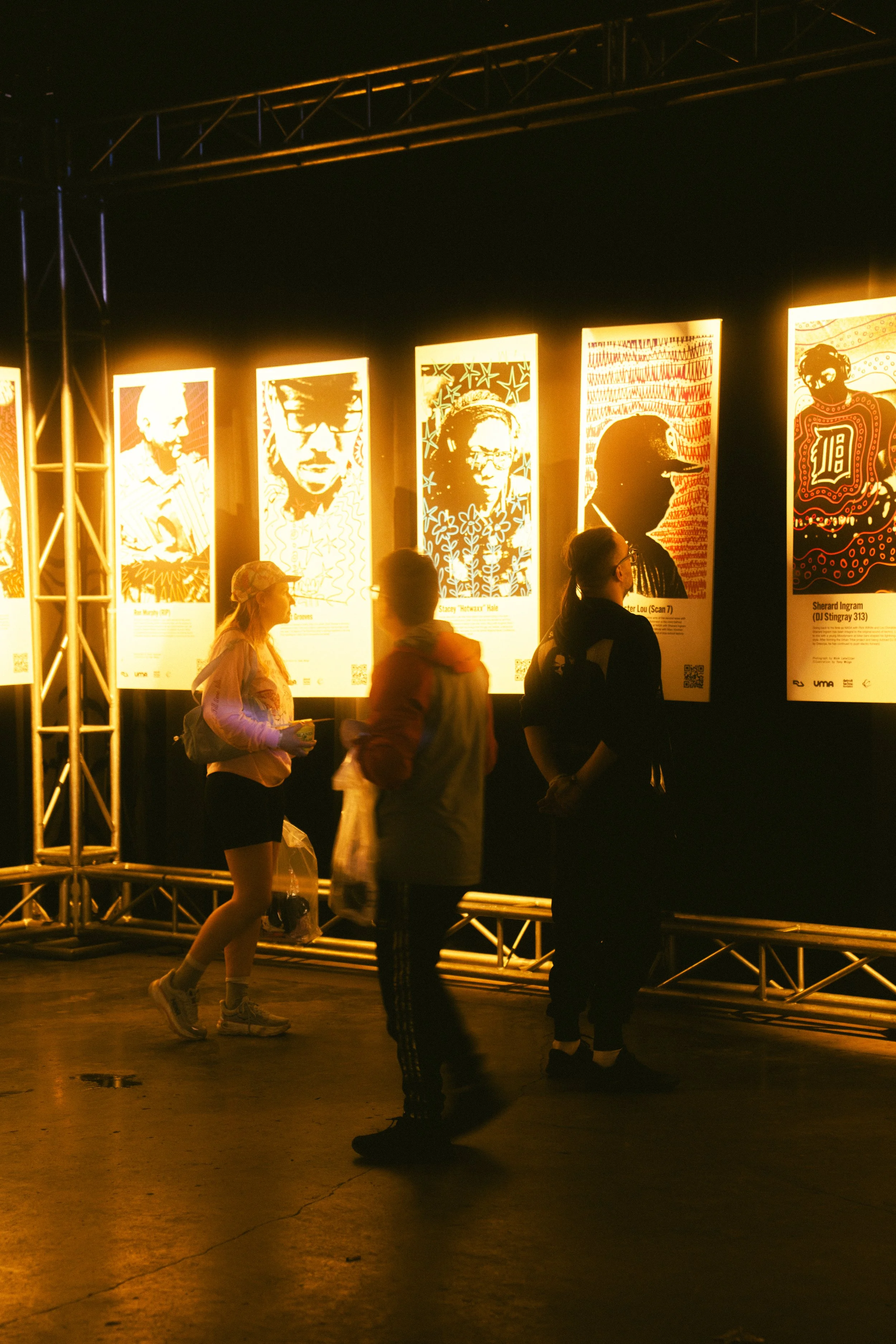
For the Love of Music: Inside Signal NYC's First Anniversary Weekend
Signal NYC was celebrating its first anniversary last weekend and simultaneously launching “Signal Night and Day, where Fridays become all-nighters into Saturday days”.

Movement Festival Detroit 2026 Guide: Best Sets, Movement Music Festival Lineup Picks, Afters, and Side Quests
If you are coming to Detroit for the Movement Music Festival expecting a normal electronic music festival, recalibration is necessary almost immediately.
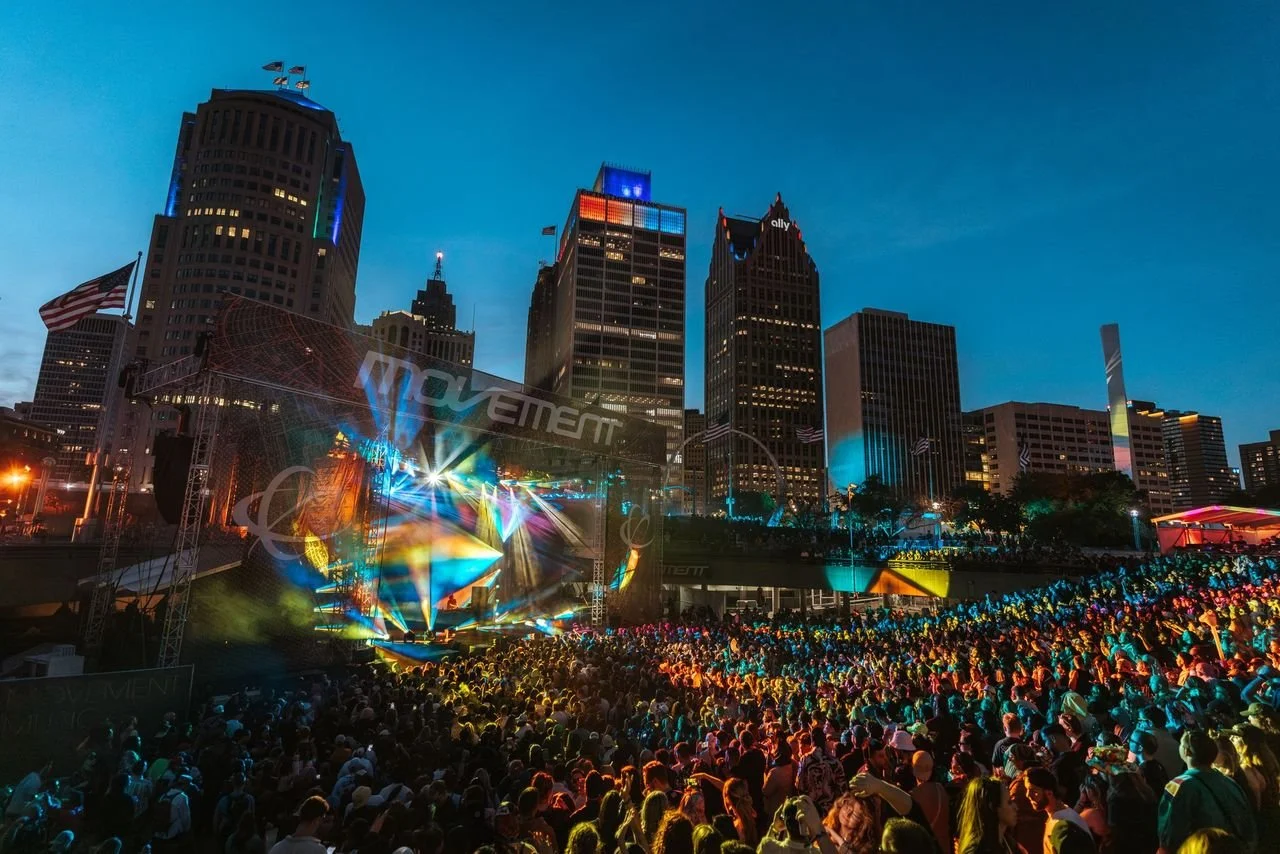
The History of Movement Festival, Preserving the Legacy of Techno’s Roots in Detroit
From May 23-25, Movement Festival will turn Detroit into a nonstop city-wide electronic music party. As the birthplace of techno music, the festival pays tribute to the genre’s roots in experimentation and expression during a time of urban decay.
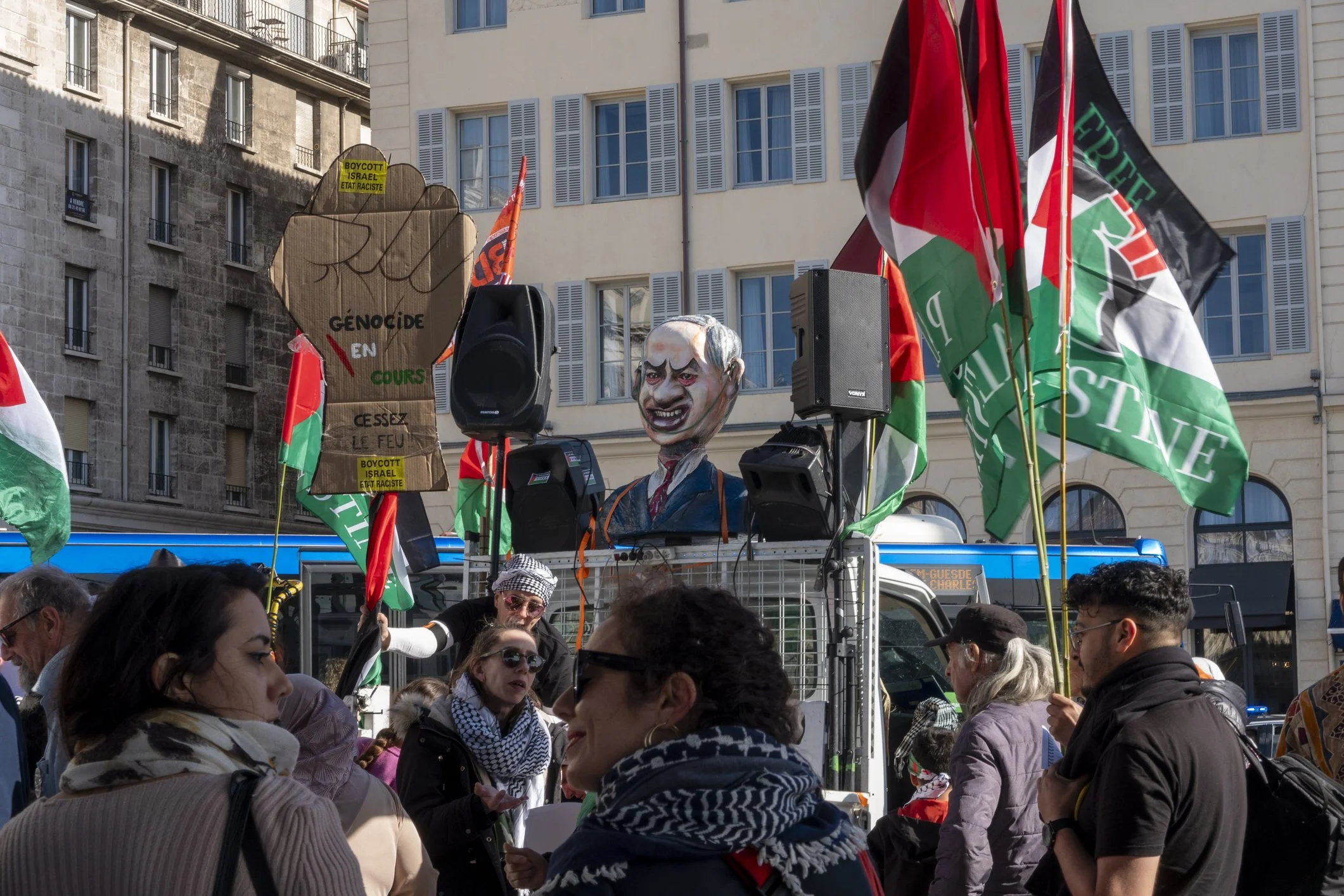
Nightlife and Cultural Workers: Solidarity as Workers and for Palestine
On October 27, 2023, a few weeks after the Nova music festival attack which launched Israel’s full-scale genocide against Palestinians in the Gaza Strip, a group of artists and cultural workers signed and issued a public letter. The letter started with explaining the context behind these events, that “[f]or over 75 years, the Palestinian people have been subject to a violent and racist occupation by Israel.”
The Power Play Behind TAG and Teksupport: Legal Battles Across Three Jurisdictions
On a Friday night in April, a thousand people packed into Brooklyn Storehouse to hear a D.J whose name most of them couldn't pronounce. The venue is in Building 293 at the Brooklyn Navy Yard, a 60,000-square-foot industrial venue with the lease nearly expired.
iHeartMedia and Sirius XM in Merger Talks as Audio Industry Faces Transformation–and Monopoly Concerns
news that could change the listening habits of millions of Americans, shifting towards on-demand streaming and acquiring advertising technology gives them power to leverage power and establish monopoly.
An $11 Million Question as Brooklyn Storehouse Faces a 24-Day Countdown to Lease Expiration
Brooklyn Storehouse has just 24 days to learn if it can keep its doors open, its future caught in a legal crossfire involving a bitter family rivalry, disputed assets, and allegations of fraud.
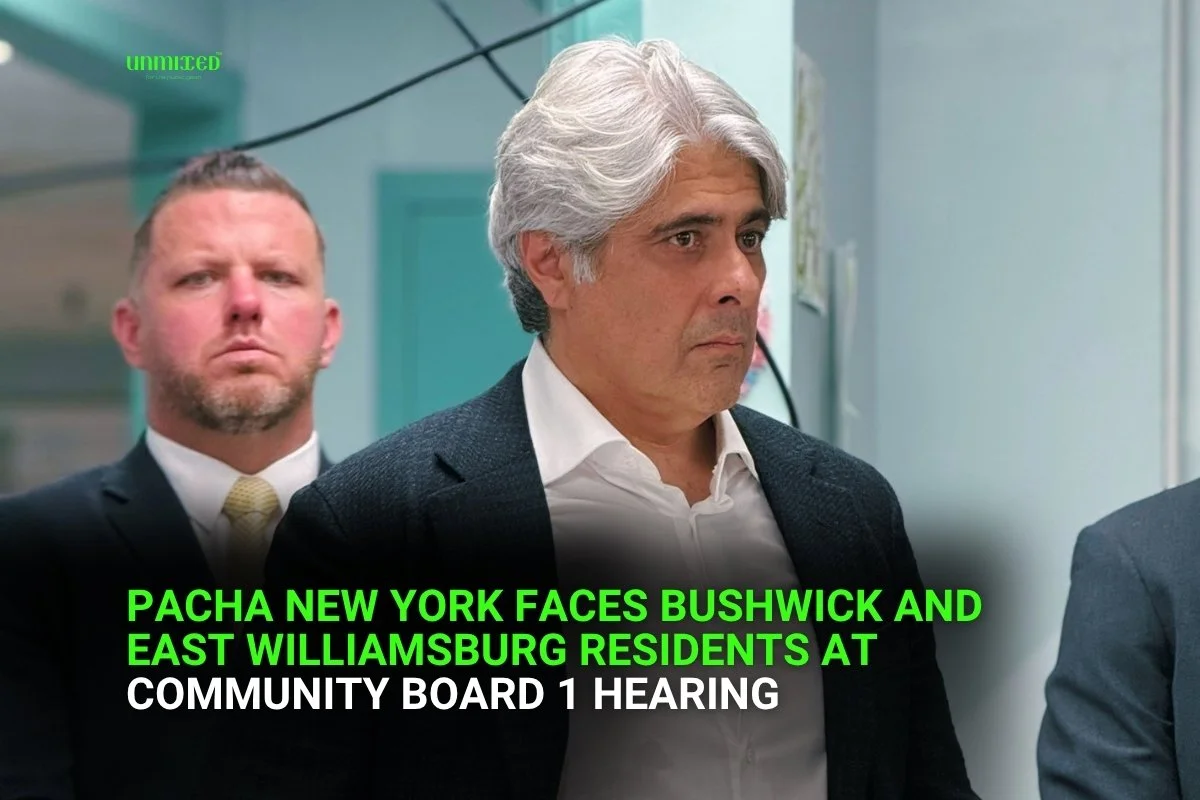
Pacha New York Faces Bushwick and East Williamsburg Residents at Community Board 1 Hearing
Bushwick and East Williamsburg residents showed up last night. Community Board 1 held a public hearing last night on Pacha New York's liquor license for what would become an 8,000-person outdoor venue at the former Brooklyn Mirage site – down from an allegedly proposed capacity of 9,600. FIVE Holdings' Kabir Mulchandani – the Dubai-based billionaire behind the Pacha brand since 2021 – made an in-person appearance, delivering a 10-minute presentation to the board.

"They Were Talking About Me Behind My Back": Artist Jo Loewenthal Exposes Global Music Royalty System with Leaked Emails and Takes Legal Action
Johan "Jo" Loewenthal, frontman of the indie band Tora, has ignited a global conversation by revealing internal emails and data reports that allegedly expose deceptive practices within the music royalty network.
STOP CALLING EVERYTHING TECHNO!
Techno was created by black communities in working-class settings, not by high-profile cultural institutions or privileged people. It emerged from industrial cities, cemented in queer and marginalized clubs, and was defined by DIY ecosystems.
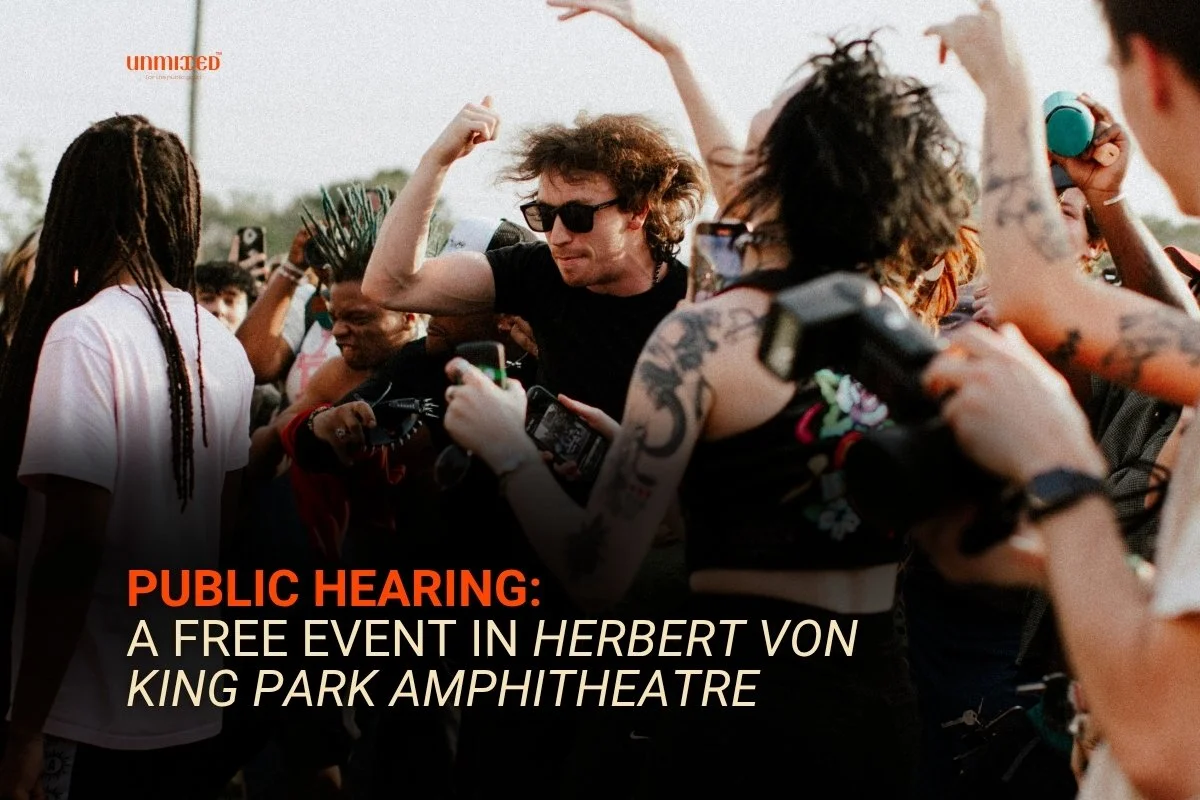
PUBLIC HEARING – a Free Event in Herbert Von King Park Amphitheatre
We're done talking about the industry. It's time to build something new. On April 19, we're taking over Herbert Von King Park with a free public event. No warehouse, no club, no ticket price. Just a sound system, a full afternoon, and the amphitheater. It's a public space, and it belongs to all of us.
Teksupport: The Deadlock – Inside the Partnership Dispute and Alleged Corporate Coup
In January 2024, Forbes profiled Teksupport as a family-run business at its peak and positioned it as a powerful force in the industry. The article focused on co-founders Robert Toma and Michael Vitacco as a unified team. By early 2026, that narrative no longer stands. The partnership has seen courts, in plural,and the company is now defined by internal conflict.