
Pacha New York Faces Bushwick and East Williamsburg Residents at Community Board 1 Hearing
by Nina K. Malik
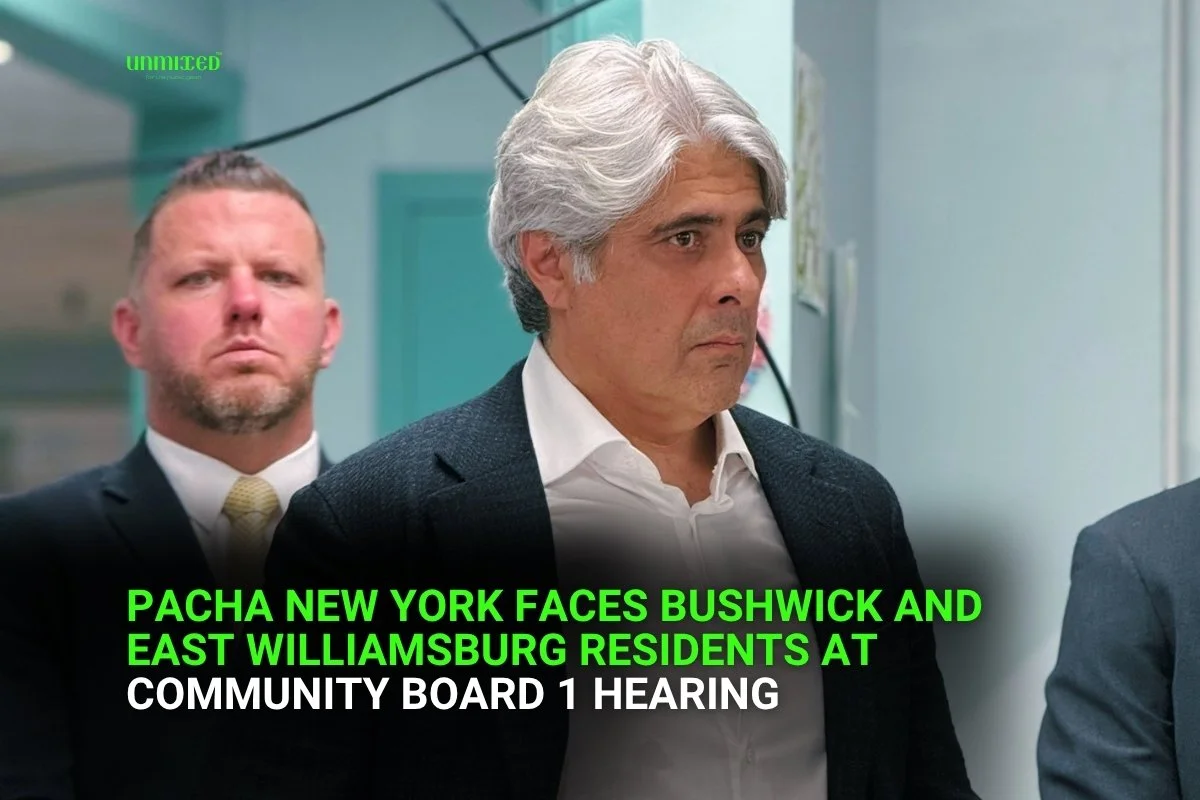
in frame: Kabir Mulchandani.
Last night, Bushwick and East Williamsburg residents packed Community Board 1’s public hearing on Pacha New York’s liquor license application – and they had a lot to say.
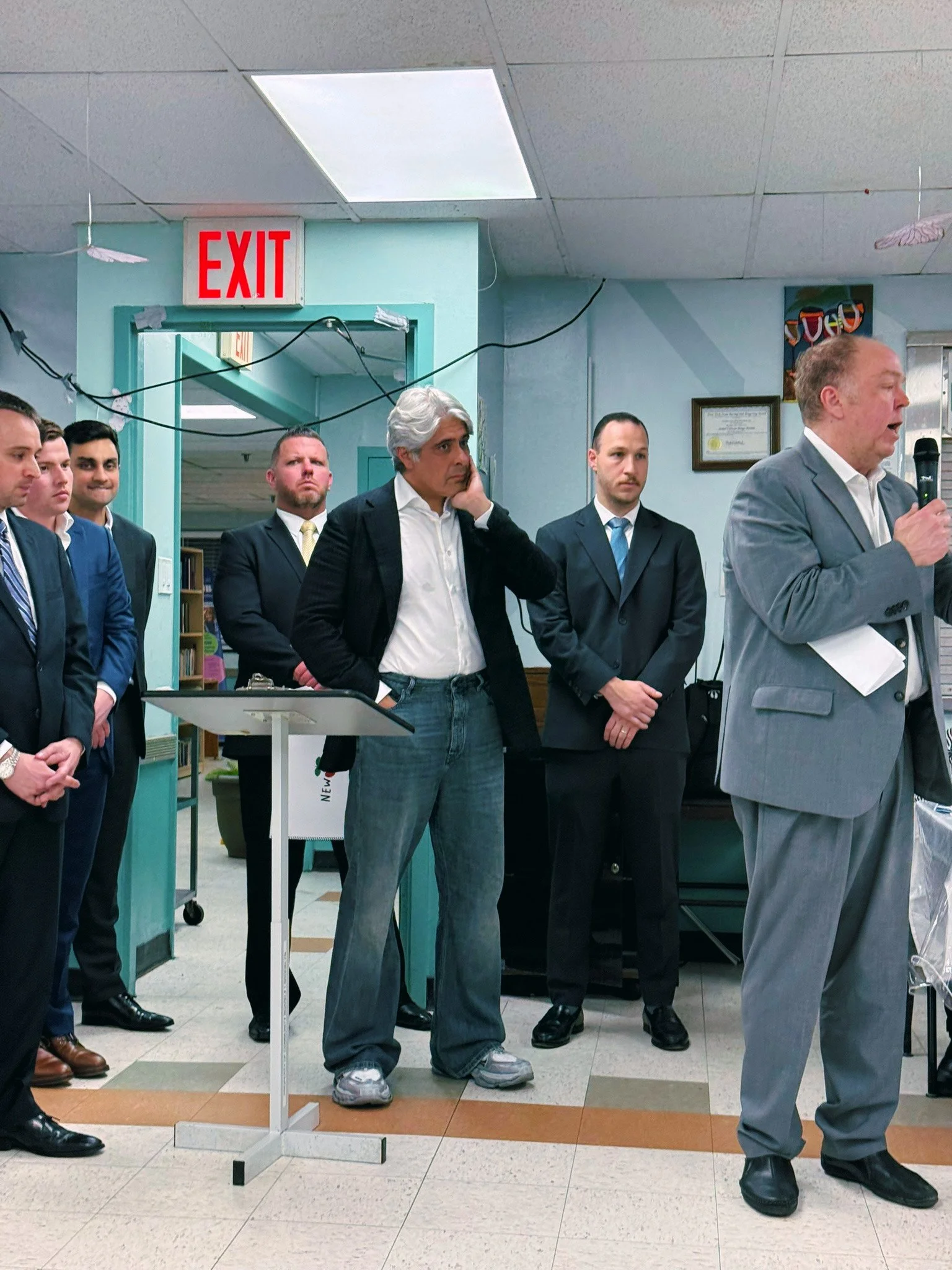
Kabir Mulchandani CB1 meeting April 14, 2026. Brooklyn New York
FIVE Holdings' Kabir Mulchandani – the Dubai-based billionaire behind the Pacha brand since 2021 – made an in-person appearance, delivering a 10-minute presentation proposing an outdoor venue at the former Brooklyn Mirage site with a revised capacity of 8,000 – down from the originally floated 9,600. The public responded with over 50 minutes of comments and questions.
Among the headline proposals: an AI-powered security system that Pacha claims can process up to 3,000 people at a time. The claim had no clear explanation offered for how it would actually function. On shuttles, the team outlined plans to run buses every 30 minutes to three subway stops – Morgan Ave, Jefferson St, and a Manhattan station.
Resident after resident described the noise from the former Brooklyn Mirage not as an occasional nuisance, but as a years-long fixture of daily life – bass bumping through walls at night, children unable to sleep, families in a prolonged state of stress. One resident, a caregiver for his 84-year-old father with Alzheimer's, described the surrounding streets as “an ecosystem that has been horrible for us.” A mother of two who has lived in the building for 20 years said the sound from the Mirage caused serious disruption for her children's sleep and her family's wellbeing for multiple summers.
Several speakers called for hard conditions on any license: a strict outdoor noise curfew at 10 p.m., a dedicated resident hotline for complaints, and independent decibel monitoring – with one resident questioning whether Pacha's self-reported sound data could even be trusted. Others flagged the pattern of phone theft and street crime that plagued the area during Avant Gardner events, and pressed the security team on what coordination with the 90th Precinct would actually look like.
A representative from Congresswoman Velázquez's office read a letter co-signed by local electeds asking the State Liquor Authority to delay review of the application until officials can visit the site and get more answers from the ownership group. “Promises were made and promises were broken,” the rep said, referencing commitments made by the previous operators.
Not everyone was opposed. A representative from a local chamber of commerce expressed support, citing job creation, local vendor commitments, and Pacha's stated investments in acoustics and lighting. One speaker called the site “a tourist magnet” and argued that the industrial zone context made amplified outdoor sound reasonable.
We asked Mulchandani the last question on the timeline of FIVE Holdings' involvement – pointing out that the company began marketing in New York in August 2025, the same month Avant Gardner filed for bankruptcy, suggesting the deal was negotiated without community or bankruptcy court knowledge. Mulchandani pushed back, saying FIVE never negotiated with creditors and that all transactions were between principals. “There is nothing we have done that in any way has been unethical,” he said. We had a chance to catch up in the hallway but only briefly, after 3 hours of non-working A/C unit in what felt like a 90 degrees room, we did not press him further.
Community Board 1’s recommendation is advisory, but carries significant weight with the State Liquor Authority, which makes the final determination. A strong showing of public opposition – or support – typically influences the conditions attached to any license, including sound limits, operating hours, and crowd management requirements.
