
The History of Movement Festival, Preserving the Legacy of Techno’s Roots in Detroit
By Natasha Cornelissen
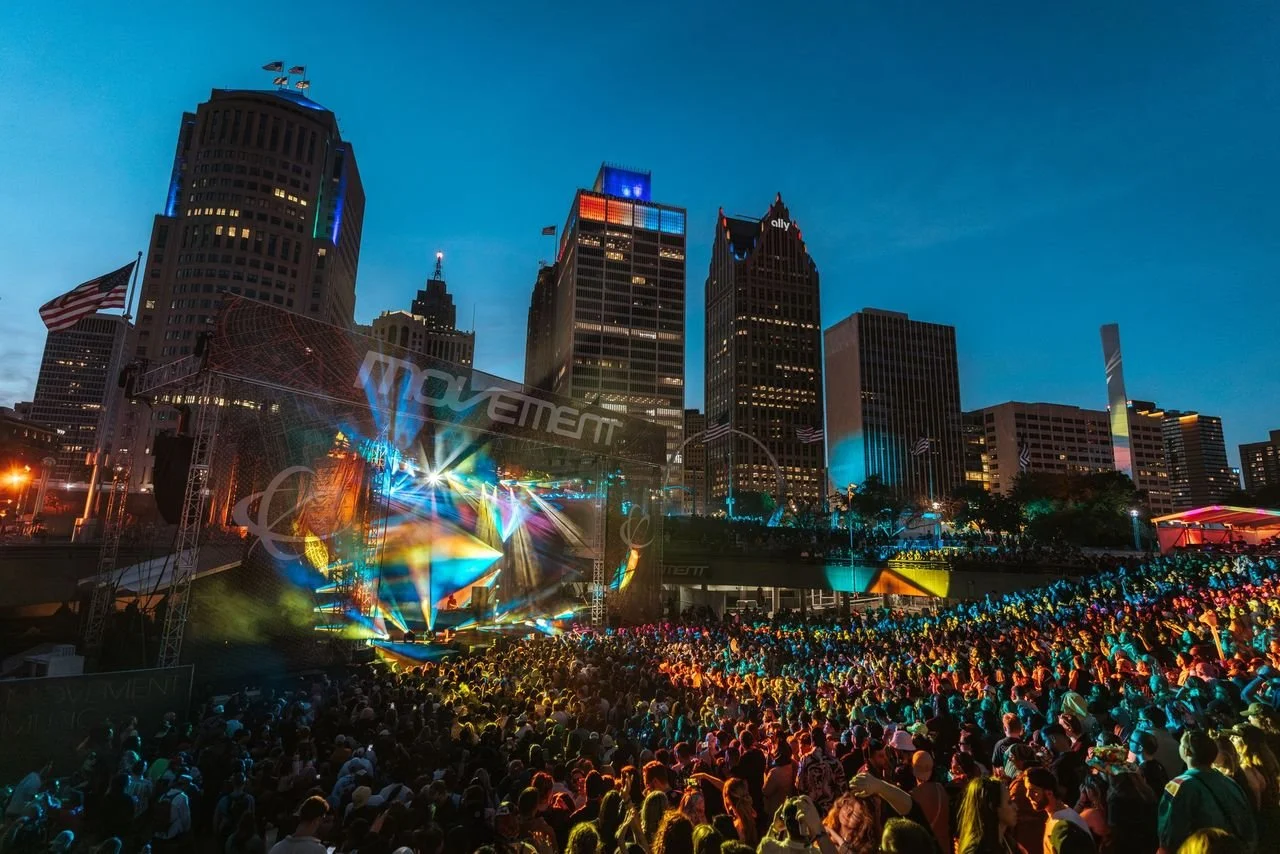
The crowd dancing to Jamie XX at Movement 2025. Photo by Jacob Mulka.
For the most dedicated American ravers, Techno Christmas has nearly arrived. Tomorrow, Movement Festival will fill Detroit’s Hart Plaza with thousands of dancers, from candy-clad shufflers and hardcore techno heads to soulful house veterans. From Saturday to Monday, a variety of electronic music booms from stage to after-party, creating a nonstop city-wide celebration of sound.
While many may think of Europe when they think of techno, the genre was born in 1980s Detroit, Michigan, a city caught in limbo between industrial growth and urban decay. Here, post-World War II “white flight” to the suburbs followed by Civil Rights-era social unrest led to the once thriving manufacturing hub’s stagnation. In the midst of widespread neglect and poverty, music and creative expression became coping mechanisms for deeply-felt isolation.
In 1977, the psych-rock-hip-hop collective Parliament-Funkadelic released “Flashlight,” which hit number one on the R&B charts the following year. “The Originator” Juan Atkins, then a 16-year-old student at Belleville High School on Detroit’s outskirts, said: “‘Flashlight’ was the first record I heard where maybe 75 percent of the production was all electronic – the bassline was electronic, and it was mostly synthesizers.”
By then, Atkins had befriended two kids in the year below him, Derrick May and Kevin Saunderson, and the trio bonded over being among the few Black students in a majority white suburb as well as through their eclectic taste in music. Atkins introduced the others to new sounds, including the German band Kraftwerk, which produced pioneering synth and drum-machine tracks in the 70s like “Autobahn” and “The Man-Machine.”
“Kraftwerk was always very culty, but it was very Detroit too because of the industry in Detroit, and because of the mentality,” said May in 1992. “That music automatically appeals to the people like a tribal calling… It sounded like somebody making music with hammers and nails.”
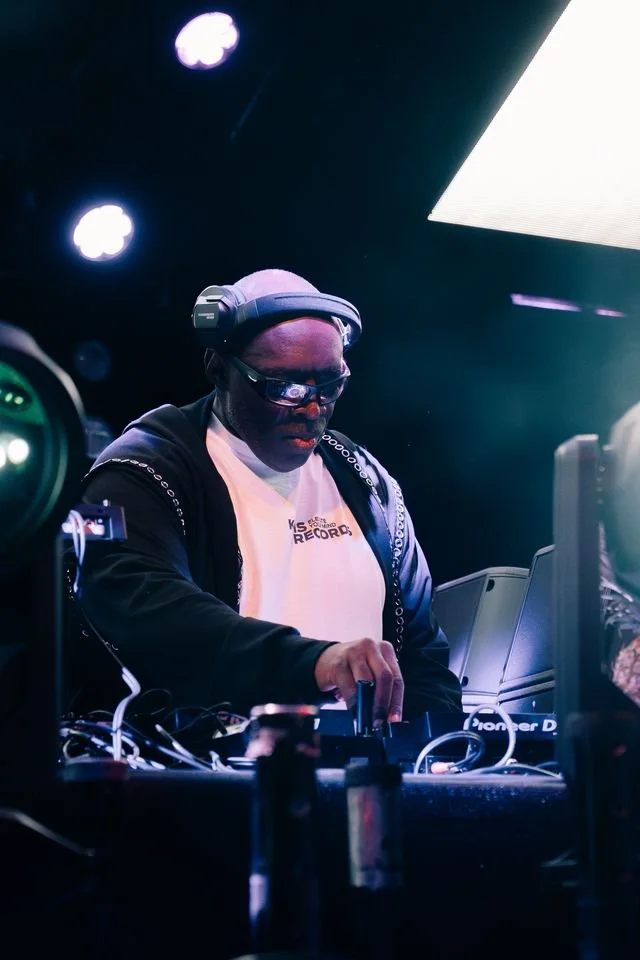
Kevin Saunderson by Xavier Cuevas.
The trio, which later earned the nickname The Belleville Three, belonged to a new generation of Black youth in Detroit who grew up following the explosion of the automotive industry. These kids who had parents working at Ford or General Motors became accustomed to a higher level of affluence, having the opportunity to travel and get into books, film, and fashion. For this GQ-reading subculture with Europhile tastes, one expression of upward mobility was clubbing.
With names like Snobs, Brats and Ciabattino, nightclubs in Detroit played an artsy medley from Italian disco and European synth-pop to New York electro-funk and American New Wave. It was within this party culture that around 1980, Atkins and May started learning how to DJ themselves. Calling themselves Deep Space Soundworks, they played their first gig in ‘81 as the warm-up for Detroit’s most famous DJ, Ken Collier. And humiliatingly, nobody was dancing.
“Everywhere you went you had to be on your shit, because Detroit crowds were so particular, and if you really weren’t throwing down or you had a fucked-up mix, people would look at you and just walk off the dance floor. And that’s how we developed our skills, ‘cos we had no room for error.”
As the auto industry continued to crumble, The Three went on to produce their own tracks and establish some of the earliest labels, shaping techno’s foundational sound alongside other OG’s like Eddie Fowlkes and Stacey “Hotwaxx” Hale. Influenced by hip-hop and guided by an ethos of experimentation, these artists created a genre that reflected their hopes for the future, gilded in chrome and rife with possibility.
Thanks to radio DJs like “The Electrifying Mojo” Charles Johnson and “The Wizard” Jeff Mills, techno landed on Detroit’s airwaves and grew in popularity throughout the 80s. Meanwhile, Chicago house blossomed from disco’s revival in the Black queer scene, and in New York, another offshoot of 70s disco was pioneered by DJs like Frankie Knuckles and Larry Levan: lyrical, deep-house garage.
The decade’s end saw electronic music make its way to London, Ibiza and Berlin, where its explosion in popularity among alternative, anti-establishment youth led to the birth of endless subgenres. As its success made way for large-scale, commercial events, techno’s mainstream status in Europe overshadowed the largely underground culture back home.
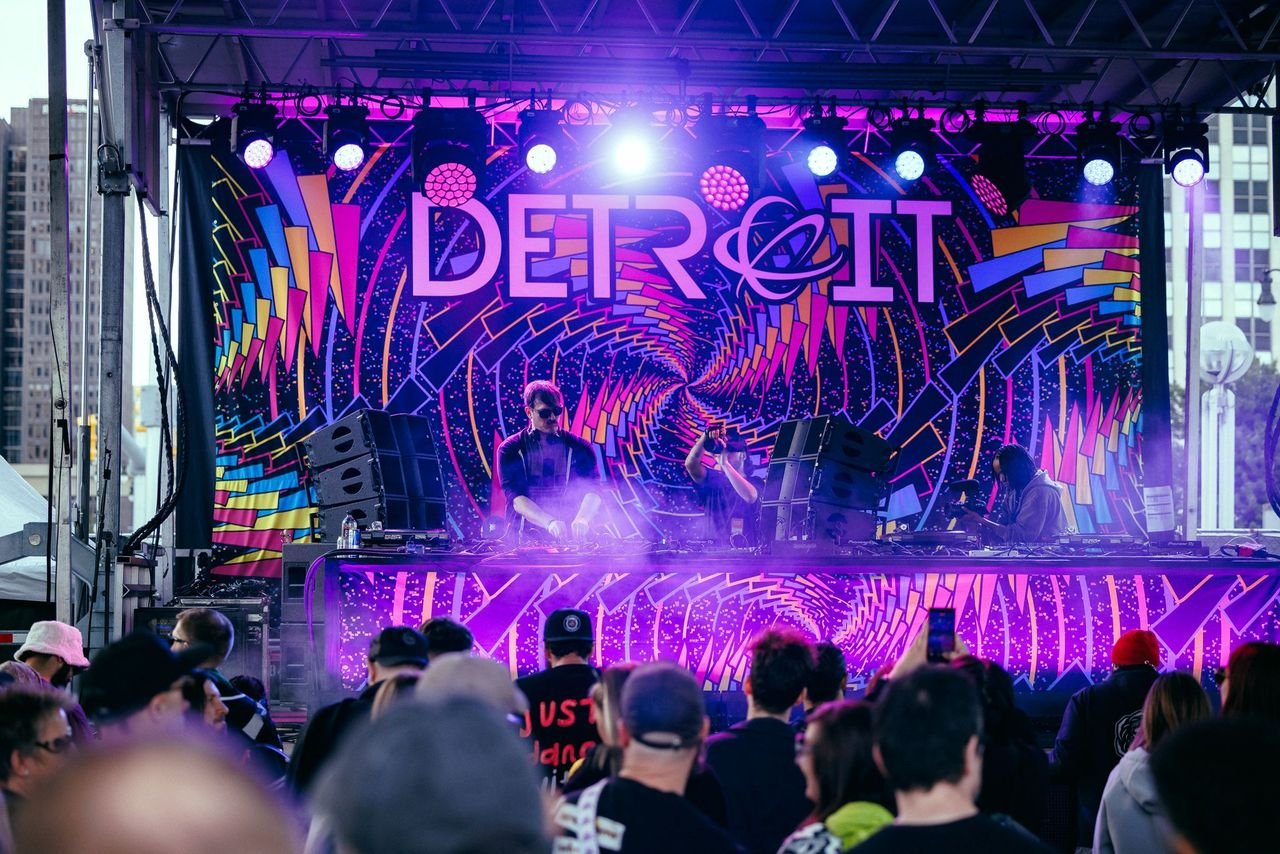
ADMN performs at Movement 2025. Photo by Sam Siegel.
Thus, in 2000, Carl Craig led the first Detroit Electronic Music Festival, a free event held in Hart Plaza over Memorial Day weekend that drew hundreds of thousands of attendees. Serving as techno’s homecoming, the line-up platformed top local talent and legitimized the city’s foothold in the scene. However, its massive grassroots success came with some logistical chaos; city permits weren’t signed until the day before opening, resulting in last-minute marketing and a scrappy setup.
This shaky start initiated several years of financial instability and administrative switch-ups. After Craig fell out with Carol Marvin, the event’s founding producer, Derrick May took over and renamed the festival Movement. However, this transition led to former sponsorship falling through and a stark loss of funding, significant enough that May resigned only two years later.
By 2005, Kevin Saunderson again restarted the festival under yet another name, Fuse-In, which marked the first year the event had an admission fee. However, despite a promising forecast, the weekend failed to make profit, and Saunderson too stepped down blaming financial difficulties and a lack of promotion. Finally, in 2006, Paxahau Promotions Group took over, re-adopting the name Movement and putting on the festival as it stands today.
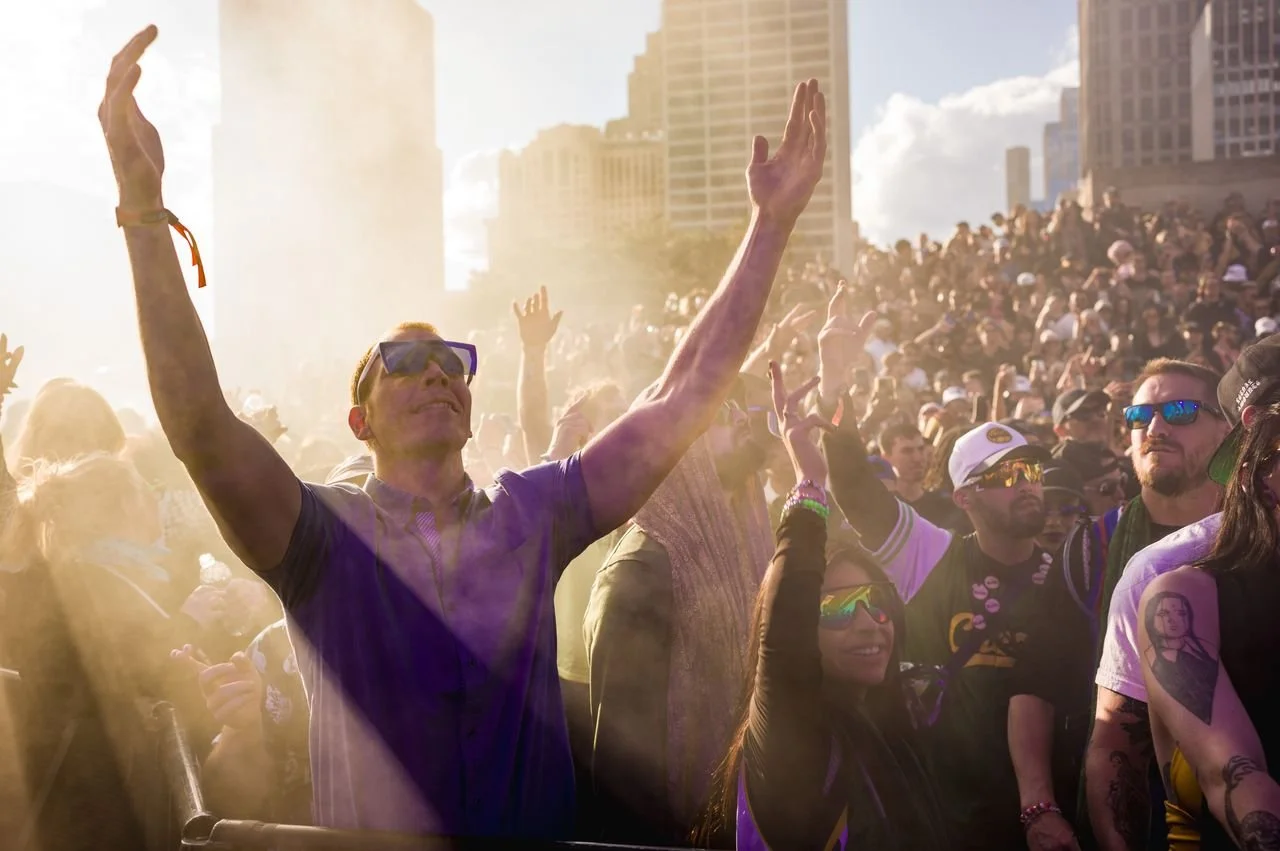
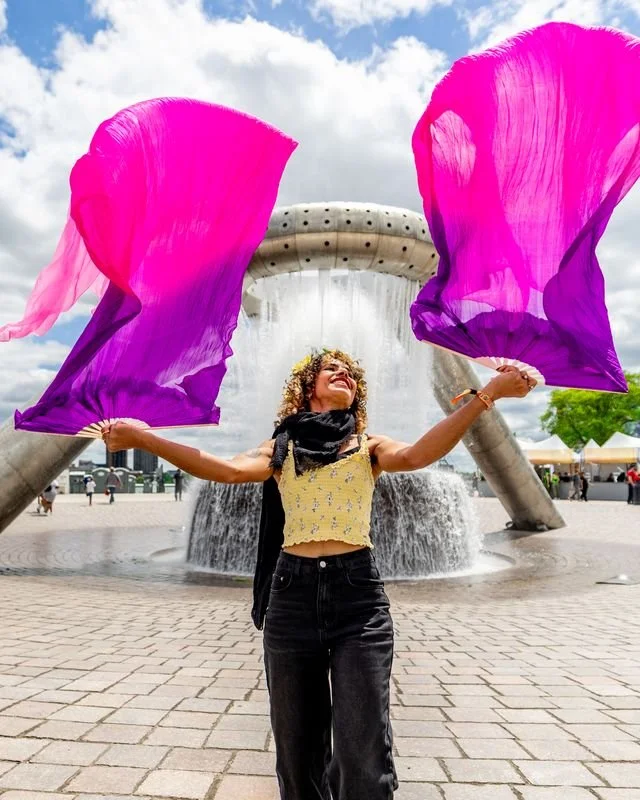
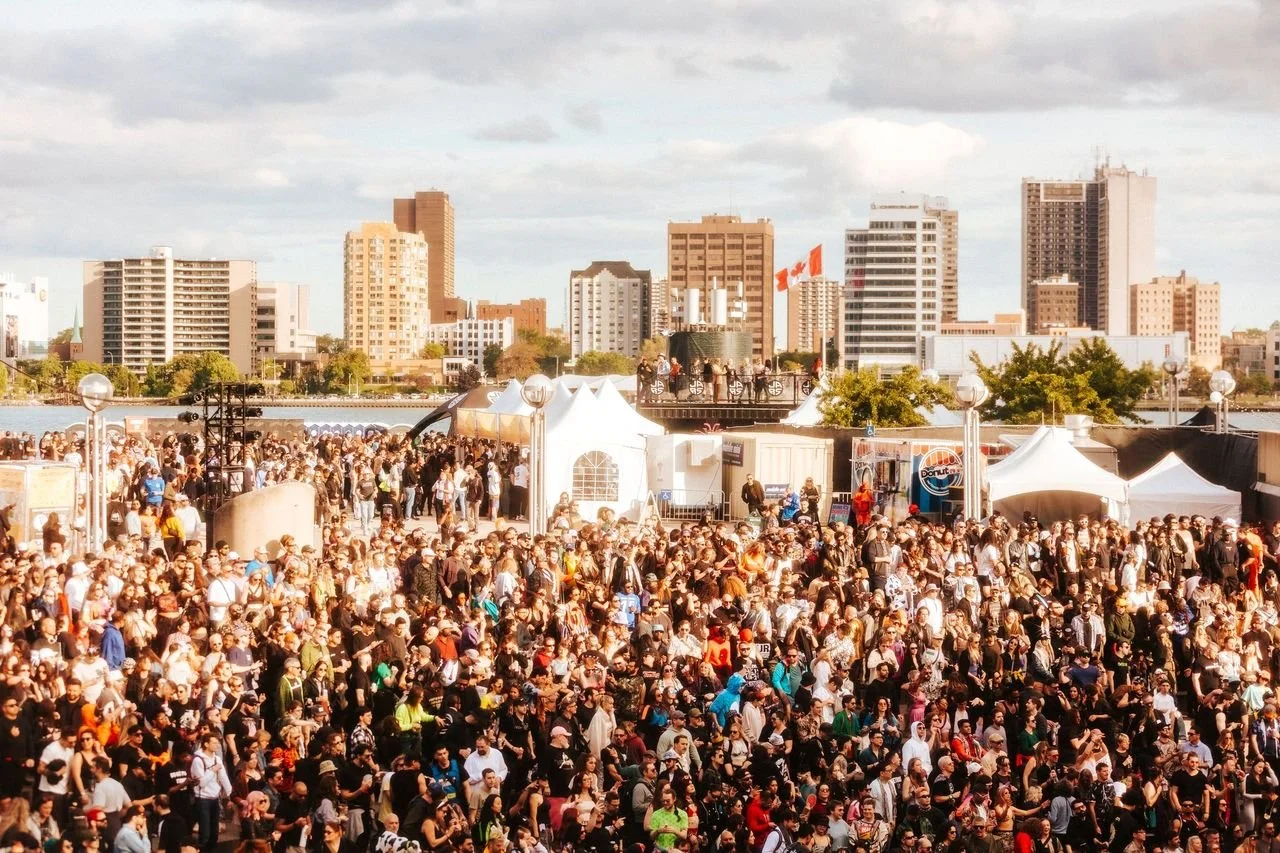

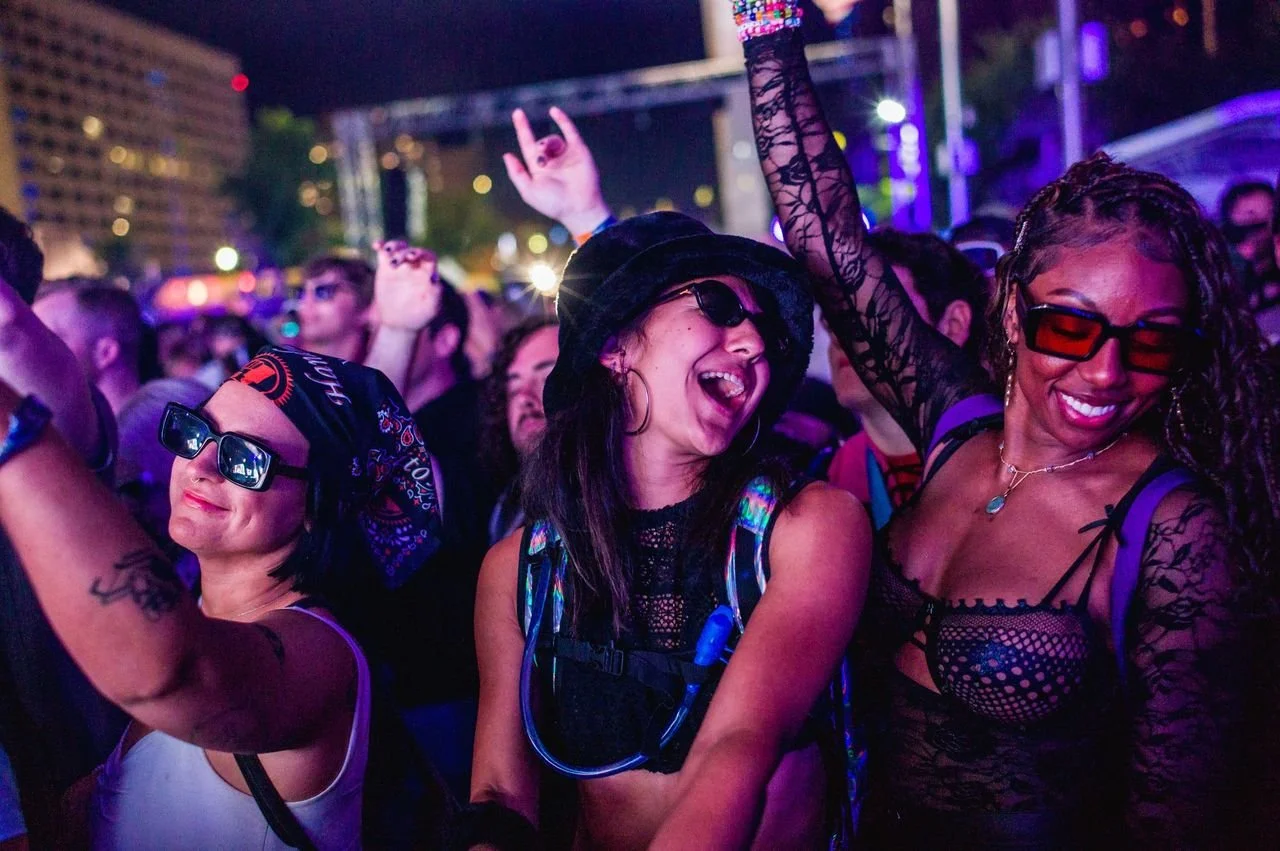

The crowds at Movement are always diverse. Photo credits in order: Doug Wojciechowski, Stephen Bondio, Steve Thrasher, Rio Watkins, Doug Wojciechowski, Xavier Cuevas.
For 25 years now, Movement has served as a gathering place for electronic music fanatics of all creeds. Maintaining the diverse audience garnered at its inception, the festival brings together all sorts of people dancing to a wide variety of electronic subgenres. While it still consistently platforms techno’s aforementioned pioneers, the line-ups also feature both established and up-and-coming DJs from all over the world.
This year's edition, held from May 23 through 25, sees legacy acts Carl Craig, Stacey “Hotwaxx” Hale, Kevin Saunderson and Detroit Techno Militia return to the decks. In addition, recent breakout DJs will demonstrate modern progressions of electronic music, from industrial hardstyle to rap-infused ghetto-tech.
On Saturday at 5 p.m., DJ Godfather takes the Waterfront Stage, followed by Miss Bashful and later Zach Fox B2B JYOTY. Later in the evening, Nastia performs at Underground, after which Dax J will play an hour long live set. On Sunday, the night will close with three big names: Carl Cox at the Movement Stage, Barry Can’t Swim at Waterfront, and The Martinez Brothers B2B Eddie Fowlkes over at Stargate.
As Monday rounds out the long weekend, the Underground Stage closes with nonstop high-energy sets from DJ Heartstring B2B XCLUB, Boys Noize B2B MCR-T and KI/KI. Meanwhile at Pyramid, Mochakk will play before DJ Minx. Without a doubt, this year’s lineup shows off electronic music’s limitless capacity for distinction and evolution.
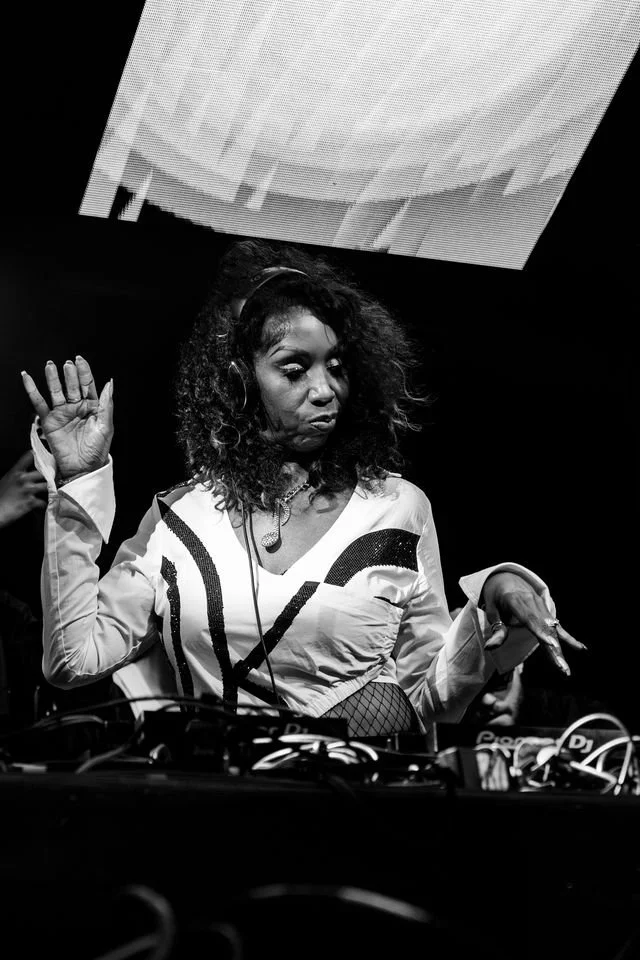
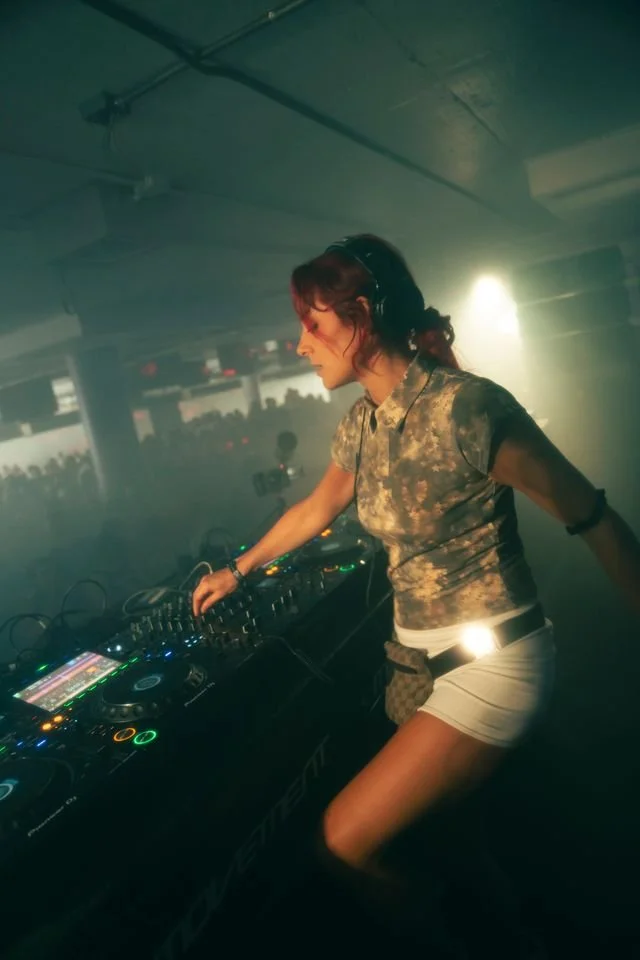
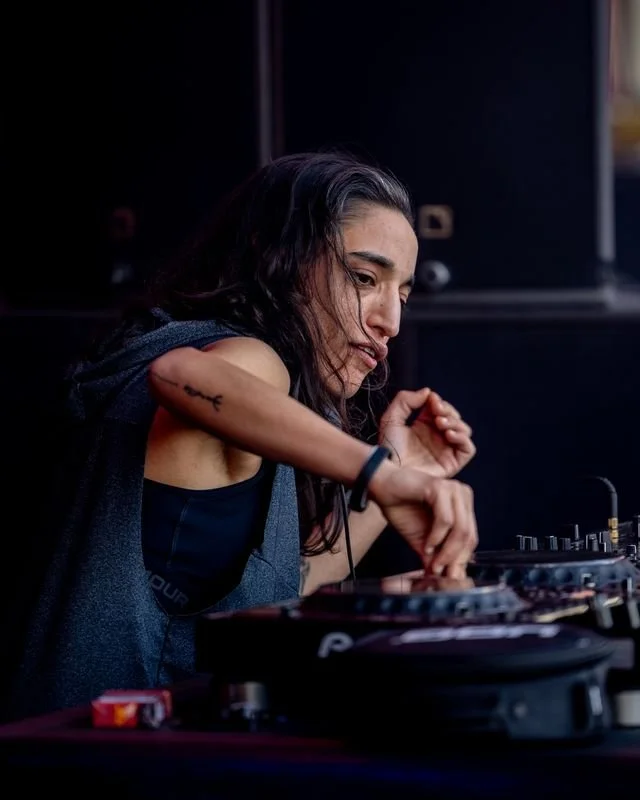
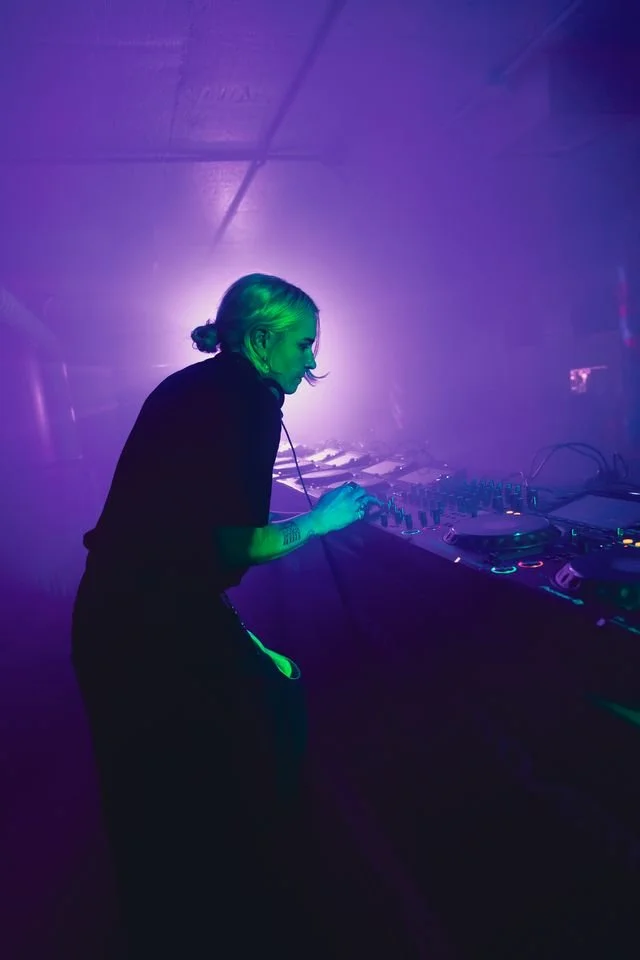

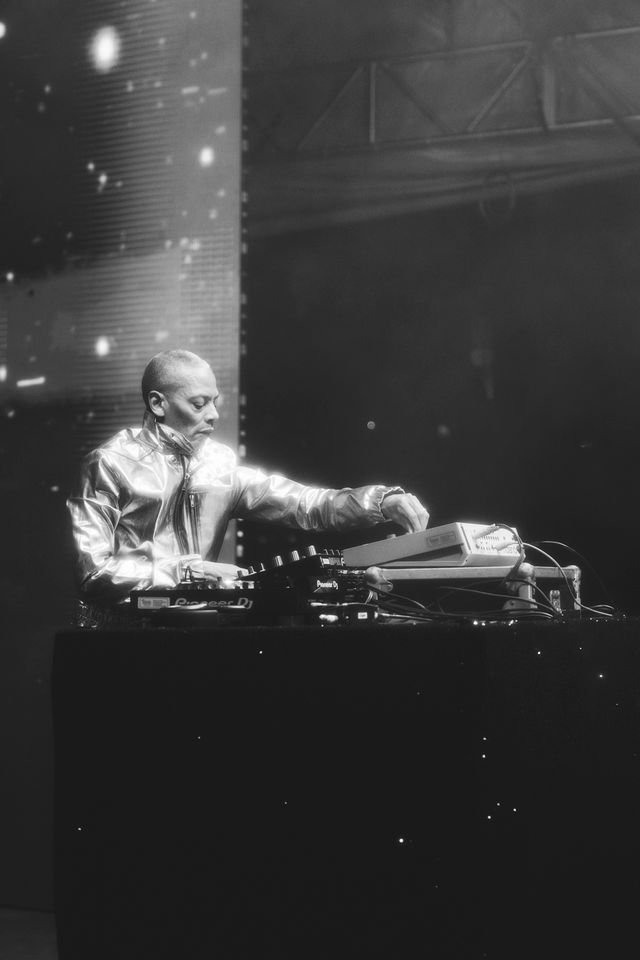
DJs hit the decks at Movement 2025. Photo credits in order: DJ Minx by Xavier Cuevas, DJ Gigola by Brenda Brooks, Sama’ Abdulhadi by Stephen Bondio, HAAi by Anthony Rassam, Zach Fox by Tatsumi Cline, Jeff Mills by Brenda Brooks.
Now, Mayor Mary Sheffield has officially proclaimed May 18-25 of this year as Detroit Techno Week, recognizing Movement for its enduring legacy of underground music and culture. Founded from the same history that birthed techno’s earliest sound, the festival celebrates the core of what this music is all about: the liberating, communal experience of dance and self-expression.
Our Unmixed writers will be covering Movement Festival 2026 on the ground all weekend. Keep an eye out for incoming reporting, including which sets we’re excited to see, interviews with DJs and more.