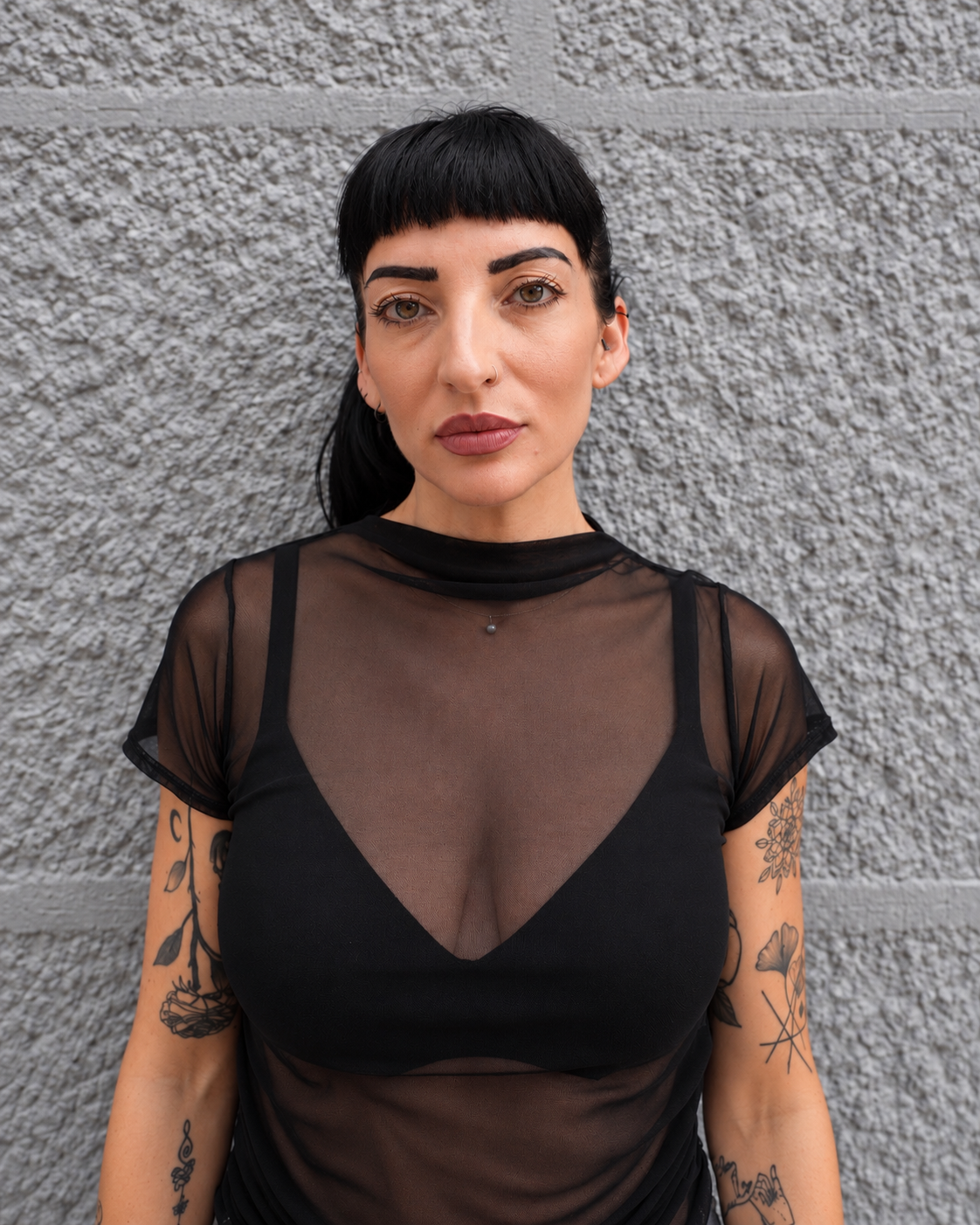
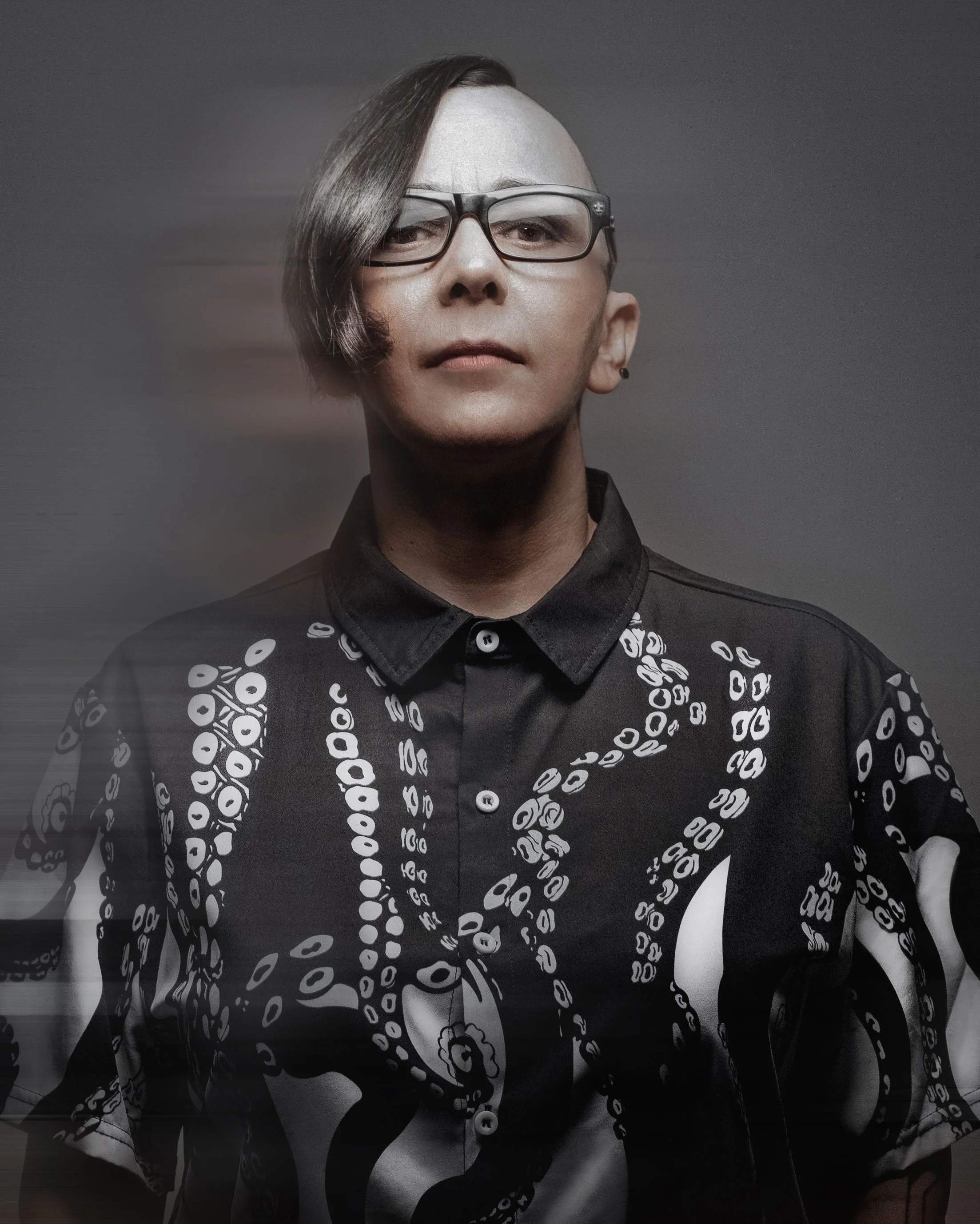
Motherhood and Artistry with Juliet Fox
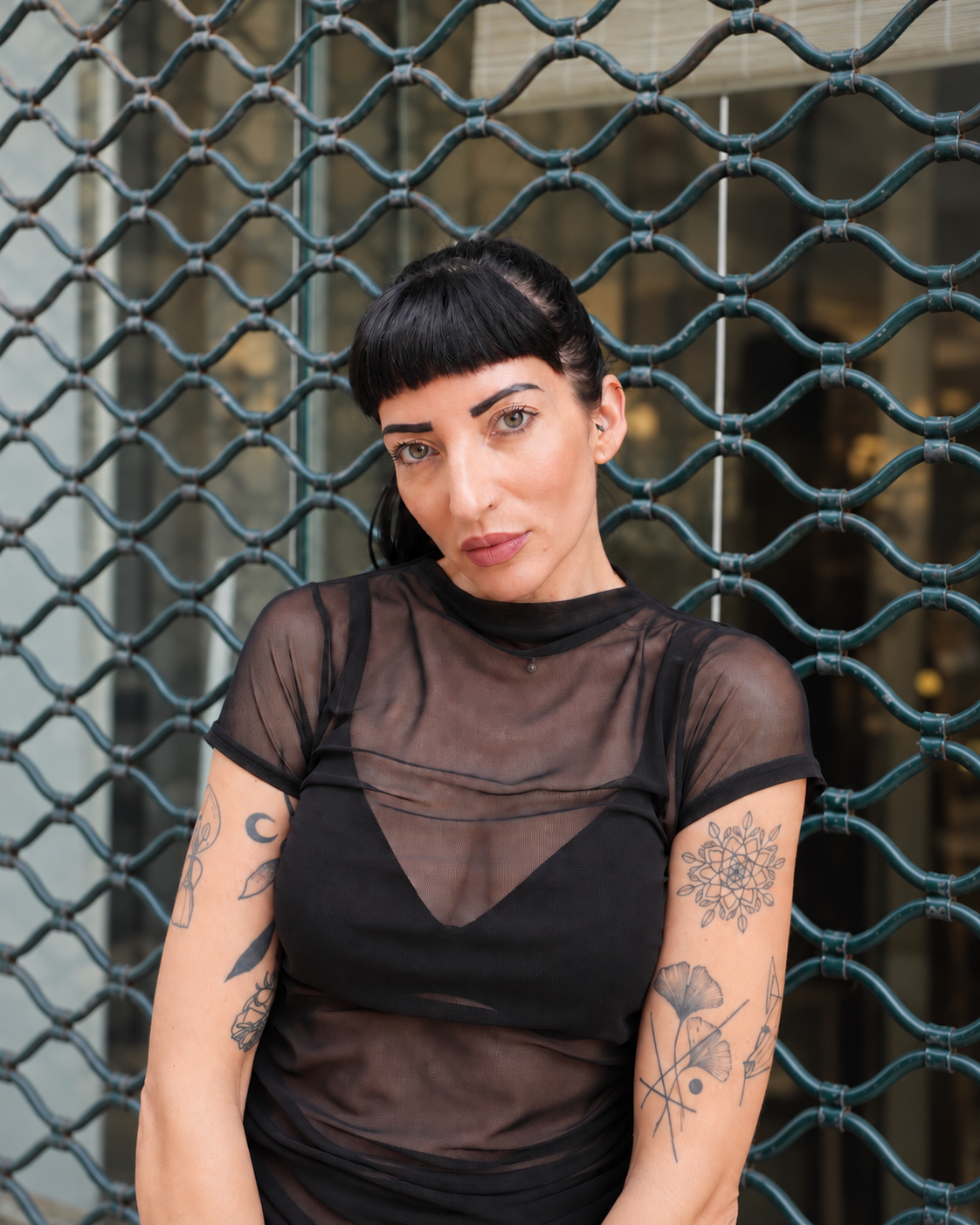
I first came across Juliet Fox as a DJ, then as a vocalist and producer, making waves as a compelling voice in the scene's warm-up era before the huge commercial explosion. It didn’t take her long to find her blueprint - the techno sound that expressed her pathos, her sonic identity, and the way she wanted to exist in the ecosystem. When I met her in person, as she was ready to shake an underground club in Athens some years ago, the idea I had in my mind fit the person. She was a bundle of positive energy - driven, ambitious, aware of her surroundings, and with a fixed idea of what she wanted to do.
In the years to come, Juliet filled all the ticking boxes. She released her music on major labels, played at the most notable clubs and festival booths, and earned recognition and celebration from her peers. Her deserving success was refreshing to watch, but I always had this innate feeling that Juliet was more than that. The Covid-19 hiatus may have shocked the industry, but it gave her a different perspective, the time to take a step back and think. She explored her musical taste, learned new production techniques, and emerged transformed.
In 2020, she launched her own label, TREGAMBE, to host her artistic vision and give space to new talent. No more label briefs, trends, and inputs, just creative freedom and a voice that was growing louder. Her achievements didn’t stop; they evolved, as she did personally and professionally. Juliet became a mom last year, adding another layer of perspective and understanding to her life. Some say that creating art is similar to giving birth. But neither miraculously ceases after the process. The real labor starts afterward, maintaining and nourishing your creation.
Juliet recently launched her Technopatra project, a six-part release series blending music, visual identity, and storytelling. She has also launched "The Mother Frequency" podcast, which explores motherhood in the scene. An unstoppable force, Juliet Fox seems to have found her core. Having achieved that, the possibilities are endless.
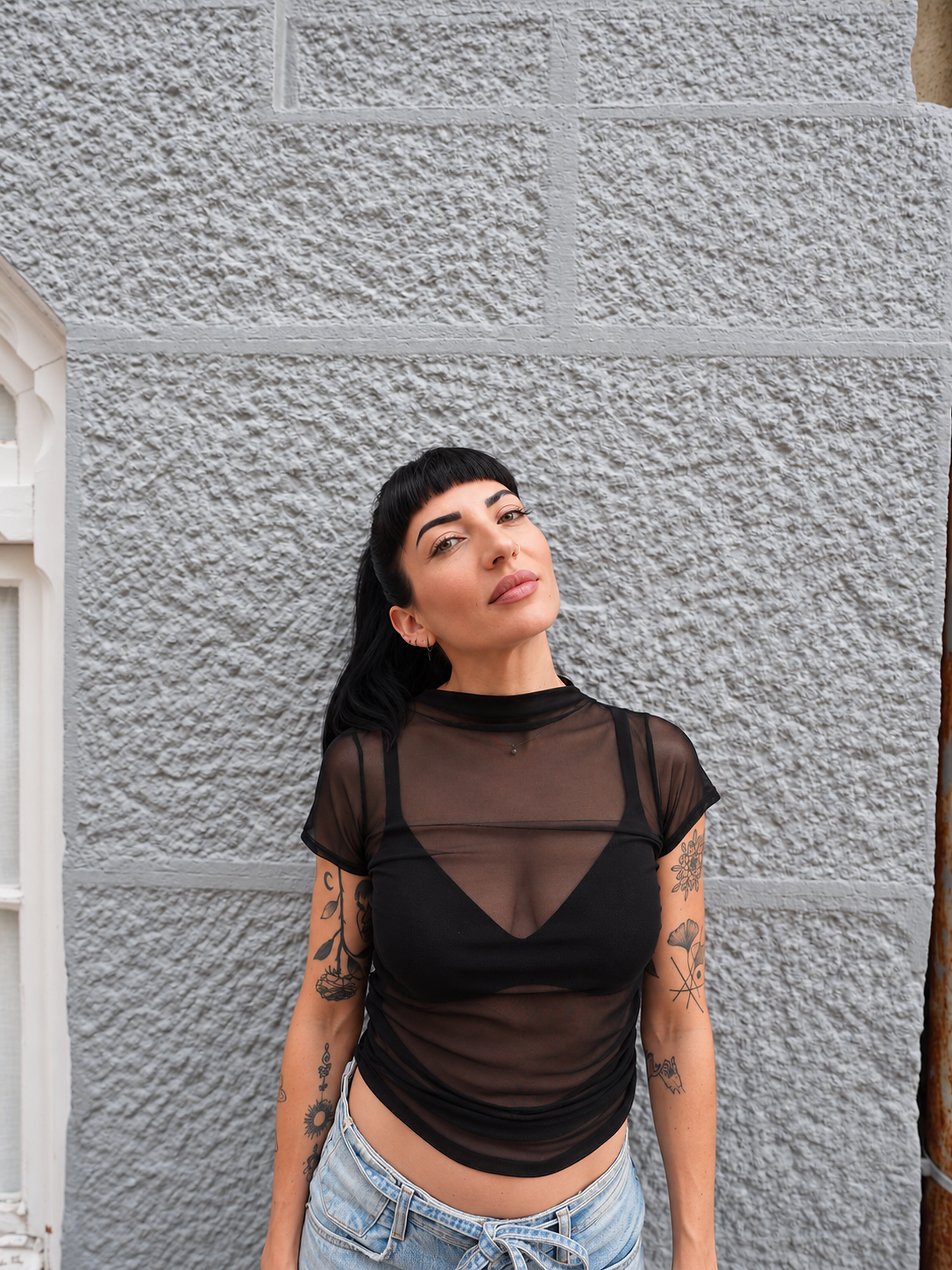
The last time we met was in Athens, almost 10 years ago, when you came to play. I remember we had an interesting conversation about the industry and your vision for it. Some years in, having experienced a global pandemic and major changes in the field, how have you evolved, both artistically and personally?
As an artist, we're forever evolving to stay relevant and interesting to other people. I know I've developed quite a lot, especially after Covid, with a new branding and a sound that's changed too. I'm happy with the direction I'm constantly moving in. Each year has brought personal achievements in how I make music, how I perform, and in myself personally. I strive to always be better and healthier, on and off the road.
You've grown from being recognized primarily as a DJ into someone shaping an entire artistic ecosystem through productions, events, and a label. Looking back, which version of Juliet Fox do you think you've had to leave behind to become who you are today?
The Juliet back then was deep in the underground music scene, where I felt there was absolutely no limit to music or style. I was excited to travel the world and play everywhere. But I've had to build structure and create a brand that stands out not just visually, but in how I present myself overall.
Launching your own label, TREGAMBE, means taking control of your artistry at a time when the music industry is becoming increasingly consolidated. What was the biggest motivation behind starting it? Was it creative freedom, community-building, or perhaps a reaction to the industry's current dynamics?
I created my label straight out of Covid to build a platform where I could showcase my own sound and artistic side, pairing paintings with the artwork and pushing a lot of the music I'd made during lockdown. It was a mix of creative freedom and, a year on, building a community of like-minded artists and up-and-comers, giving them a platform to release their music.
As both a label owner and an artist, you now experience music from two very different perspectives. Has running TREGAMBE changed the way you evaluate your own productions? Are you more self-critical today than you were a few years ago?
I've always been self-critical when it comes to production, but running the label made me see how important it is to present music correctly and market it well. Building this brand has shown me I can rely more on how the music itself is made. Sometimes when you release on bigger labels, you assume you'll automatically get the numbers, but it's really about the tracks, about who you are as an artist and connecting with your audience.
With Technopatra, you're building more than a music series: you're creating a narrative and a visual universe. Do you see storytelling becoming as important as the music itself for electronic artists today, or do you worry that aesthetics may sometimes overshadow the sound?
Storytelling matters. Fans want to get to know you better and connect with the artist behind the music. Being raw and authentic really helps, and that was the purpose behind Technopatra, which is a series of tracks told not just through sound but visually too.
Technopatra borrows imagery from one of history's most iconic female rulers. Why Cleopatra? Is Technopatra about reclaiming feminine power in techno, or is it also a commentary on how women in electronic music are still expected to perform power in a particular way?
Cleopatra represents a kind of power that wasn't just one dimension. She was intelligent, strategic, and unapologetically ambitious, something I felt connected to, and often people said I looked like her. So I wanted to channel that energy through a modern techno lens and created Technopatra.
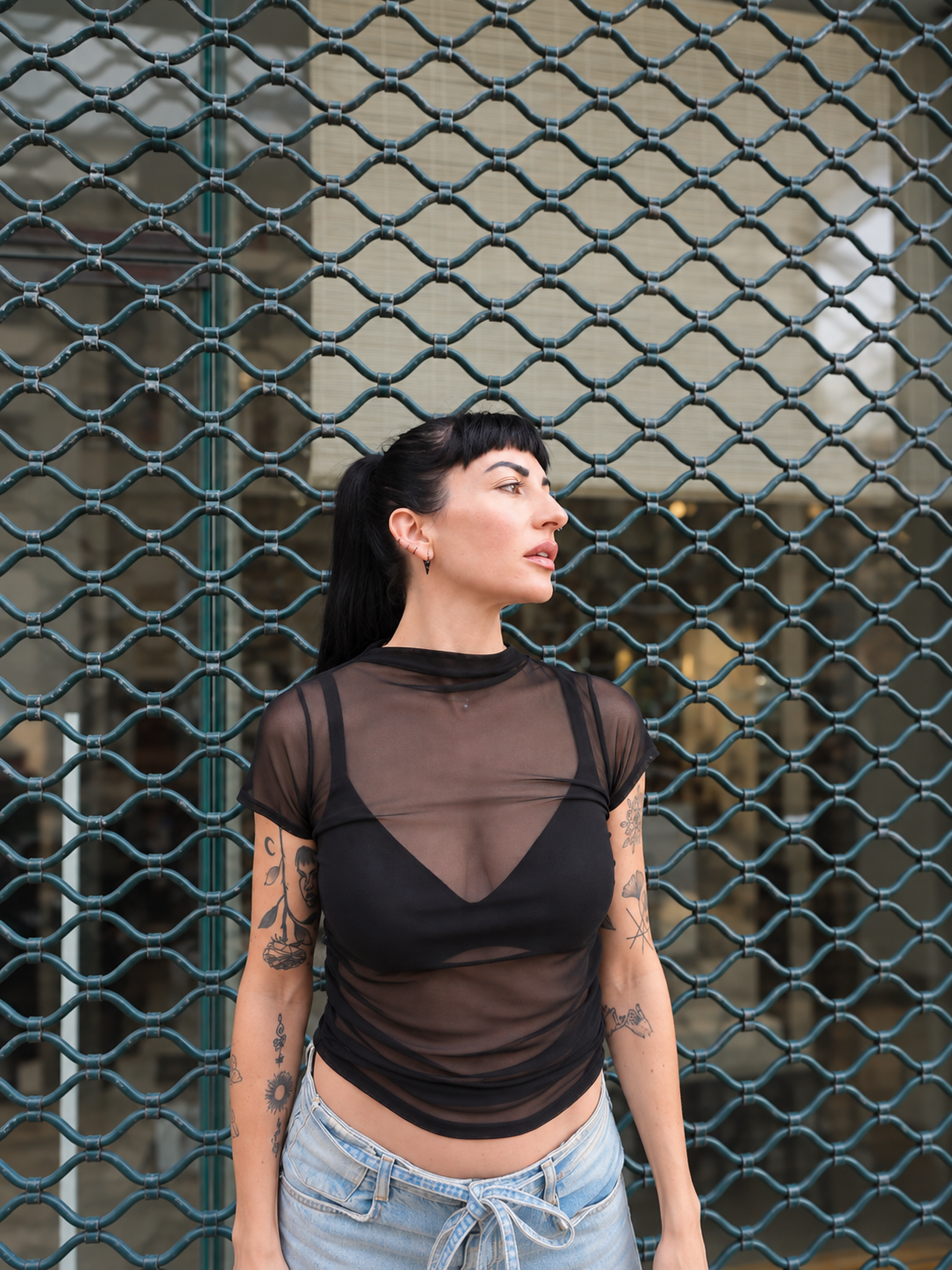
It's definitely about feminine power, but not as a response to the industry. It's about embracing the idea that strength doesn't have one definition. Becoming a mother completely changed my perspective on that. Technopatra is about owning every part of who you are and defining success on your own terms.
There's still an unspoken expectation that women have to prove they can "do it all": tour internationally, produce music, run businesses, and raise children without showing the cracks. Have you ever felt pressure to project that image, and do you think the industry leaves enough room for vulnerability?
It's not necessarily about being a woman; most people feel pressure to present themselves a certain way on social media. Artists rarely show real vulnerability, and only a select few do. I try to balance my life on the road with my personal life, but there's still pressure to project a "you can do it all" image. When it comes to having a child, people don't really want to hear about the ups and downs of motherhood; they want to hear your music and see you in a certain light that lifts them or makes them really connect to it.
What was the idea behind "The Mother Frequency" podcast? What are you exploring, and what do you want to express through it?
The podcast is a platform for other women in the industry to speak openly about their experiences. It’s a space for mothers, for people who want to become mothers, and for anyone who wants to hear these stories. It's separate from my own platform, and I felt it deserved its own space and time.
Electronic music has long celebrated the idea of freedom. Becoming a mother inevitably changes that equation. Has motherhood forced you to redefine what success looks like in this industry?
Motherhood has completely redefined success for me. Before, it was about chasing the next milestone or saying yes to every opportunity. Now, success means building a career that lets me be fully present as both an artist and a mother. Ironically, having less time has made me more intentional, more creative, and more focused.
Electronic music is really about feeling completely free on the dancefloor, not thinking past that euphoric moment. I hope that by continuing to tour, release music, and be open about this chapter of my life, I can help normalize the idea that motherhood doesn't diminish an artist. When I perform, I want to bring that same sense of freedom still.
The scene is having an ongoing conversation about representation, diversity, safety, and inclusion. From your perspective, where have you seen genuine progress, and where do you think we're still mistaking visibility or optics for real structural change?
Like every industry, this is an ongoing conversation, and I think we've made real progress. We're seeing more women across line-ups, more women starting their own labels and collectives, and a much stronger focus on representation than there was a decade ago.
But visibility alone isn't the finish line. Real change happens when opportunities, trust, and support are consistent. It's about creating an environment where people can build long, sustainable careers and genuinely feel like they belong, and have that support around them.
Imagine your son discovers your music twenty years from now, without knowing anything about clubs or techno culture. Beyond the records, the tours, and the achievements, what would you hope he understands about you and why you chose this life?
I'd love for him to listen to the tracks I've made and understand the story I was telling, along with my progression as an artist. My music is my legacy. It represents different chapters of my life, and one of those chapters includes him, where I even used his heartbeat and made a track for him.
More than anything, I hope he's proud that I had the courage to follow my dream and build a life doing what I love. If he learns anything from my journey, I hope it's to follow what truly moves him. Whether that's music or something completely different, I want him to live with passion and purpose, follow his heart, and follow the rhythm life brings.