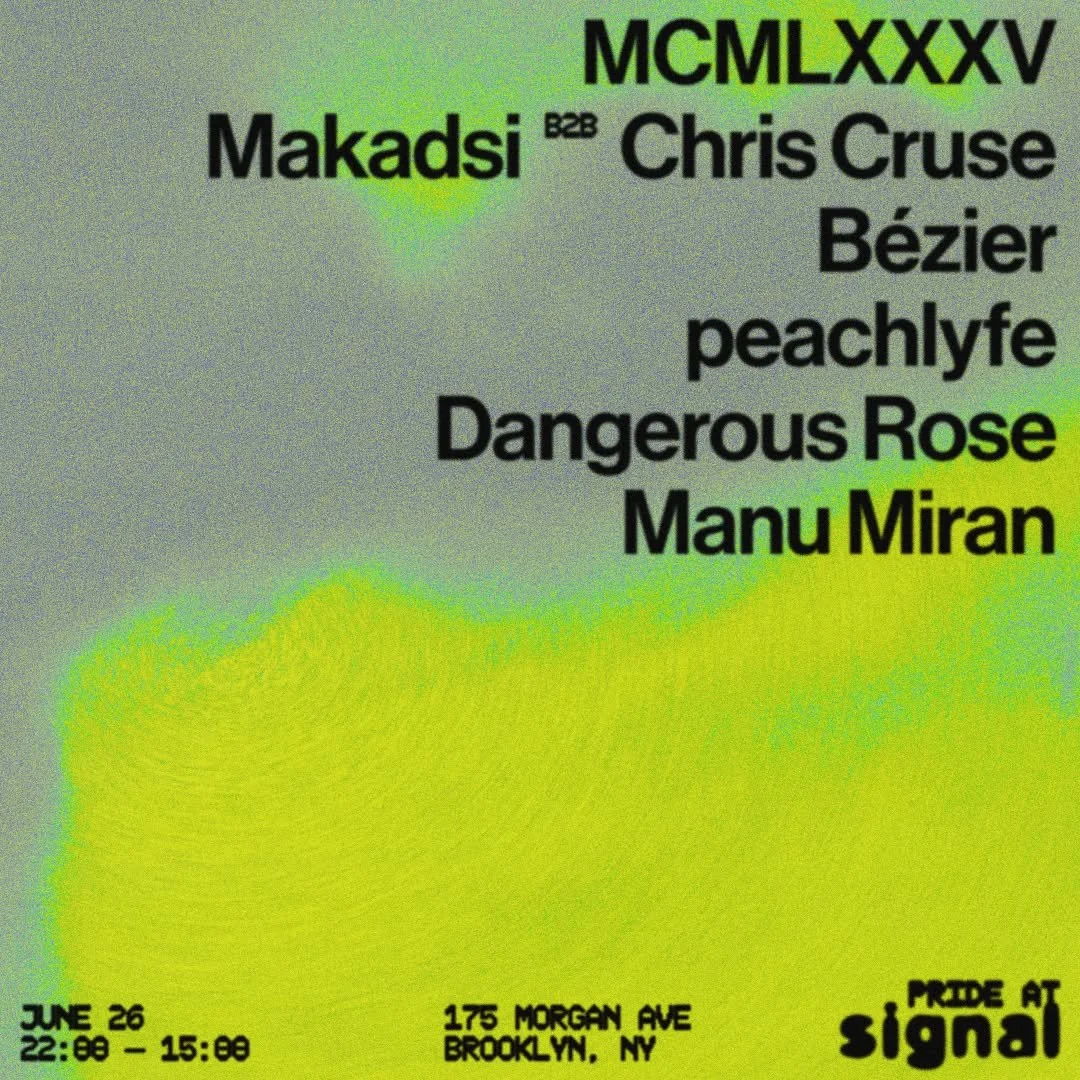
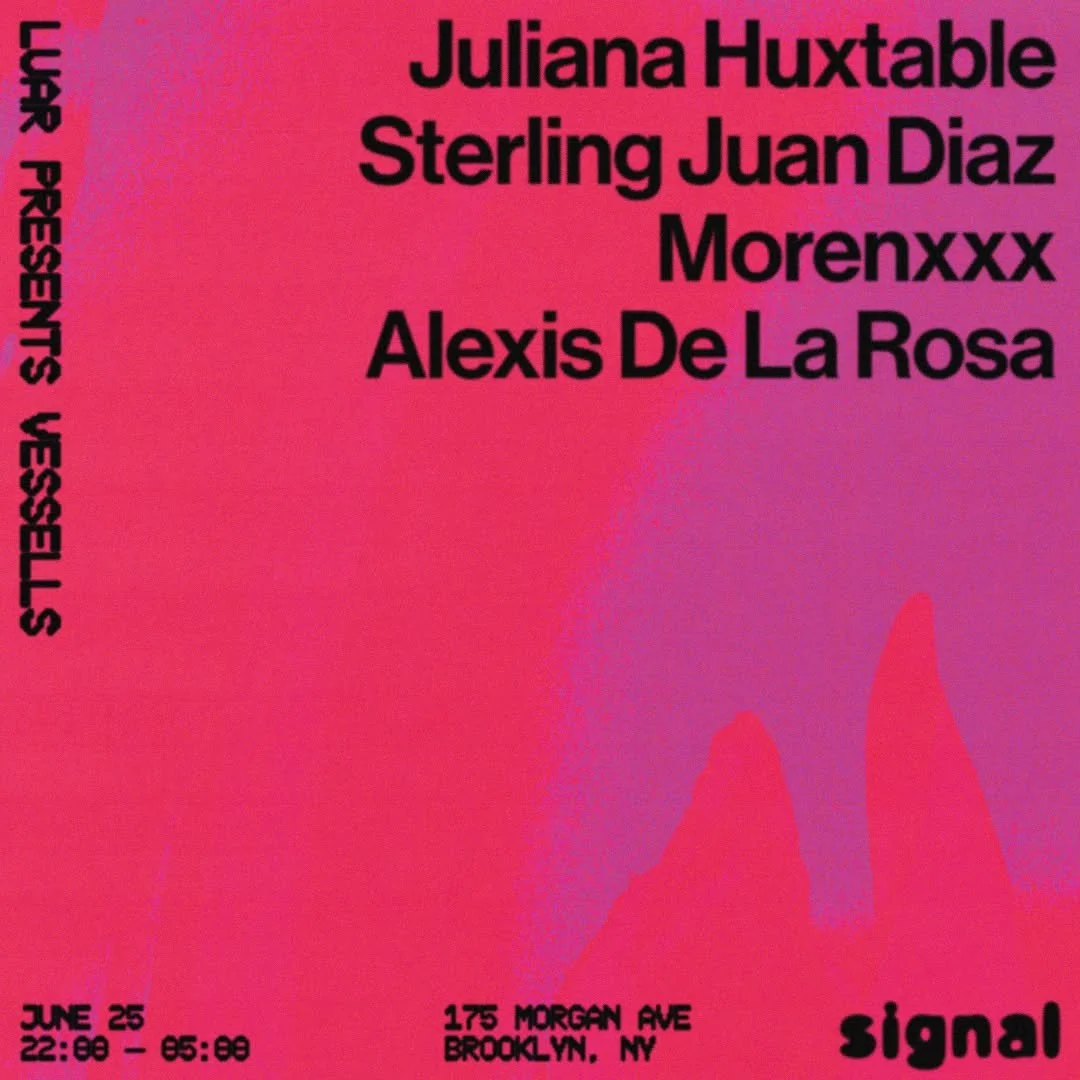
Curating PRIDE Nights in NYC: Steven Klavier on Culture & Community
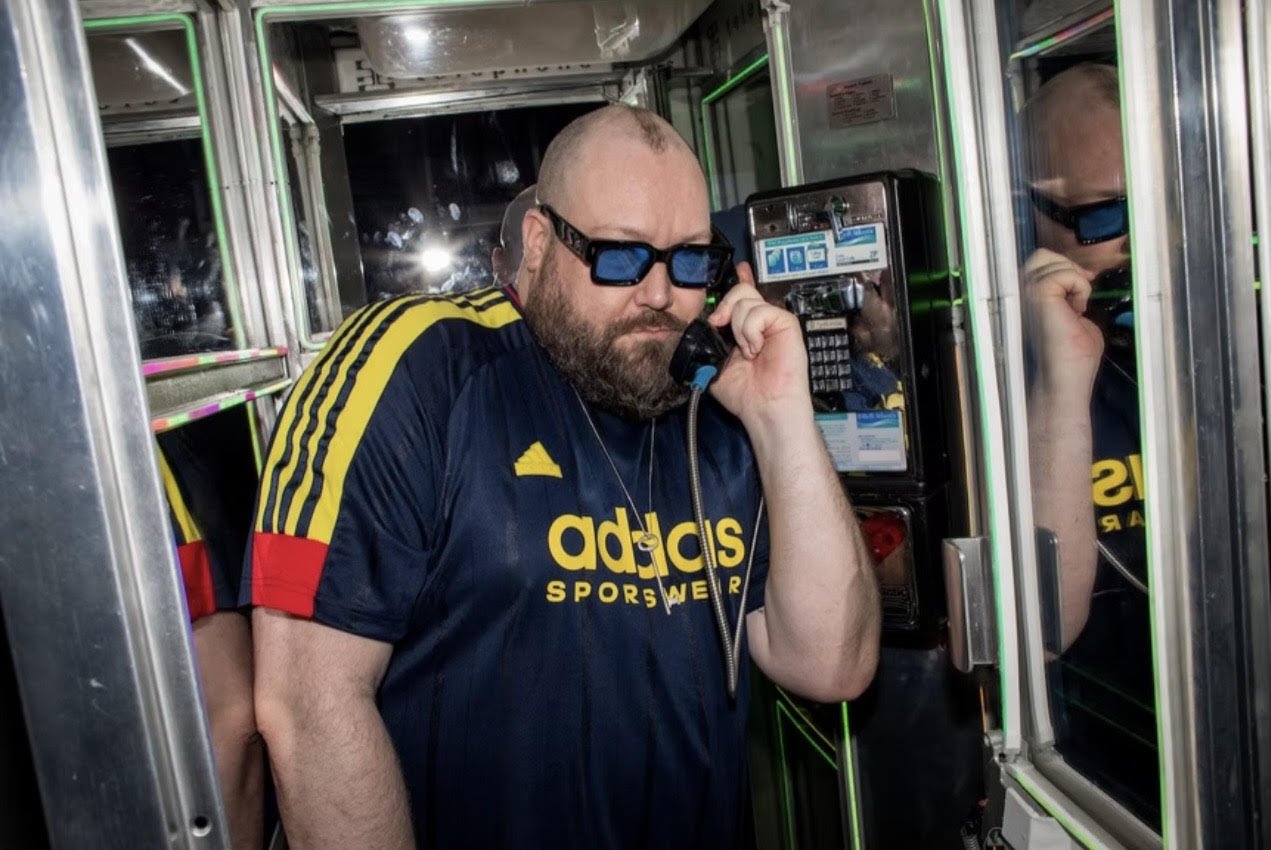
Steven Klavier on Instagram, + more
For more than fifteen years, Steven Klavier, also known as Soul Daddy, has helped shape the sound and culture of New York City's nightlife scene. Active since the late 2000s, he began his career as a promoter, hosting parties at Downtown Manhattan venues including Le Bain, The Griffin, Gallery Bar, and Hotel Chantelle. Since then, he has worked with some of the city's most influential nightlife institutions, including House of Yes, Brooklyn Mirage, and Public Records, and currently contributes to the programming of Paragon and Signal.
A booker, curator, vocalist, and songwriter, Klavier brings a rare dual perspective as both an industry insider and a working artist. His experience across multiple sides of nightlife has recently led him to launch a coaching practice, helping artists, promoters, and nightlife professionals navigate the industry's often unwritten rules. Throughout his career, he has focused on connecting artists with audiences while helping define what nightlife culture means at its core.
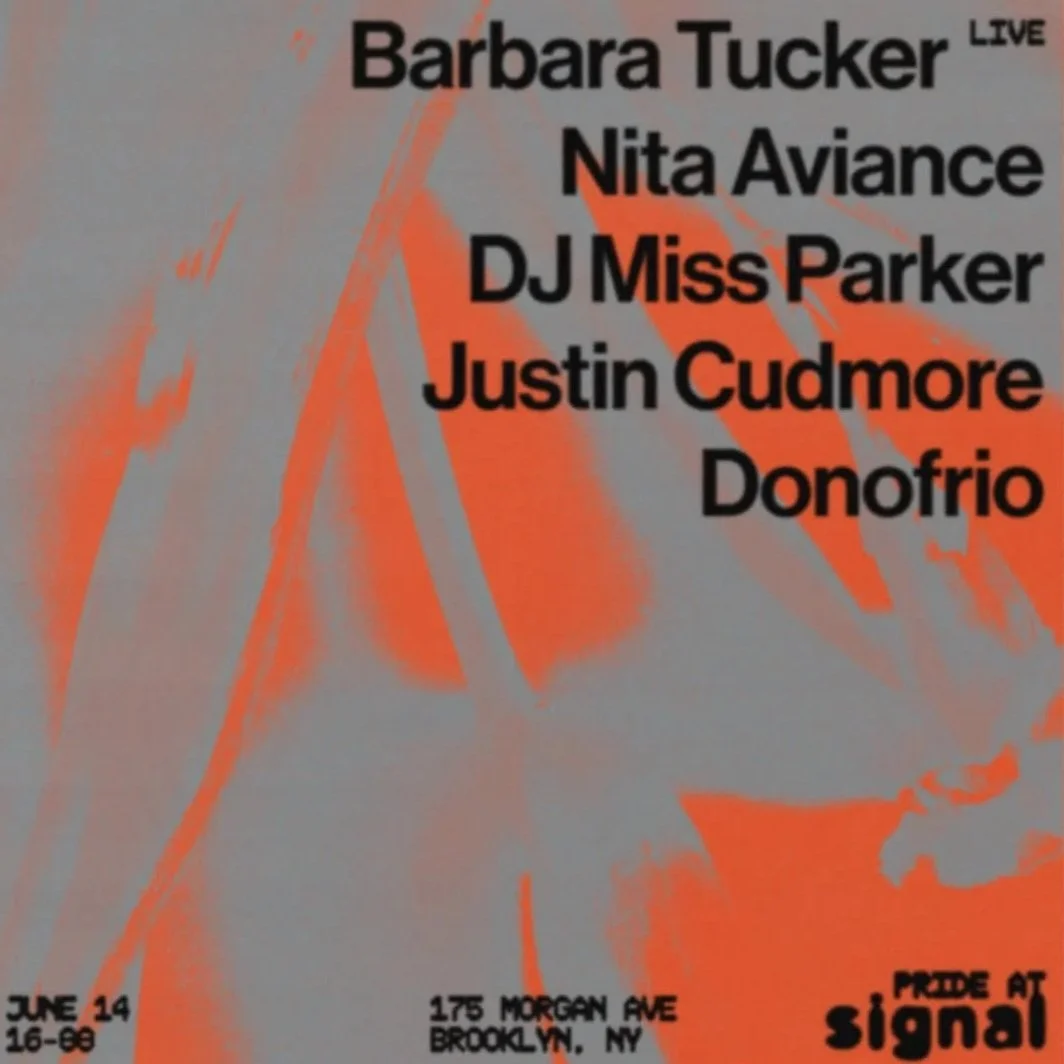
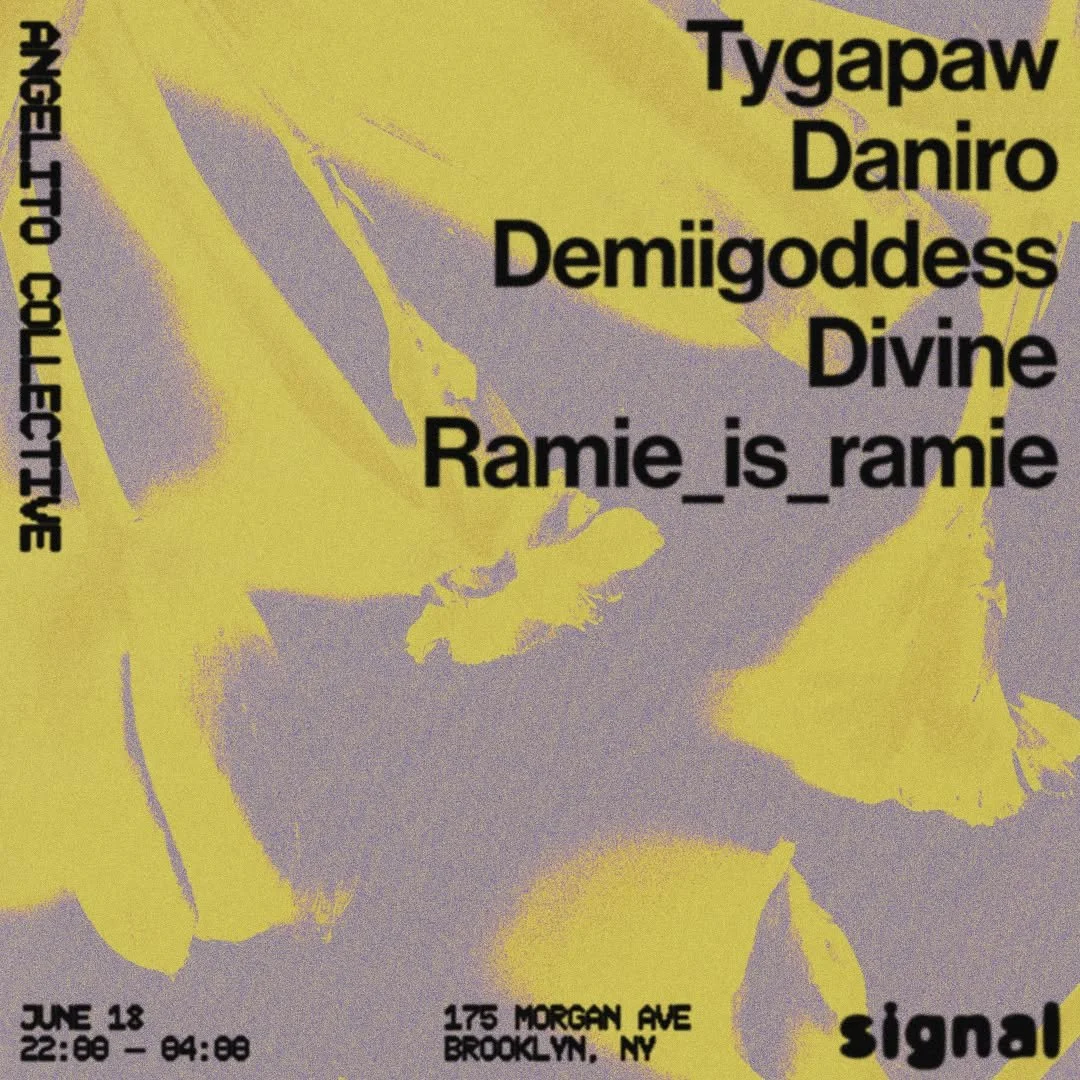
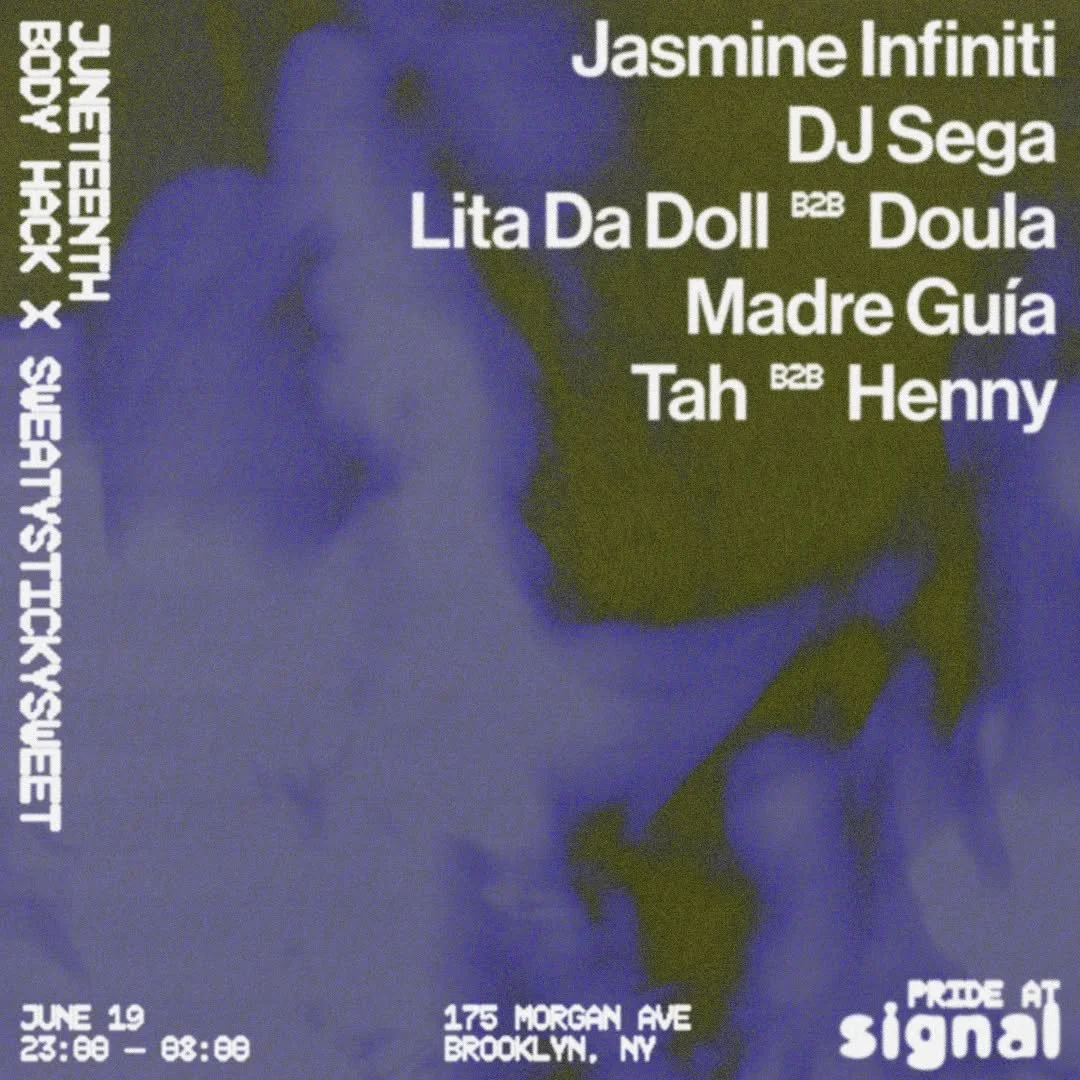
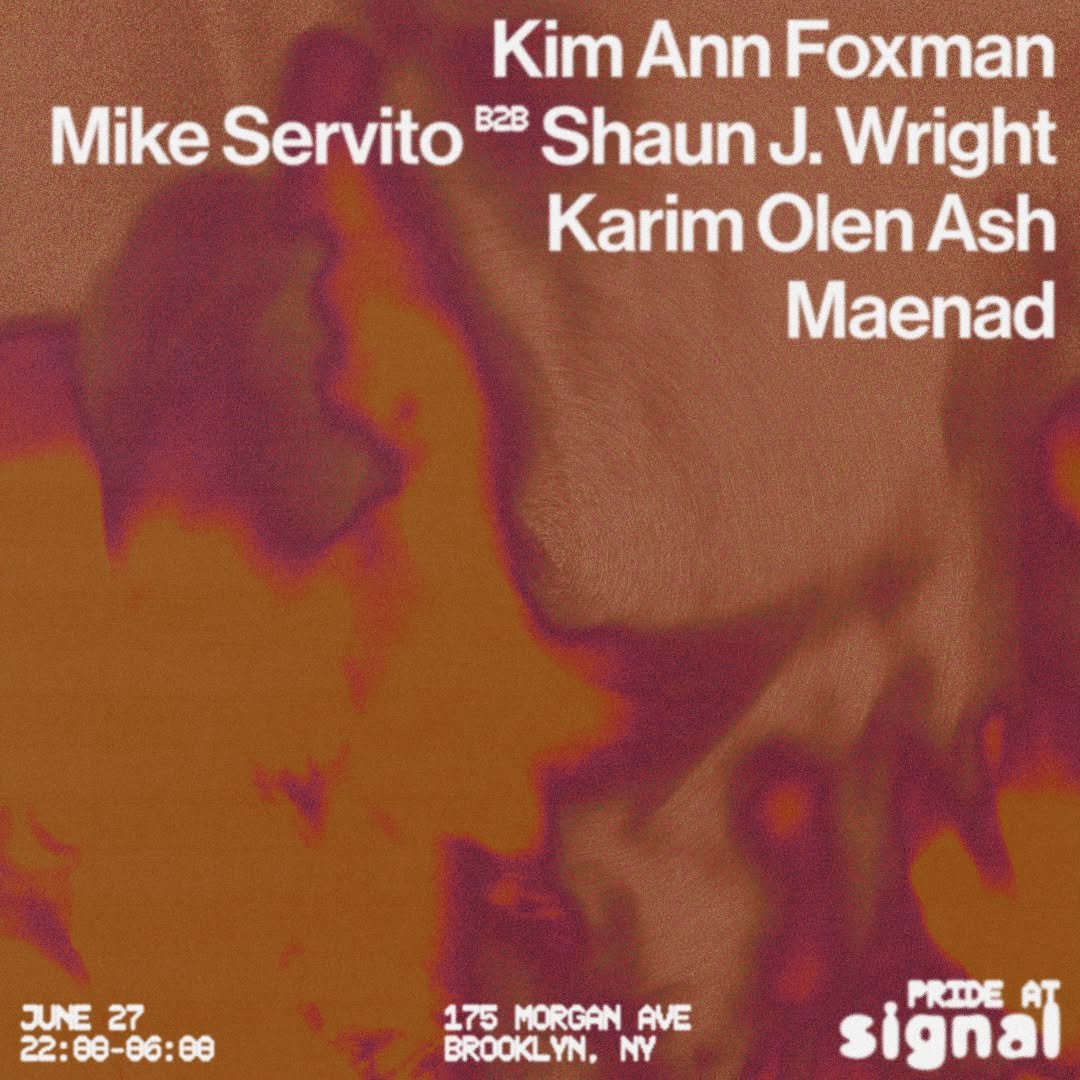
For this year's PRIDE Month, following our coverage of Signal’s first anniversary weekend, we spoke with Steven about curating lineups, the role of queer communities in nightlife, and why supporting these communities requires year-round commitment rather than seasonal recognition.
When curating nights for PRIDE month, what are the most important parts you focus on and how do you decide who goes on which lineup?
There are so many sub-genres of dance music and some play better together than others. The music really dictates the specific crowd for that night, so you want to pull together artists that have not only sonic cohesion but crowd cohesion. It all needs to come together to tell a story and make sense.
Your work has resonated with NYC crowds for over a decade and counting. What advice would you give a younger person just starting out who wants to know how bookings work in this industry?
The fastest way to learn is to throw yourself into it. I learned so much from working admin roles and intern positions to bookers and artists in my early years. If you are having trouble finding or landing a gig like that, offer to help a DIY promoter with their party. Most importantly, you have to entrench yourself in the scene and make real, genuine connections with people.
What does underground mean to you?
Freedom!
Freedom from oppression, regulations, laws, and governments. True underground parties come with a permission slip for self-expression that you don't have access to at a standard club.
What place does the alphabet community hold in today's nightlife scene?
Queer culture is foundational to nightlife and always has been, you don't have one without the other. If your club or party is completely lacking Queer POC representation, it falls flat on the fundamentals of the culture. You will feel that in the crowd as soon as you walk in the door. Queer artists and communities are the leaders in the culture. They are always innovating and pushing the needle forward with music and art that everyone always copies.
Regarding Safe Spaces and freedom of expression, what crucial aspects are sometimes forgotten?
The surveillance state has widely been the main catalyst in the dismantling of the fantasy that nightlife created many years ago. You can't really let your hair down when you know there are 500 camera phones in the room on a hair trigger waiting to capture your most vulnerable moments. I think people have forgotten basic love and respect for the people around them. It takes a village and it all starts with how you treat yourself and others around you. It should go without saying, but don't touch people or take photos without enthusiastic consent. I'm all for clubs banning and putting stickers on phones, but we should all have enough reverence for the space and other humans to not have to do that. Hiring hosts to bring in Queer POC and femme individuals to the party, you need support to make the pond feel safe. This is extremely effective and a bit of a lost art form. Queer promoters do this regularly, but it seems not as common practice in other spaces.
You recently launched a nightlife coaching program. What does that entail and what inspired you to do it?
The coaching is 1:1 for anyone in nightlife looking to level up. Navigating the club landscape can be really difficult, it's full of
unwritten rules and etiquette.
I have so much knowledge and experience that I have gained through years of my own trial and error. I wanted to transmute some of my own trauma and mistakes by helping others forge their path.
As an artist yourself, how do you balance your personal career with actively caring for and helping others grow?
I'm always looking to expand my connections through community as a vocalist and songwriter as well as a booker. I know how it can be bettered from both sides of the experience. Artists helping artists historically has grown inspiration in waves more than corporate tightening or institutional restructuring. I think we can use our creative intuitions to make more money in more ways than previously existed.
Many of the spaces that shaped dance music culture were built by queer communities. How do you think venues and promoters can honor that history in a meaningful way rather than treating Pride as a seasonal marketing moment?
Book queer programming and artists on a weekly basis all year long. Allow queer promoters to use the space. Work with queer collectives, offer them budgets, and allow them to collaborate on lineups. Hire queer staff.
What makes a lineup genuinely inclusive beyond simply checking demographic boxes?
To be genuinely inclusive it must be thoughtful. To put together a lineup intentionally, you need to truly understand who the artists are that you are booking, the space they hold in the scene, and who they represent. Beyond their identity, beyond their sound, you have to ask yourself what is the frequency and the energy they are bringing to the party and how could all of these energies play off each other. It's a lot of visualization and intuitive work to feel into how lineups can play out.
Looking ahead, what would you like to see more of in queer nightlife, and what do you think the community should be protecting most fiercely?
I'd like to see more cooperation and support between queer promoters, collectives, and artists. We should be protecting each other, full stop. Governments are trying to strip us of our rights and we are busy getting into petty fights about parties.