
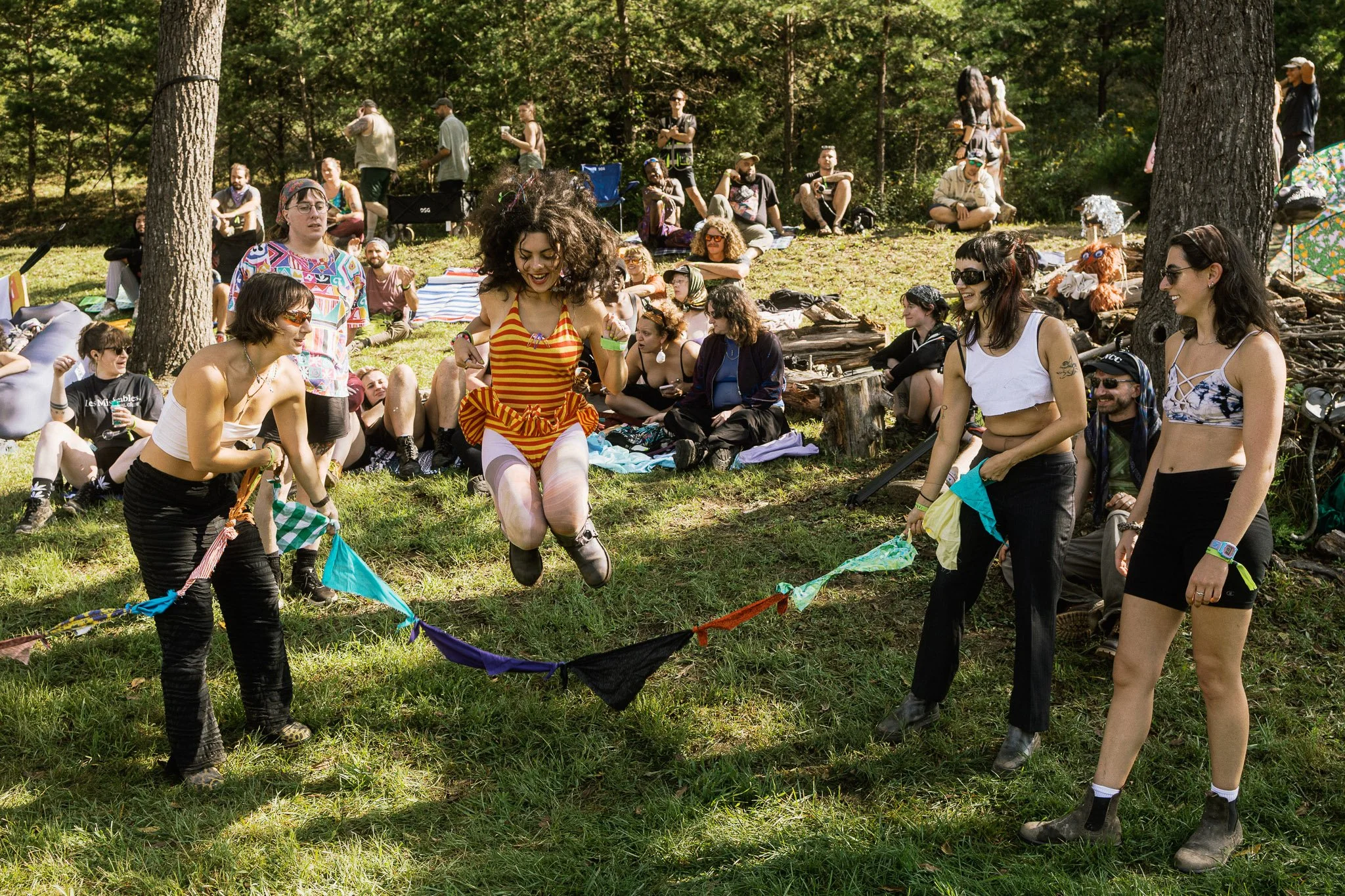
‘Cosmic Sunrise’ by Kyle Meyers. ZAP Outdoorz, 2026.
Festivals have long offered the possibility of world-building: spaces carved out of everyday life where presence and play can coexist beyond the outside world's usual urgency. This is the ethos at the heart of ZAP Outdoorz. Tucked into the woods of West Virginia, ZAP is a punk and electronic campout where the underground music communities of DC and Baltimore come together to build something of their own. It’s a fusion of the strange and familiar, bridging different sonic worlds at the tail end of summer.
By Sam Goopcat
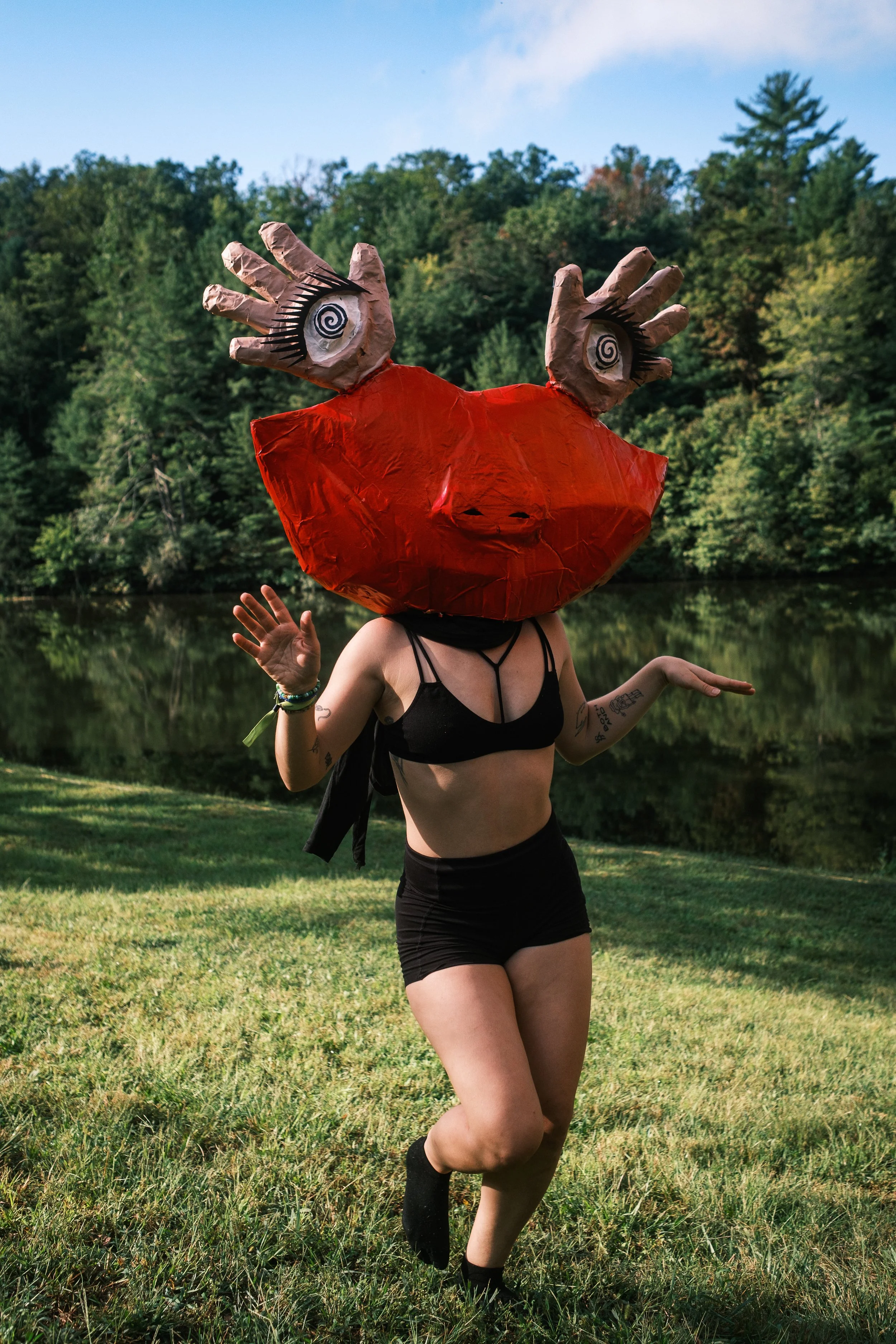
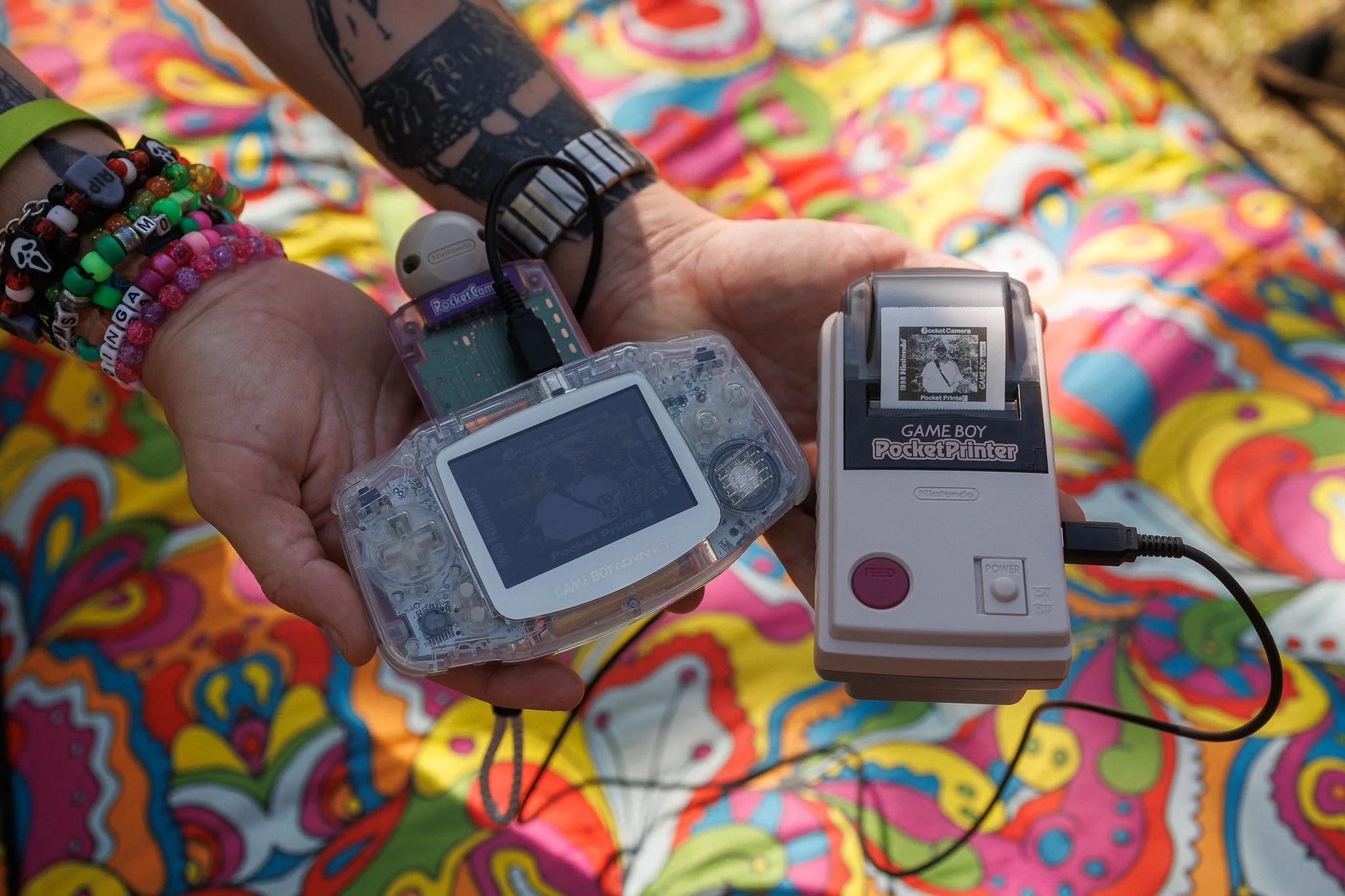
This year marked the festival’s fourth edition, though its stomping grounds have remained rooted in the forest at Camp Tall Timbers. While the location traditionally serves as a summer camp for kids, for the ZAP weekend, it becomes something like a reimagined adult summer camp. Between dancefloors and mosh pits, the festival hosts puppet parties, a 24/7 arts-and-crafts space, and an ambient, downtempo space to unwind amid the whimsy and wildness of its childlike energy. For founder Carlie Webbert, this emphasis on play is more than an aesthetic choice. It speaks to the kind of connection she hopes the festival can foster:
“We often forget how connected our communities are in the city when we are rushing around, or what it’s like to have uninterrupted time to play together. It’s important for people in a crumbling democracy to keep that collective joy alive.”
For Carlie, creating that space meant bringing together communities that, despite their geographic proximity, don’t always have the opportunity to intersect. Having been involved in the DIY scenes of DC and Baltimore for several years, she felt there was a gap in the region for an experience in nature that fully celebrated the artists who make up these scenes in all their diversity. Ultimately, she wanted to create a space where the diversity and queer culture present in these cities and beyond could find solidarity with one another.
That sense of openness also carries onto the stages, where artists from different backgrounds share space. One of the weekend’s highlights, Carlie mentioned, was Bijoux Cone. While Bijoux Cone was one of the festival’s broader national acts, coming from outside the local community, Carlie felt her performance embodied what it means to feel safe enough to fully express oneself within the ZAP community as a trans woman in a non-judging environment.
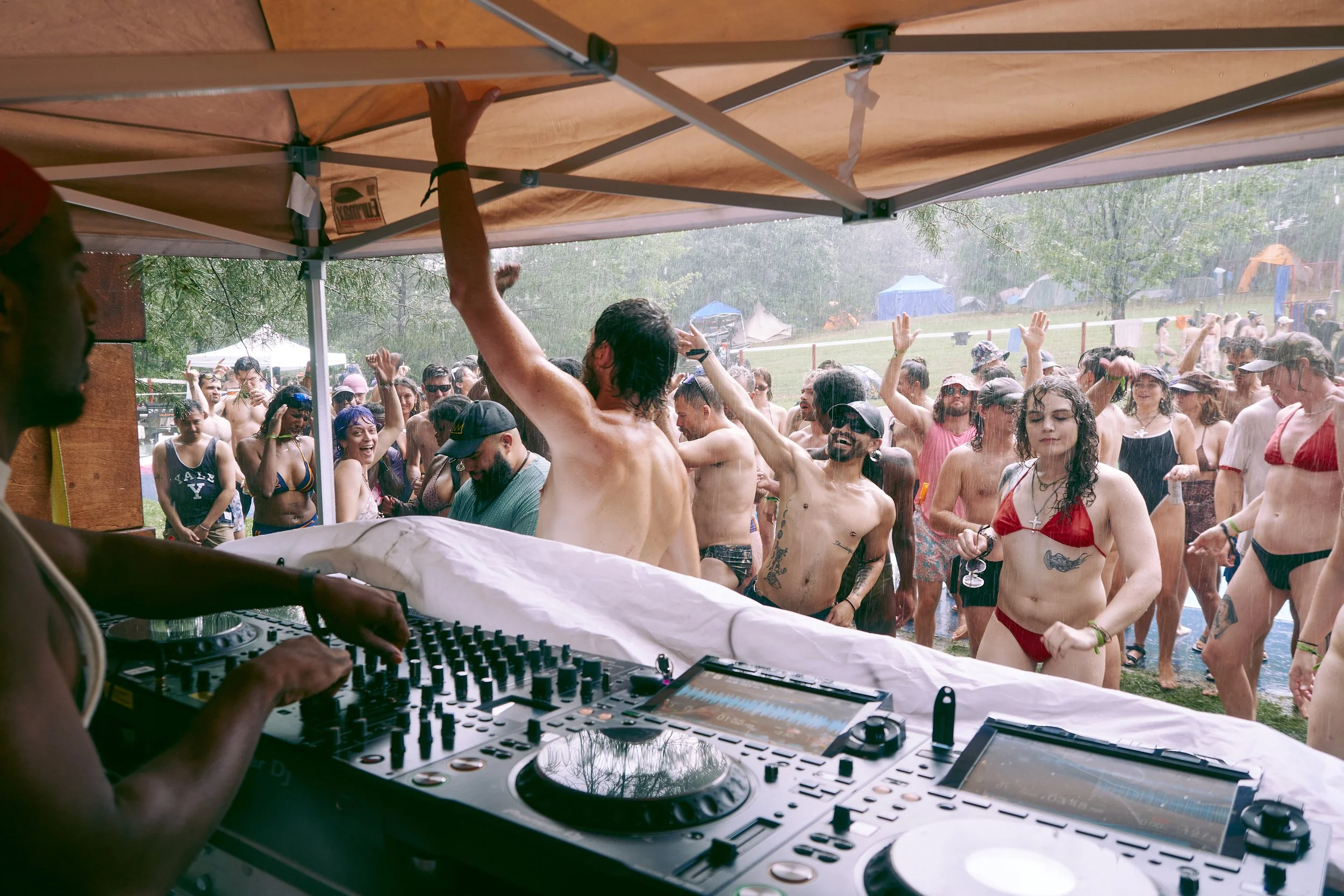
Elsewhere, the festival’s commitment to crossing sonic boundaries showed up in more experimental acts rooted in the local scene. Among them was Spiral Generator, a multi-instrumental, multi-artist collective that embraces a genre-defying ethos, mirroring ZAP’s own blend of rave and punk. They brought a subversive techno sound to the camp, pushing against the grain of a homogenized DJ culture.
By Raymond
For Carlie, these seemingly different sounds share a common thread. From Baltimore club music to the smaller DIY hardcore scene, the festival creates room for communities that might otherwise remain within their own worlds to find each other. As she explained, “Within the punk and rave scene, the common thread is that we know that life is hard, but that we have the collective choice to just keep doing, keep building and making art and celebrating each other.”
That same commitment to community extends beyond the music itself and into the practical work of making the festival accessible. In an effort to keep ZAP open to all, the team created the Flowers for ZAP program, which helps members of marginalized communities and those experiencing financial hardship access the festival through an application process. It’s one way the organizers work to ensure that the community they envision is reflected in who gets to participate.
As ZAP continues to grow, maintaining that sense of intimacy becomes its own kind of balancing act. Though the festival has expanded each year, Carlie and the community remain committed to preserving its connection to the land and the organic energy at the camp. While they may explore other possibilities in the future, the camp remains central to the world they’ve spent the past four editions building. At the same time, they’re working to bring that world beyond the woods through their ZAP in the City parties, with events in New York, Philly, and beyond. These gatherings offer a way to connect people more consistently throughout the year, rather than limiting those connections to a single weekend.
ZAP embodies the duality of wanting to stay connected while also disconnecting. For Carlie, the point isn’t simply to step away from city life, but to rediscover the sense of connection that can get lost within it. “I ultimately want people to come out of this festival feeling like we are not alone, like we have each other.”
Through the music and the community built around it, ZAP offers a reminder that even in a world that can feel increasingly isolating, there are still spaces where people can come together, create something of their own, and celebrate one another. To be both: a part of the city and culture, yet nature and slowness, can be fulfilled out at camp and on the dancefloor for everyone.
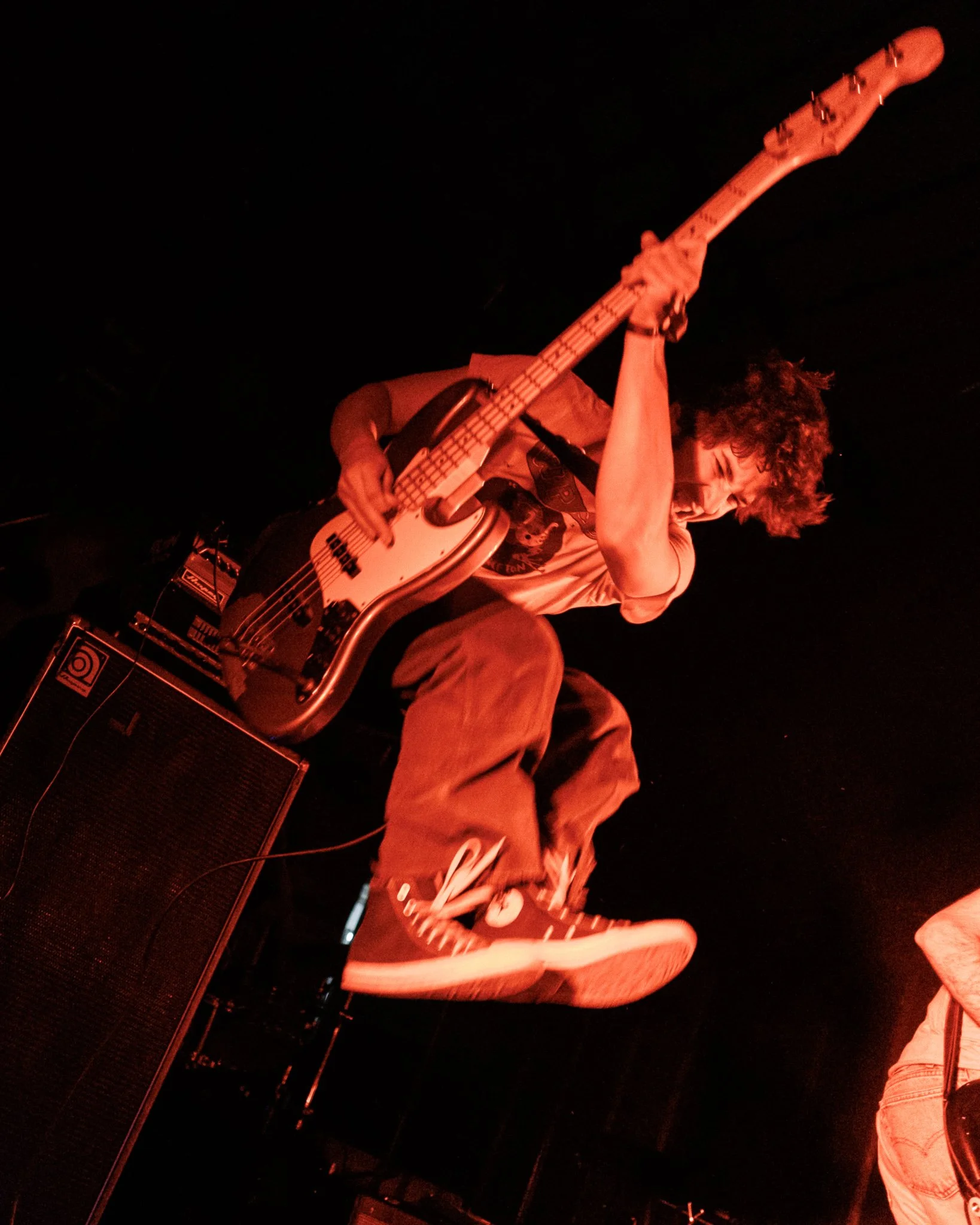
‘Sven’ by Kyle Meyers. ZAP Outdoorz, 2026.