
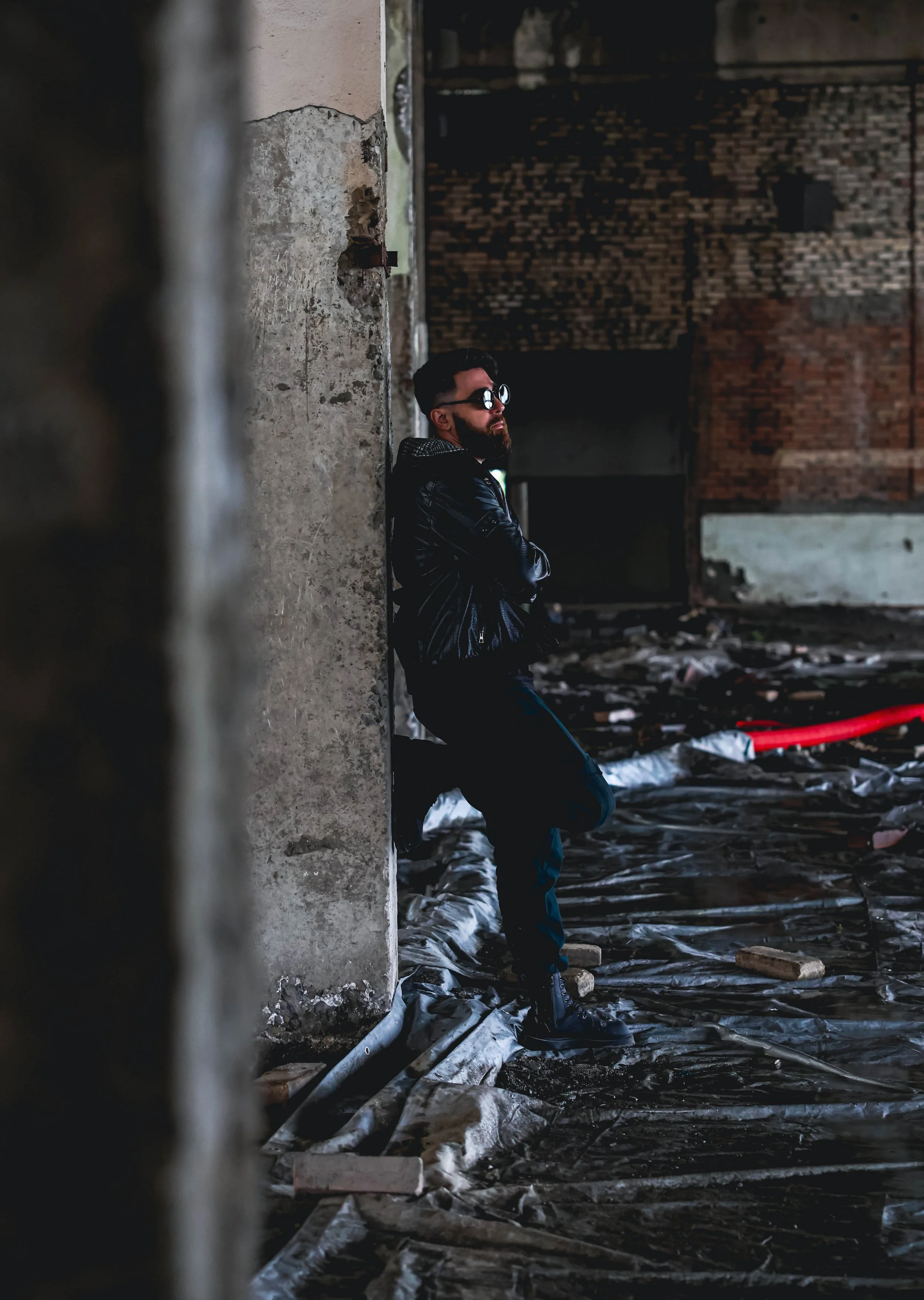
Sander. Photo by Tako Re. Tbilisi, Georgia 2026
Sander was born and raised in the heart of Tbilisi, where his late father worked at the local Opera House, and he learned life lessons from some of the most talented composers, musicians, and 360 artists from all sorts of backgrounds. Sander grew up to become one of the most ‘if you know, you know’ DJs operating locally, paying his dues to the scene. You'll never hear him say, ‘I deserve to be famous.’ While he is humble about himself, I believe he does deserve more than what life has offered so far, not because of his ego or marketing decks, but for his honest dedication to the craftsmanship and the true artistry.
DJ, producer, composer, and sound engineer, Sander will open the night at WELD – UNMIXED's club night at Sardafi, Dedaena Park, on Saturday, November 21. He plays from 23:00 to 01:30, before Kir, KXAH, Max Durante and KALI take the night to morning.
Warm-up is a special kind of set. Many think it is reserved for up-and-coming DJs, and while that can be true in some cases, at Unmixed we see it as a slot for seasoned musicians who understand the crowd at a glance. It is for those who can identify what the newly arrived crowd might want to hear, let them loose, and prepare them for a long night of dancing ahead without making it about anyone’s ego, but rather a collective experience.
Growing up in ‘90s Tbilisi, he had no social media, few DJs to look up to, and no easy way to get new music. Nonetheless, this never stopped him from chasing the tracks he loved most and spending plenty of time researching. It was not an easy life, but it sure as hell was worth living. He’s spent nearly his entire life, a span of over four decades, in the music industry. His childhood, like most of those who grew up in the post-Soviet collapse in Tbilisi, or as the locals call it: “shav-bneli ‘90s,” knows exactly what he means when describing the uneasy life and hardships that followed along the way.
Here he talks about why he thinks the rave is the only place where people are equal, what it cost to build a career from Georgia, and what he wants from a DJ and an industry.
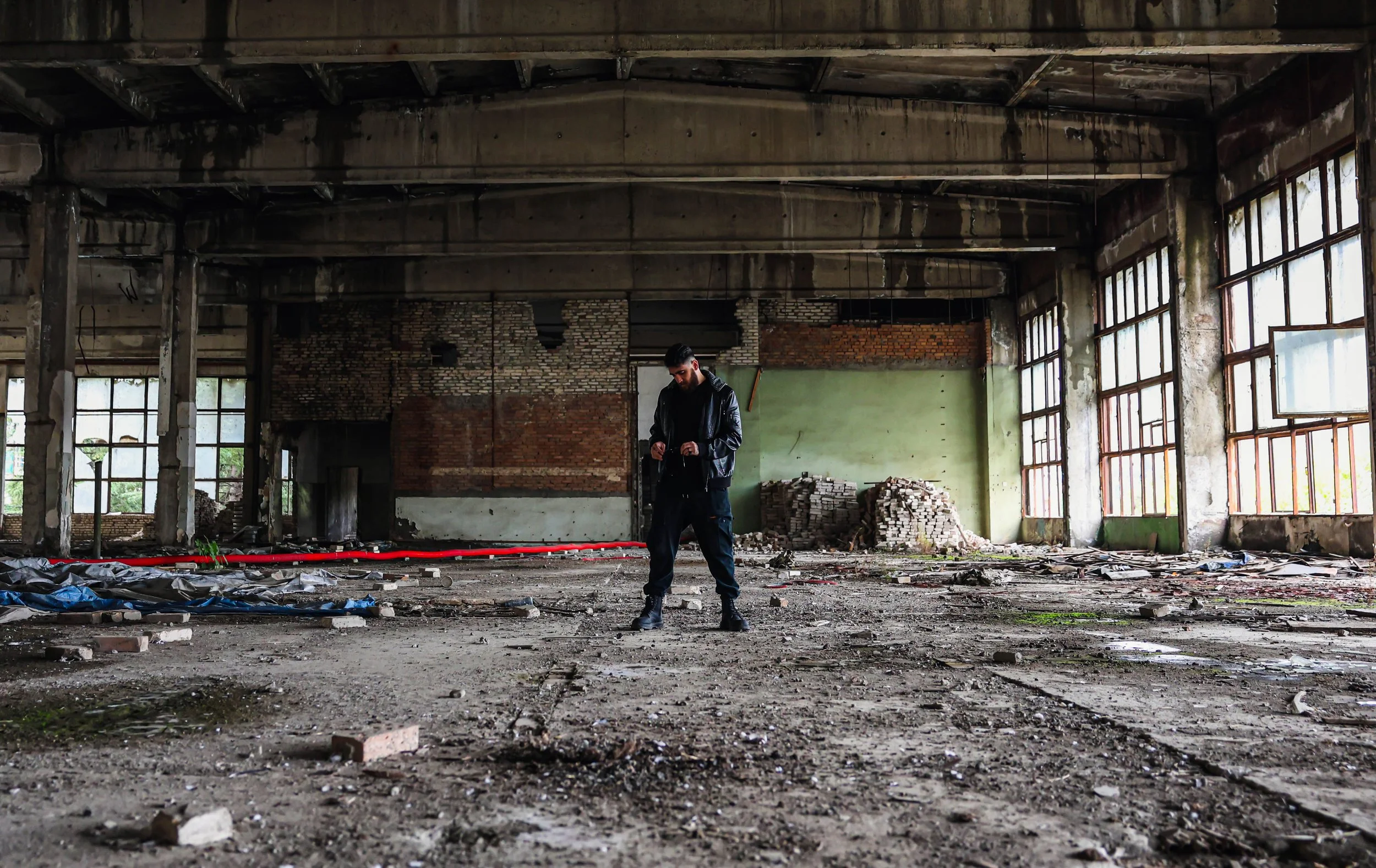
Sander. Photo by Tako Re. Tbilisi, Georgia 2026
What does music mean to you?
Vibrations. I deeply believe everything in the universe vibrates and emits energy. Music is the vibration of life itself, in harmonious movement. A person who creates music puts their own emotions into it. The heart beats at different vibrations when you're happy or unhappy, and through those vibrations, different kinds of music come out. Music is emotion. Music is everything in life.
Why does the nightlife scenes matter, in your opinion.
In all my years in music, this is the only place where everyone is equal. A rave is where people of different backgrounds come together, whatever their religion, and are united in the dance. To me, that is the underground: people sharing a deep understanding, not judging by looks, not limited by race, gender, or sexual orientation. That's why I've been going to raves for so many years. It's the only place where people are not "fighting" each other but coming together.
How did growing up in Tbilisi shape the way you see the dancefloor and the way you DJ?
It has certainly changed over the years. When I was growing up, there was no social media, and there weren't many DJs to look up to, so we had to invent most of it ourselves. It was never planned. It just happened naturally. Tbilisi is a city of personal connections, of networks and groups of people. If you wanted to give a friend music, you had to burn it onto a CD and hand it over. Getting your hands on new music was extremely difficult.
What were the biggest obstacles?
Georgia has always been very talented, a birthplace for so many. But it was hard to position yourself on the global scene because of limited funds. A lot of DJs even today can't afford a basic setup to practice on, not even an easy controller, let alone anything good like a synthesizer. It was always hard to sustain a career in those conditions. You need to touch the devices; you need to travel. Georgia didn't have access to many of the tools so you couldn't compete with the EU.
But now we have social media. Accessibility is the best thing. There's no shortage of information, even on how to play a live set on a modular. YouTube tutorials and open-source plugins are out there, and sidechaining is easy to learn. You can find out how oscillators and limiters work. I see a huge advantage compared with the era when we were using CDs, and it was a pain in the ass. We had no idea what we had to learn. Now anyone can learn how things work.
Who has been the biggest inspiration in your career?
I've always been attracted to people who don't follow trends. Oscar Mulero synthesizes sounds that don't exist as simple presets. His music doesn't resemble anyone else's. He forges his own path, and many have tried to copy him over the years, but you can't easily recreate it. It takes technical skill, and even more, it takes knowledge, taste, and an ear for recognizing it.
Adam X is a legend for gritty, raw sounds. Industrial metal clanking. It won't let you fall. You'll stand till the end.
What is the relationship between the DJ and the dancefloor?
DJs and listeners need to set aside personal pride and connect through the music and the rave. A DJ should not be the center of the party.
How do you read a crowd?
We can't see vibrations, but you are connected. DJing is not about a perfect mix and sync. First and foremost, a DJ must know how to read the crowd. If I play a song and I see the crowd moving to it, bodies swinging, that decides my next song. It's not a pre-recorded, pre-optimized lineup.
Being a DJ means knowing when to drop a song if it doesn't work on that specific dancefloor, and rearranging as you go. It requires a massive library. You can't be a great DJ and only play certain songs in one genre. Everyone wants to play bangers, but that's a short hit of dopamine instead of building a story, an elegant narrative. We all have the same ingredients. Gatekeeping tracks is absurd, because two DJs never make the same transition from one song to another. I think that's really beautiful and very special.
What worries you most about the industry?
We should focus on eradicating lies. Promoters are lying left and right, labels are buying chart placements, DJs are buying followers on social media, and it's hurting everyone in the industry. We need transparency. DJ slots are being sold at the biggest festivals. Superstars are built by money. It should be about who deserves it, not a popularity contest. You should be making music that makes people love you, not doing TikTok dances.
What's next for you?
WELD is my next event, and it came together out of a different idea. I always try to work with people who match my thinking. I feel so much happier when I work with people who share the same pain points and understand each other.
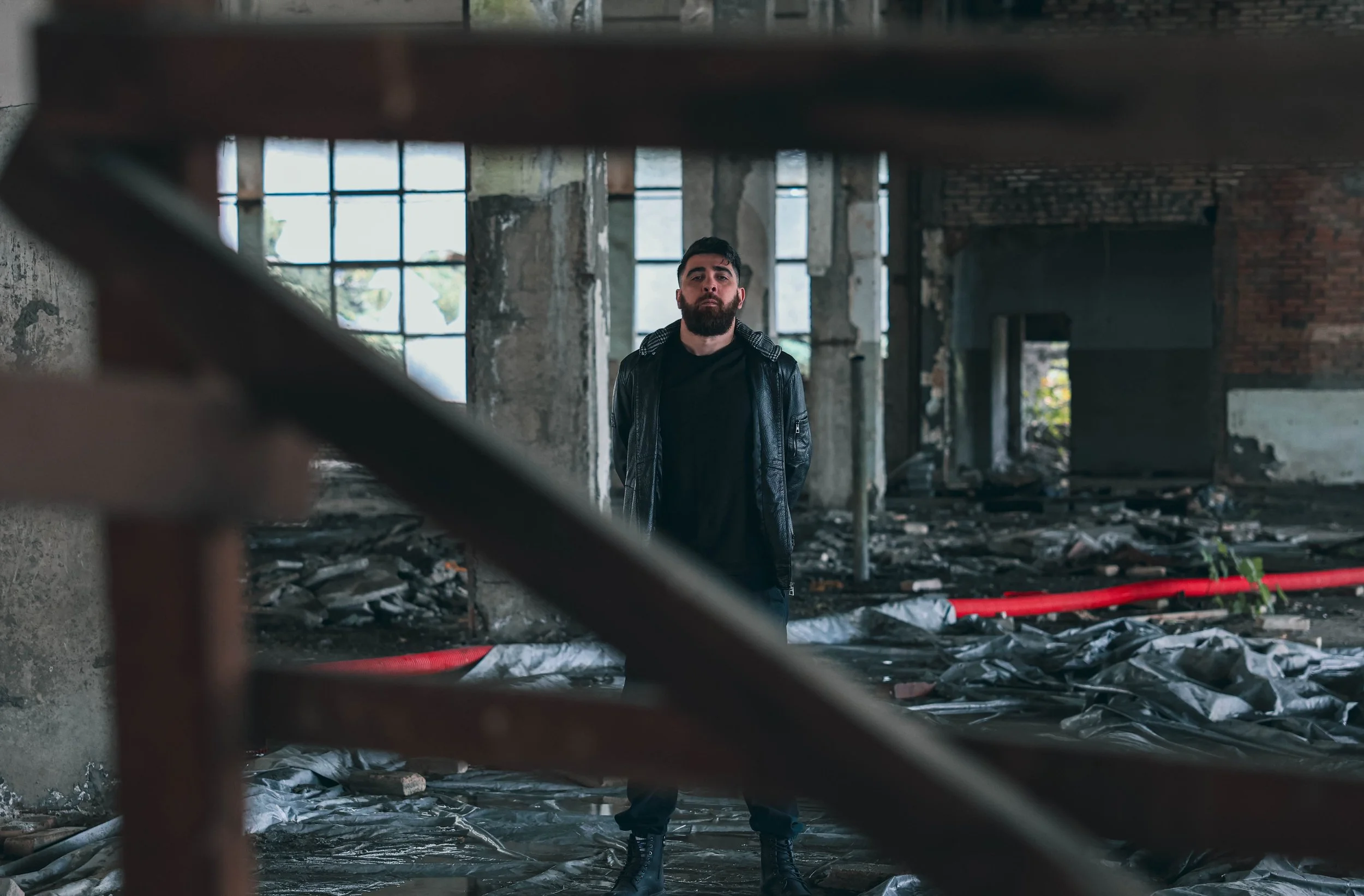
Sander. Photo by Tako Re. Tbilisi, Georgia 2026
