
Staying True: Wild Dark on Balance, Growth, and Purpose
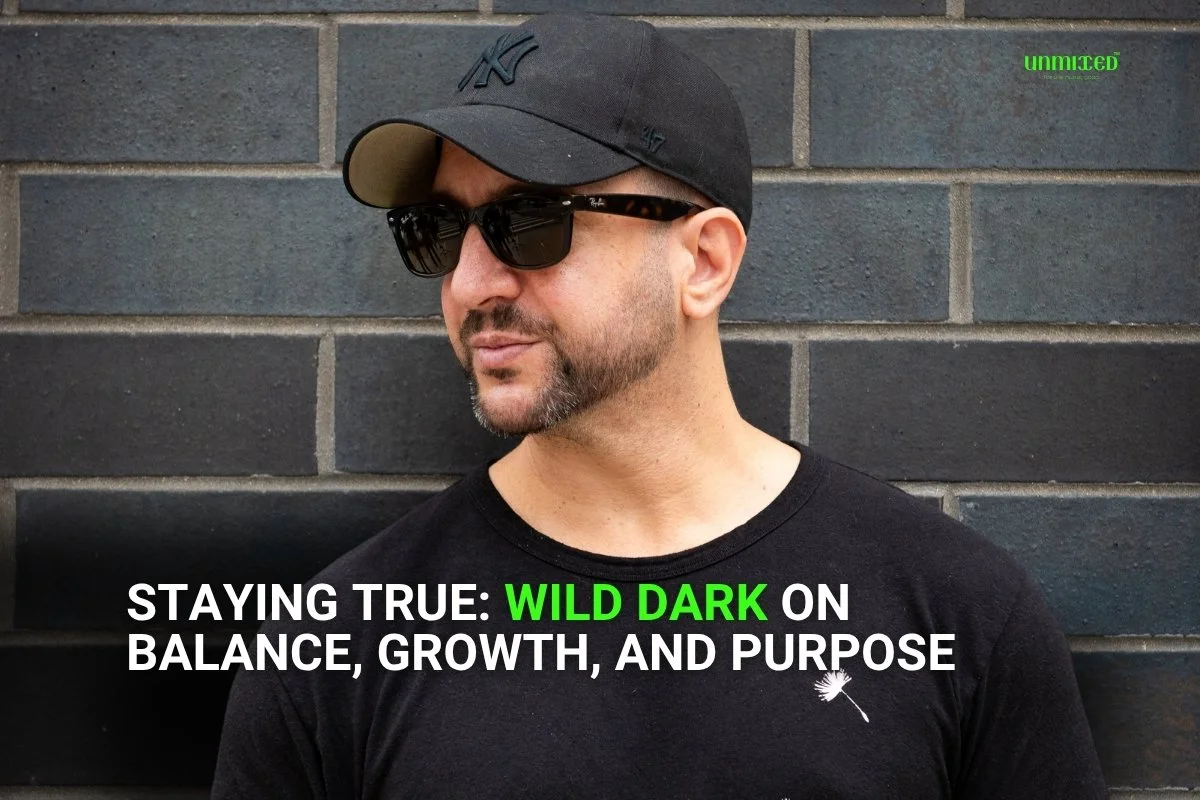
in frame: Wild Dark.
Staying relevant and invigorated in the dance music scene for over a decade is no small feat. In the relentless chase for the next track or gig, it’s easy to lose sight of the passion that sparked the trip into the world of dance music scene. Many believe that to succeed and stay healthy, a DJ must transform into a wellness guru, but Corey (Wild Dark) defies that expectation. Through consistency, self-awareness, and a commitment to healthy routines, Corey has become living proof that it’s possible to thrive in music while maintaining genuine balance and well-being for all: body, mind, and soul.
Those closest to Corey will tell you that his success is inseparable from the unwavering support of his partner, who has stood by him through many years. Their bond is evident to anyone who meets them–her encouragement and his deep appreciation form a strong foundation behind his achievements. Having released over 100 tracks, Corey’s career isn’t just a testament to talent and perseverance, but to the power of meaningful relationships.
Motivational, inspirational, and truly kind, Wild Dark has become a pillar of New York City’s nightlife, showing up for the community, for women, and for everyone he’s connected with throughout his career.
Wild Dark’s music has traveled through labels like Flying Circus, Anjunadeep, Sounds of Khemit, and, most recently, Beats On Time. We caught up with Corey to talk about the current state of dance music, the experience of women in the industry, his creative process, and his latest collaborations with Ariaano.
Let’s jump right in!
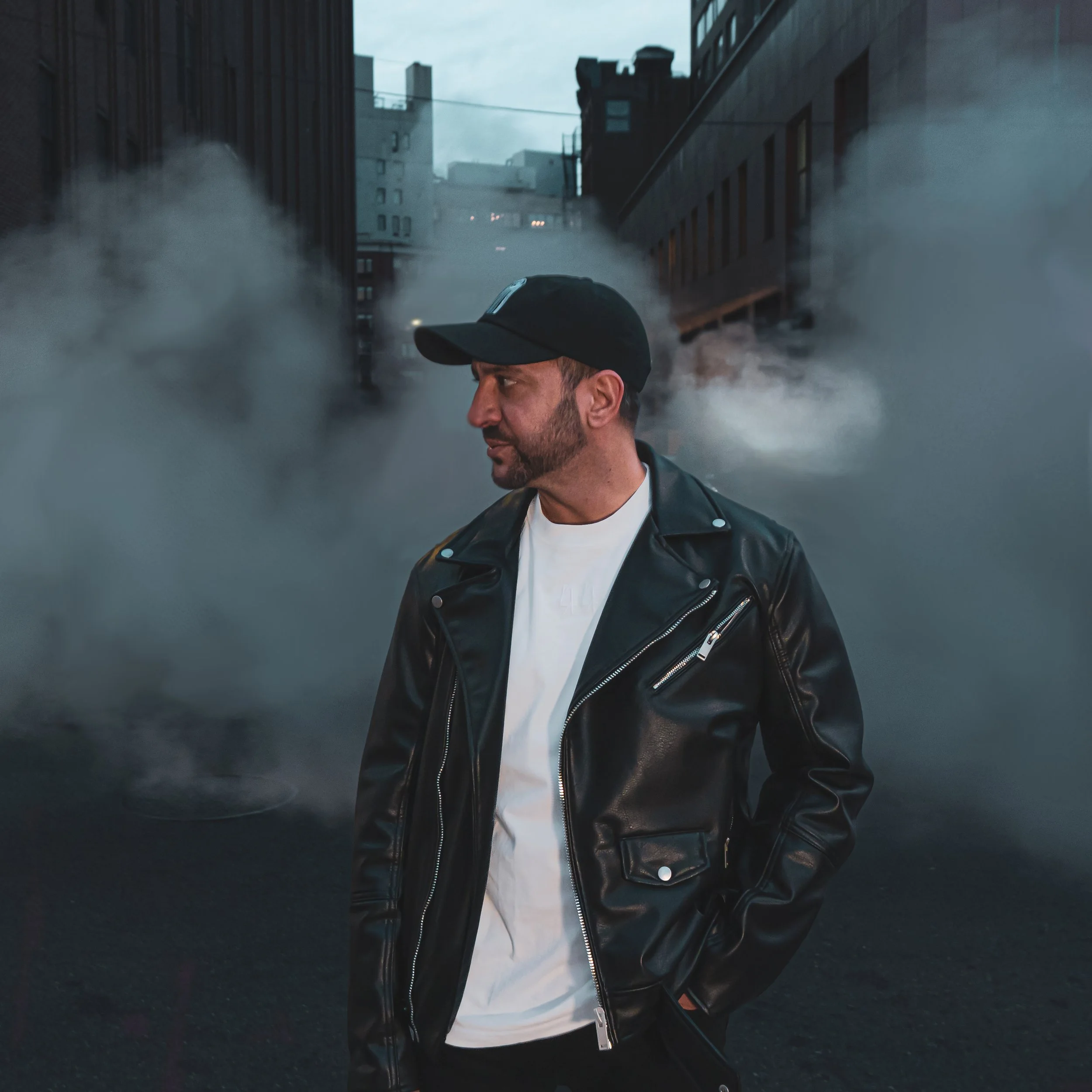
in frame: Wild Dark.
You’ve built an impressive catalog, releasing music on Flying Circus, The Gardens of Babylon Records, Sounds of Khemit, Bespoke Musik, and now Beats On Time. How do you keep creating such a diverse range of tracks?
For me, it comes down to not boxing myself into one lane, while still staying consistent with my choice of sounds and grooves - so no matter where the track lands, it still feels like Wild Dark.
Each label has its own identity, and I respect that, but I don’t try to force my sound to fit. I’d rather let the music evolve naturally and find the right home. I’ve always been drawn to blending genres into something that just feels right - something that can connect across different styles while still keeping a clear identity. At the end of the day, if it feels honest and moves people, it belongs.
Can you walk us through your creative process? Do you have any rituals or recurring sources of inspiration, or do you rely more on spontaneous bursts of creativity?
Spontaneity always works best for me when writing original music. I’ll hit record and just start building - writing hooks, sketching progressions, digging through sounds - and then manipulating everything until I land on that one golden loop I can build from.
Remixing is a different process for me. When I get sent a track, I’ll usually listen once - and if the direction comes together in my head right away, I’ll take it on. That way I’m starting with a clear vision instead of forcing something that isn’t there.
On days in the studio when things aren’t flowing or you’re not satisfied with your work, do you have any special ways to reset and refocus? Or do you prefer to let things unfold more freely and see where the adventure takes you?
This is super common for all of us, and my biggest rule is - never force it. If you’re hitting a wall, pushing harder usually makes it worse. You’ve got to remind yourself you’re not a bad producer - you’re just having an off day. When that happens, I step away from the desk and shift focus into something else that still moves my day forward. I’d rather use my time productively, than burn it forcing something that isn’t there.
When you’re sending music to labels, what do you consider most important? How do you decide which track belongs with which label?
I’ve got a strong catalog of finished tracks I’m sitting on, and a lot of the time it’s more about deciding what feels right and where it belongs. But in all honesty, I don’t chase labels - I match vibe. Not just the sound, but the energy of the label heads, the artists they champion, and the direction of the label’s brand. There are definitely labels I’d be honored to release on, but I don’t force records into places they don’t belong. If I have something that naturally fits a certain artist’s sound or label’s world, I’ll send it their way. If it connects, great - if not, no harm done.
You’ve been collaborating with Ariaano on remixes. What’s your creative process like together behind the scenes?
Working with Ariaano - who’s not only a close friend but also a mentor - has been incredibly inspiring. Our first remix together was back in 2018, so after all these years, the process is really dialed in. We both write a lot of music individually, so we can usually tell pretty quickly which ideas have the potential to become a Wild Dark & Ariaano or 16BL collaboration.
From there, it’s very hands-on and constant. We’re on FaceTime most days, sharing Ableton sessions back and forth, dropping samples and MIDI stems into WhatsApp, and streaming lossless audio in real time from studio to studio using Audiomovers LISTENTO. At this point, the workflow is so streamlined that we can take an idea and turn it into a finished track within a few hours. It’s a very fluid, back-and-forth creative energy.
What’s your perspective on the current state of dance music? Do you feel the scene is evolving and healthy, or do you notice cycles of repetition across genres? Is the scene stuck, or do you see it differently?
I think it’s a bit of both. There’s definitely repetition, as trends move fast, and once something works, a lot of people follow it. That’s always been part of dance music. But I don’t think the scene is stuck. There’s still a lot of creativity out there - you just have to dig a little deeper to find it. Some of the most interesting music isn’t always what’s sitting at the top. At the same time, I do think there’s a shift happening where some long-standing, influential artists are getting pushed aside in favor of what’s trending in the moment. That can go against what this scene was built on - longevity, identity, and developing a real sound over time. You’re also seeing some artists step back because of that. For me, the artists who are consistently putting in the work and pushing their sound forward, not just riding waves, are the ones who last. In the end, the cycle always resets. The real ones with identity - are the ones who shape what comes next.
You’ve talked about identity and longevity versus trends, but when you’re in the moment making a track, how do you actually recognize that something is yours and not just subconsciously shaped by what’s currently working in the scene?
It’s definitely a fine line that any artist trying to maintain an identifiable sound deals with. For me, the second I start thinking about what’s working out there, I’ve already lost it. You’re always influenced by what you hear - that’s unavoidable. Your identity comes from how you filter, manipulate, and reinterpret that into something that feels true to you. At the end of the day, if I can stand behind a track and actually play it out, then I know it’s mine - not just a reflection of what’s happening around me.
From your perspective, what could the dance music industry do to create more equality and fairness for female artists? Do you notice any challenges, or do you feel the playing field is level for all gender identities?
I think there’s been real progress in recent years - more visibility, more opportunity, and a lot of incredibly talented female artists stepping into leading roles in the scene.
But I don’t think the playing field is fully level yet. There are still fewer women overall, and many have had to push through added challenges - whether that’s being taken seriously early on or dealing with pressures that men don’t experience. That’s something we still need to be conscious of.
A friend of mine, the talented artist ELIF, has shared some really thought-provoking perspectives on this that can open people’s eyes to what many women face in the scene. At the end of the day, talent is undeniable - but it’s on the industry to make sure the environment is fair, supportive, and built for everyone to thrive.
Let’s change gears for a moment. What’s your secret to creating music sustainably? Do you follow a set schedule, or do you prefer to avoid routines and keep things open-ended?
I’ve definitely become a creature of habit. I keep a pretty structured routine day to day - everything from diet and fitness to time in the studio. For me, that consistency is what keeps things sustainable. When I’m feeling good mentally and physically, it translates directly into how I create. If something is keeping me productive, focused, and showing up at my best day in and day out, it doesn’t make sense to disrupt that flow.
Before we wrap up, what’s next on your horizon? Is there anything exciting coming up that we should keep an eye out for?
I’m always looking forward to the next shows, the travel, and connecting with friends - both new and old. That’s a huge part of what keeps everything exciting. But what I’m most amped about is 2026. We’ve built a really strong body of work over the past year, and there are some special records coming out on incredible labels. I look forward to what lies ahead.
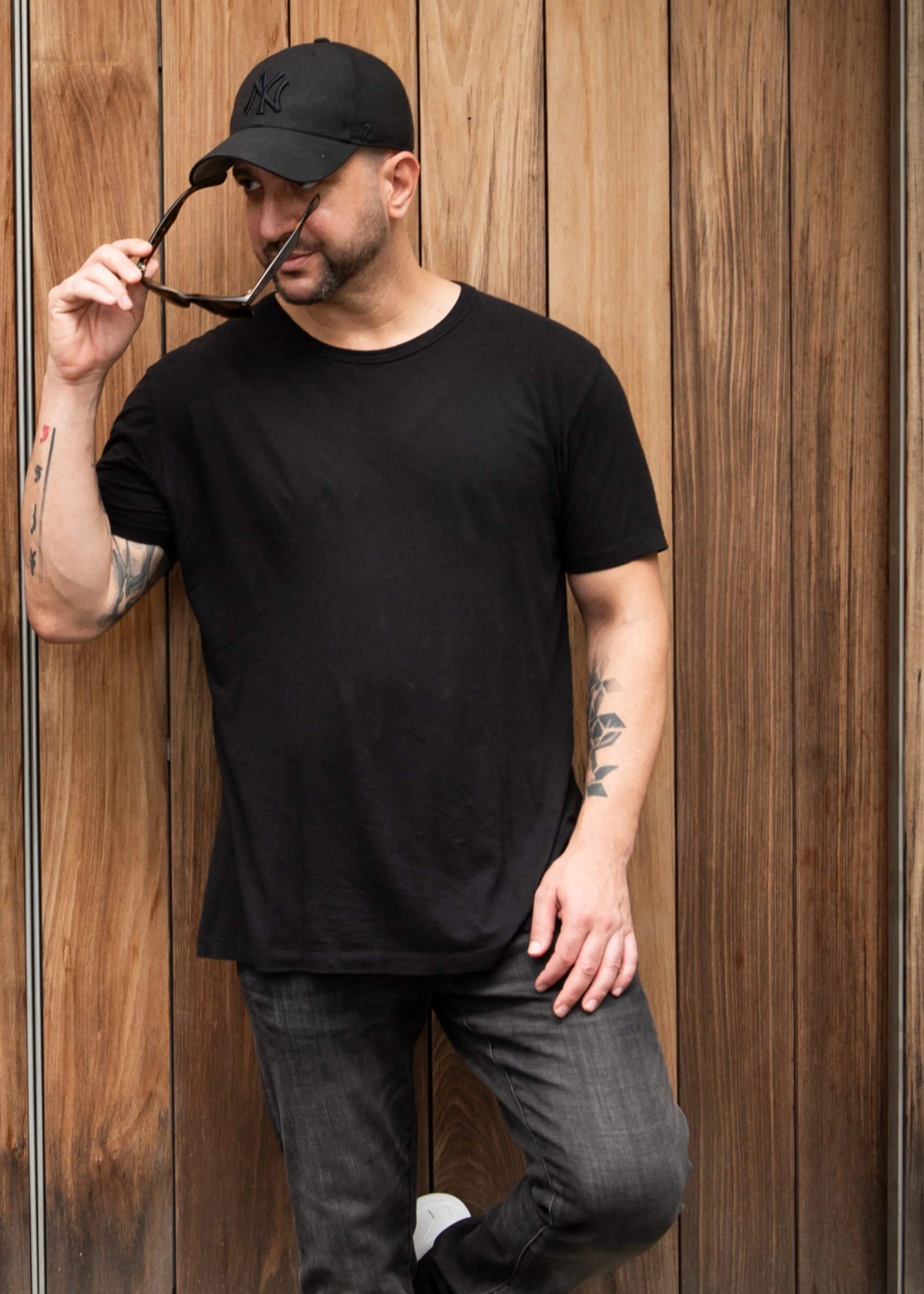
in frame: Wild Dark.
