The Raving Thinker: On Writing on Raving
I’ve always wanted to write down the thoughts that come to me when I’m on a dancefloor, when the pill has kicked in and I’m dancing like there’s no tomorrow. The excitement, the dreams, the strange ideas moving through my head. I used to think: I wish there were a way to scan those thoughts somehow, just so I could show people the possible worlds I’m imagining in those moments.
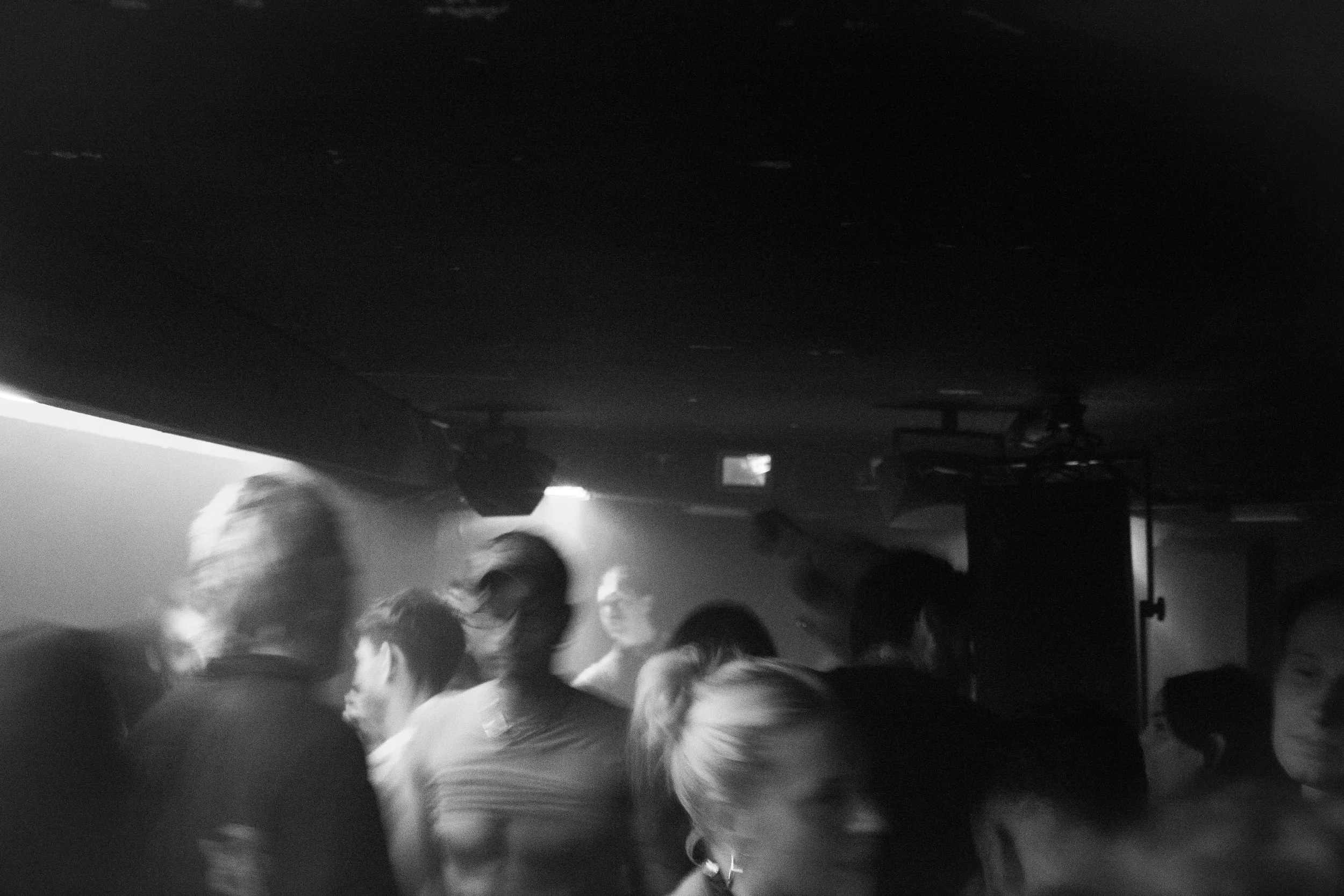
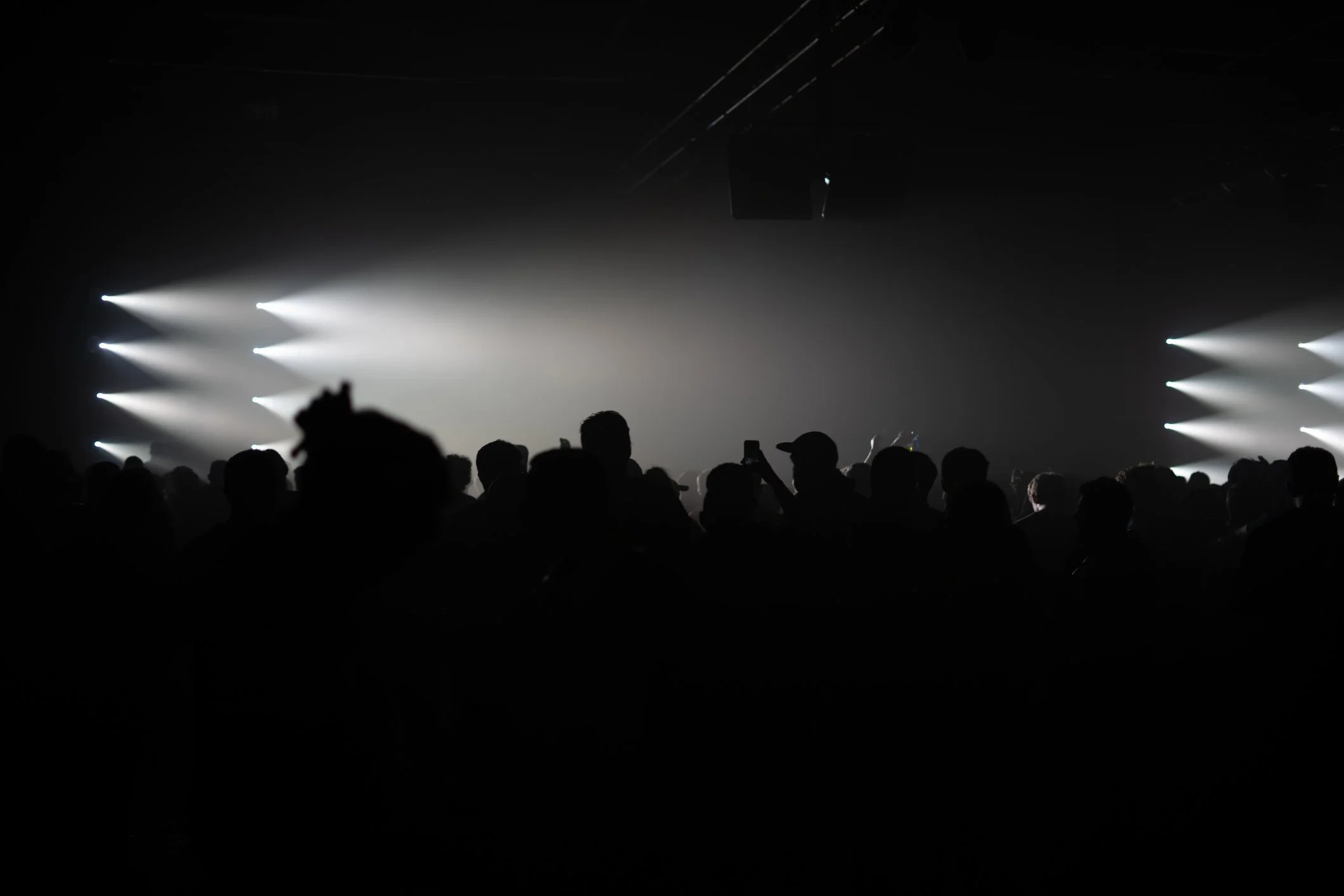
Nightclub in London, UK. By Kasra Bordbar
One night at Fold, a London club known for its heavy sound system and long techno nights, after hours of dancing, my close friend Parham and I stepped into the smoking area. Still moving gently to the music spilling out from the dancefloor, we somehow found ourselves talking about Nietzsche. I can’t remember how we got there. It was only a brief conversation, but he listened patiently as I tried to put into words something I had only just understood. At that moment, I finally grasped why Nietzsche kept returning to dance when he wrote about life. He was fascinated by it. From The Birth of Tragedy to Ecce Homo, dance appears again and again in Nietzsche’s writing as an image of how life might be lived. Nietzsche hardly seems like someone you would imagine dancing, and I’m not even sure how much we know about whether he actually did. But for him, dance was everything:
becoming, creation, chaos, and affirmation.
When I read Writing on Raving–an anthology edited by McKenzie Wark, Geoffrey Mak and Zoë Beery–I felt that someone had finally started doing exactly what I had always wanted to do: putting that flood of thoughts into words. It was a pleasure to come across a book that takes seriously the strange experiences, conversations, and ideas that emerge on the dancefloor.
What interested me most was the book's suggestion that raving is not the opposite of thinking. If anything, it creates the conditions for different kinds of thought. The dancefloor appears here not as a place where thought disappears, but as a place where it changes form. Ideas emerge through movement, sound, exhaustion, conversation, and collective experience. In this sense, the book is not simply about raving; it is about what becomes possible within the worlds that form around it.
The essays collected in Writing on Raving rarely argue with one another. Instead, they approach raving from radically different positions. Some remain on the dancefloor, immersed in sound, sweat, drugs, and movement. Others begin only after the music has stopped, following memories, friendships, sex, grief, work, or exhaustion. Yet they all seem to return to the same question: what kind of thinking becomes possible through raving? Their answers are never identical, but together they suggest that the dancefloor is not merely a place where people escape the world. It is also a place where they begin to understand it differently.
This becomes especially clear in Gavilán Rayna Russom’s essay “Moments in Funk,” which comes closest to what I mean by dwelling. Russom writes about finding “a home” in their body on dancefloors and in club and rave spaces. What matters is that this is not described as an escape from the body, or as the familiar idea of losing oneself in the music and becoming one with the crowd. It is almost the opposite: repetitive sound, light, movement, and the presence of other people make it possible to feel more fully inside one’s own body. Russom later extends this idea beyond the individual, imagining the club as a social space where different bodies, sounds, and energies can exist together without collapsing into a single whole. Being together does not require becoming the same.
Other essays arrive at this sense of inhabiting rave culture from very different places. In “Cigarette Girl,” Zoey Greenwald spends much of the night behind the bar rather than on the dancefloor. From there, the club appears not only as a place of pleasure but as a machine sustained by labour, money, bodies, music, and desire. In Madison Moore’s “Adult Entertainment,” the question shifts again: why should nightlife be something we are expected to grow out of? Moore treats going out not simply as entertainment but as part of a way of living, pushing against an idea of adulthood organised entirely around seriousness, work, and productivity. Taken together, these essays make the rave difficult to reduce to the few hours someone spends dancing. It can be a workplace, a social world, a way of organizing a life, or a place where someone feels at home in their own body. This is why, while reading the collection, I found myself returning to one word again and again:
dwelling.
No one in the collection insists on dwelling as a concept, but something close to it runs beneath many of the essays. Whether they are writing about dancing until Monday morning, working behind the bar, organizing parties, or having anonymous sex in darkrooms, raving repeatedly appears as more than an event one simply attends. It becomes a world one inhabits, however temporarily – a place in which different ways of living, relating, and thinking can be tried out.
The intensely lived quality of these experiences may also explain why so many of the essays are autobiographical. Raving resists description from the outside. It has to be lived before it can be written about. No explanation can replace the experience of dancing for hours without noticing time, of discovering unexpected conversations in smoking areas, or of feeling your body relate differently to sound, movement, and other people.
It may also explain why people continue to seek out raves even where doing so carries serious risks, including in places like Iran, where raving is effectively illegal. Whatever happens on the dancefloor seems to matter enough that many refuse to give it up despite the consequences. Perhaps this is another form of dwelling: building a temporary home precisely where it is most dangerous to do so.
Even when two people attend the same party, they never come away with the same experience. This is why the collection never settles into a single definition of raving. Instead, it offers a series of singular encounters, each trying to give language to something that remains stubbornly resistant to language.
Looking back, I realize I never needed a machine to scan those thoughts after all. What I needed was time. Time for the music to stop, for memory to settle, and for those fleeting moments to become language. Writing on Raving reminded me that perhaps this is what writing after raving has always been: not the preservation of an experience, but its continuation.