The One for the Heads: Dekmantel Festival

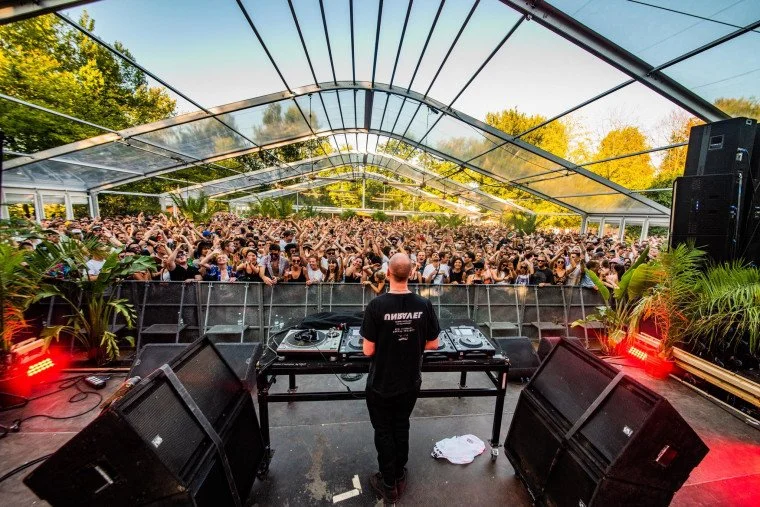
Nørbak & Surgeon at Radar stage, Dekmantel Festival 2026. Photo by Sander van der Ven
Different people find different things that pull them into the dance music scene. Most of us, who decades later are still gravitating toward it, know the reason why. It's the inner peace, the freedom, the connection, and the deep feeling of joy that we find there - often arriving with that particular sensation of letting go, the one that has no real equivalent outside of a dancefloor.
Dekmantel Festival brought together heads from nearly every corner of dance music: techno purists standing next to dubstep heads standing next to people who came only for the ambient. This year, with the new addition of Dekmantel at Dawn - the early-hours programming starting at 11AM, there was finally enough room on the bill for some of the festival's best seasoned experimental musicians and live acts to showcase something different that usually falls into the categories other than their comfort zones. It is, in its own way, in keeping with what the founders have always said about this place: that electronic music is a lifestyle and an ideology before it's a genre, and that its subgenres shouldn't waste their energy fighting over BPMs and stage placement.
Under a Buck Moon, in a forest three times the size of Central Park, roughly forty-five thousand people have moved through the Amsterdamse Bos - a number the festival caps by choice, not by capacity, because the people setting the lineup are, first, music lovers themselves who still deeply care about the culture.
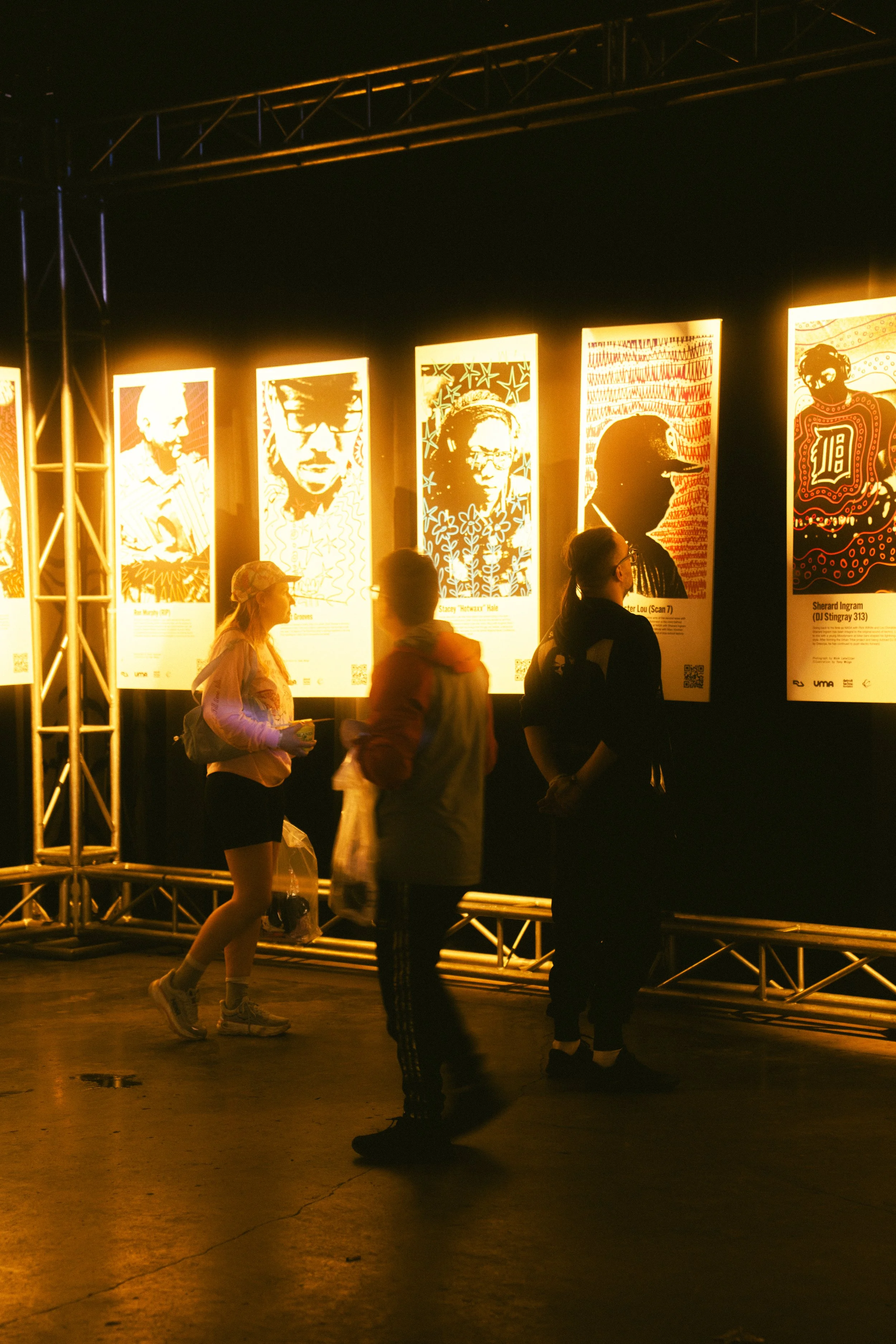
The festival opened on a Wednesday at Oude Kerk, one of Amsterdam's oldest and most spiritual landmarks, with a concert led by Space Afrika – a Manchester duo whose sound blends trip-hop and ambient into something closer to weather than music. The next day belonged to De Balie, where the Dekmantel Conference - put together with Resident Advisor and First Floor - pulled producers, writers, artists and assorted cultural thinkers into a room to talk about the ideas holding this whole industry up. Free to attend, panels first come first served, workshops by RSVP only: Juan Atkins sat for an intimate Q&A, James Holden and Olof Dreijer ran workshops for whoever got the confirmation email in time, and Shawn Reynaldo hosted panels that, depending who you ask, were either the sharpest hour of the week or the most uncomfortable.
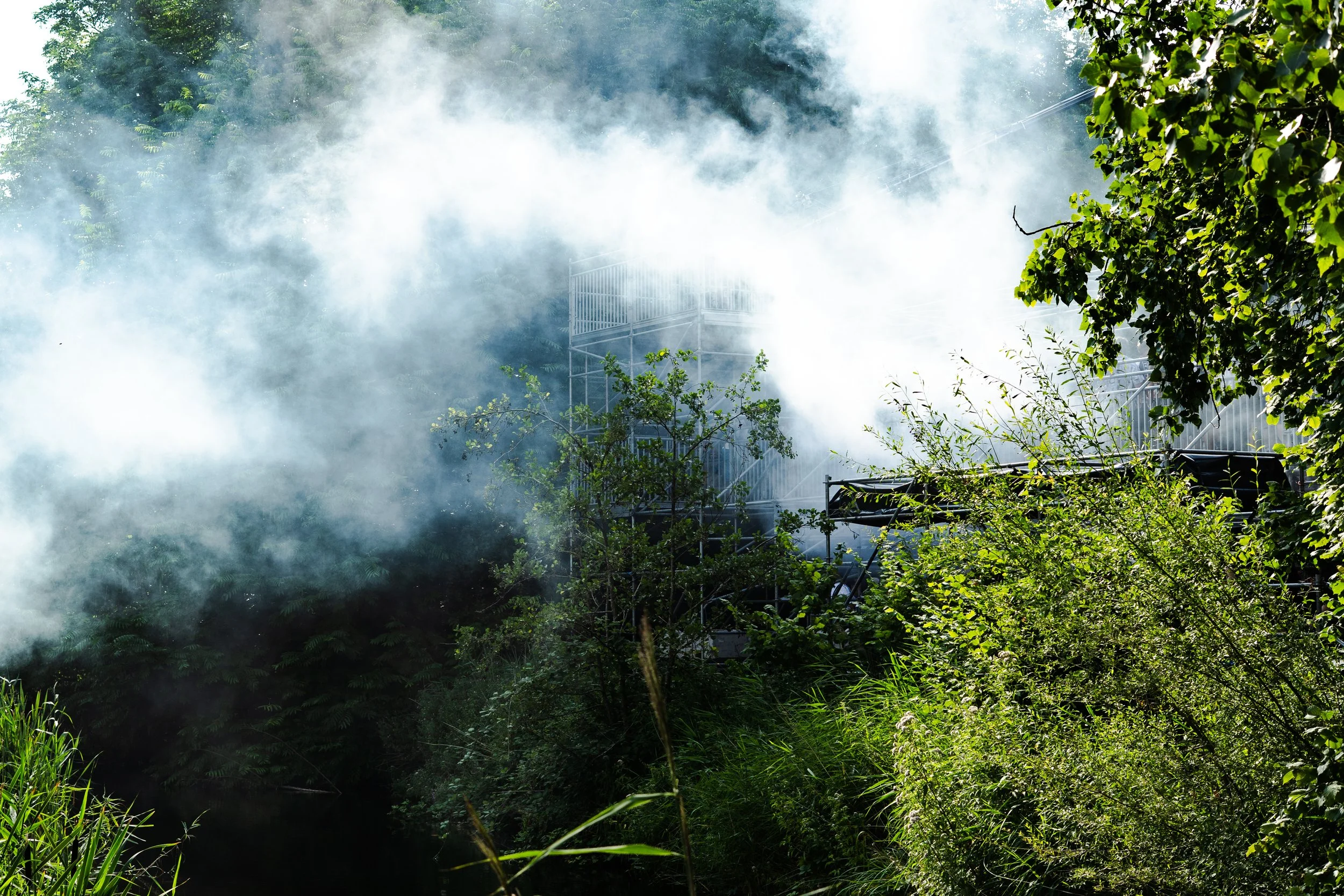
Dekmantel Festival 2026, Amsterdam, Netherland. Photo by Bianca Paul
The one we caught made the case for the latter. Billed as music journalism - what's real and what's fake - it turned into Shawn spending most of the hour grilling RA's Gabriel Szatan on editorial independence, questions that landed exactly where you'd expect when the person answering also runs the desk being questioned. Szatan held his ground, mostly, though a few pauses said more than the answers did. Lauren Sohikian of Modern Matters and Chanel Kadir of Dawn Creative Agency, also on the panel, said more in less time than anyone else up there.
You can sell tickets to a concert or a festival. You can't sell presence - the tuned-in kind of attention that doesn't come with an exit strategy or an audience of its own. That's the thing a room full of people talking about journalism ends up circling anyway: why so much of Dekmantel this year seemed to happen with fewer phones in the air than the festivals around it, and why that, more than any single booking, might be the actual reason people keep coming back.
Friday, day one at Bos, was not too crowded. Stages were full but never overflowing, which, at a festival that could sell far more tickets than it does, felt less like luck and more like design. The food court, with its rows of picnic tables, was packed with people having a meal right before they forget they need to eat to exist until they meet again at the same hour tomorrow. In between, survival runs on beer and palomas, with the occasional detour for a lemon spritz from the cocktail bar tucked into the pathway that connects the food court to the Radar stage - a small, necessary landmark by day two.
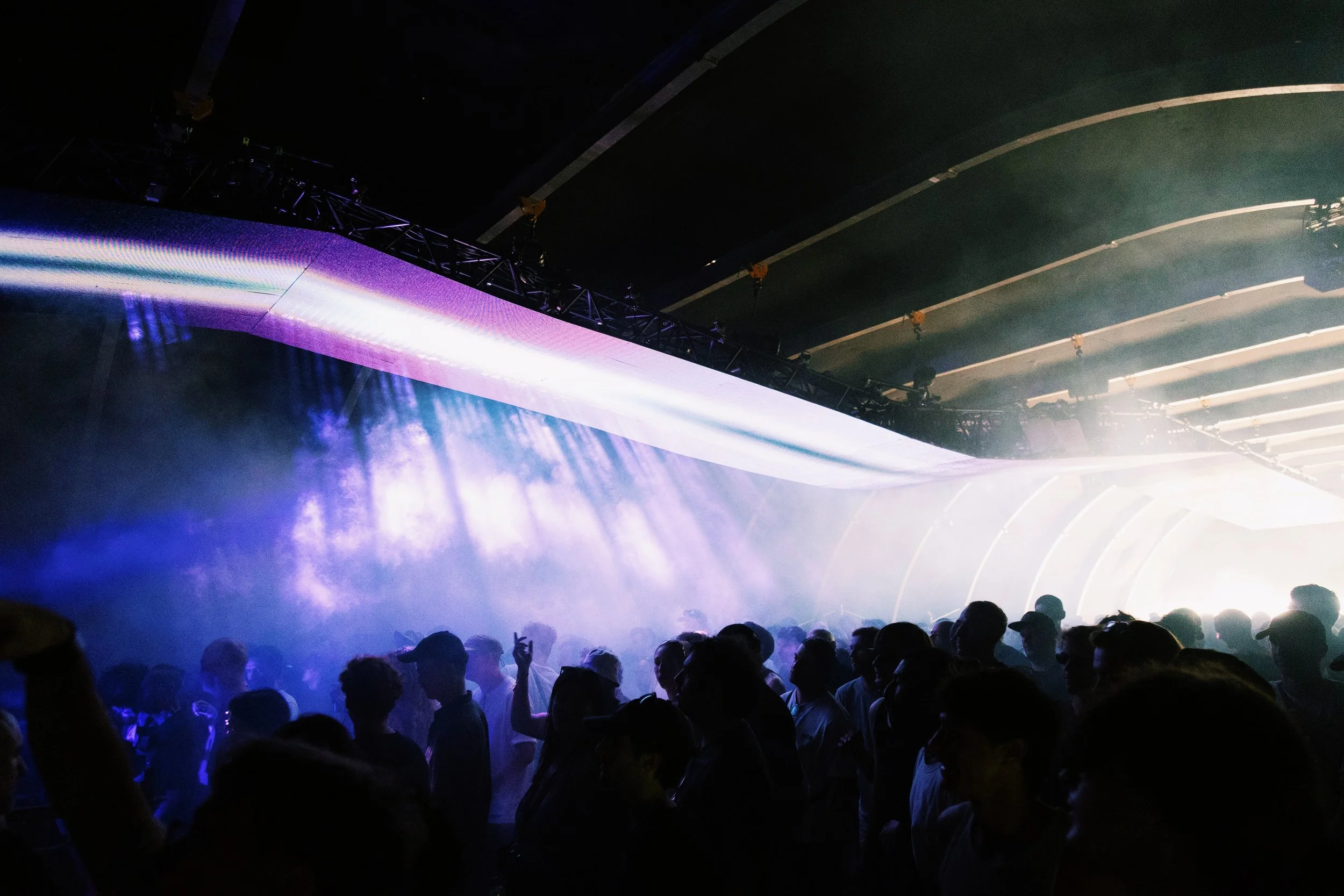
UFO II, Dekmantel 2026. Photo by Bianca Paul.
Luigi Tozzi and Dino Sabatini's new album, which premiered at the festival as a live b2b set, was a wondrous expedition into the inner workings of whatever it is our soul is made of. They looked captivated by their own music, genuinely lost in it, and honestly, that's exactly what the late afternoon in the woods needed. It helped that we'd sat down with Luigi a week earlier, talking about stillness, sound, and the vanishing role of the musician on stage; hearing him say he wants people to listen rather than watch made the set land even harder in person. UFO II, as Albert - one of the stage's designers - explained it to us, was built to resemble a sound wave suspended in the ceiling, lighting up and spreading outward from the booth toward the entrance of the dancefloor, so that the architecture itself seemed to be tracking the music in real time.
On that same stage, Garçon and Sybil opened the vortex with their trippy, mind-bending techno, spinning UFO II's crowd into a whirl without ever losing their grip. The energy in the room felt refreshing and unexpected given the deep, restrained techno they're known for. You could see it in Sybil, dancing like she was part of the crowd rather than behind the decks, hand thrown up in anticipation of a drop; Garçon's energy was quieter but completely in sync with the music, their smiles giving away just how much they were enjoying their own set.
The next highlight was undoubtedly Dax J and his new live set. With the bass drops and percussion peaking into something almost violent, this was a whole different kind of meditation - the kind tha shakes a few screws loose in your skull. Dax J himself looked possessed, tweaking knobs and lurking over the rig with only the occasional side-eye to scan the crowd. He knew exactly what he was doing, and so, eventually, did we.
GiGi FM b2b JakoJako took over the UFO I on a Saturday, and made the case for themselves as the b2b to watch this year – sharp, playful, never predictable. That same evening, Function, Luke Slater and Steve Bicknell reconvened as LSD for a live show that shook the tent harder than almost anything else all weekend; we caught only the last twenty minutes on our way out and have regretted not building the whole night around it ever since. Right after came Dasha Rush b2b Oscar Mulero – their first ever back-to-back, widely anticipated was was still a masterclass, just not the kind anyone expected on paper: a set that leaned harder and colder than either of their solo reputations would suggest, the two of them clearly feeding off each other rather than trading tracks politely.

Aurora Halal at Selectors stage, Dekmantel Festival 2026. Photo by Noah Schielen.
Alex Wilcox set the Radar stage on fire on the last day of the festival, playing with the kind of authority you don't expect from someone the guide had filed under "debuting acts" – a wrecking ball with a decade's worth of restraint he clearly hasn't needed yet. It was chaos in the best sense: unpredictable, physical, every hesitation surgically removed before he walked in, the kind of set where you stop trying to guess what's coming next and just let your body figure it out ahead of your brain. If letting go has a sound, this was it. Back in April, he told us he wants to see more dangerous musicians breaking through - watching him from the crowd, it was hard not to think he'd just made his own case for one.
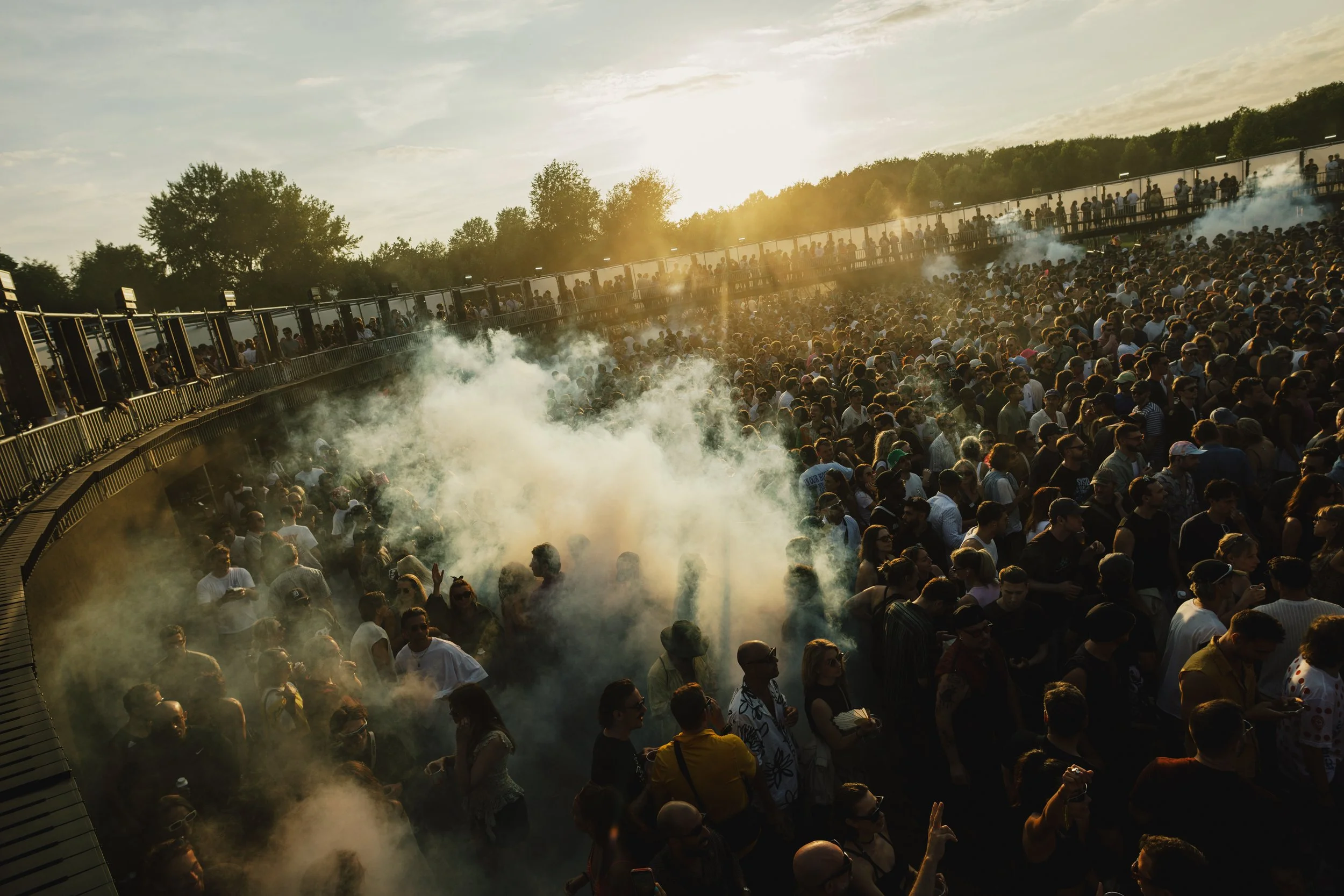
The Loop stage, Dekmantel 2026. photo by Tim Buiting

Gigi FM & JakoJako at UFO II, Dekmantel 2026. Photo by Sander van der Ven
Wata Igarashi, a day earlier on the same stage, offered a completely different kind of proof. Where Wilcox surrendered to his set, Igarashi seemed to command his — every transition deliberate, every drop held a beat longer than felt comfortable, the room bending to his patience rather than the other way around. It shouldn't work as a headline slot, control instead of release, and yet the crowd let go anyway, just on his terms instead of theirs.
Octo Octa pulled off something similar from the opposite direction when closing the Radar stage on the Sunday, a set that went straight into cracking wide open as a hard, snapping drum and bass by the back half — the same control-into-release arc we discussed earlier compressed into a single hour.
The atmosphere overall had the feel of a warm afternoon at your favorite aunt's house - hot, unhurried, a crowd of mixed ages all enjoying the sun without much urgency. At first it read almost like a field trip: picnic tables, people who looked "normal," little to no freaky outfits, not much on offer for the dedicated people-watcher. A game of existence, played out in linen pants, cotton tees and the highest SPF sunscreen.
Every once in a while we'd drift away from UFO I and UFO II to see what else was happening. The Loop was likely the least essential of the stages we visited - not just because of the crowd, though the commercialized end of the sound had clearly found its way onto that dancefloor and warped it into what one Reddit user, not entirely unfairly, called "Yappmantel," but because the sound itself felt built for volume over depth, more compressed than anything happening on the smaller stages around it. This is also, for what it's worth, where Skrillex played to the festival's most divided crowd of the weekend - and while the purists grumbling about it weren't wrong that it was a different animal than the rest of the bill, the set itself was tighter and more considered than the discourse around it suggested, which didn't stop half the tent from leaving the second it started. Book it again next year regardless; a festival this comfortable in its own identity can afford one deliberate provocation. Meanwhile all the boys in white shirts and shorts were presumably having a great time discussing the stock market, or tech, or whatever else that crowd usually talks about during DJ sets.
The Selectors stage looked, at first glance, like it might be the Greenhouse - there were actual trees around it, after all. It wasn't. The real Greenhouse sat just in front of it, close enough to be confusing, housing the new ON2 sound system built with NNNN and OJAS and co-created by artist Devon Turnbull - a genuinely new addition for 2026, not a layout accident, even if it read that way in the moment. The wooden dancefloor at the Greenhouse sounded solid, but its size didn't do it justice; squeezing in to actually dance there was a challenge at almost any given hour. The best use of the space may honestly have been the very first morning, Resident Advisor-led panel discussion held inside it - sitting on the meditation pillows, catching your breath before heading into three days of nonstop music was a calming experience.
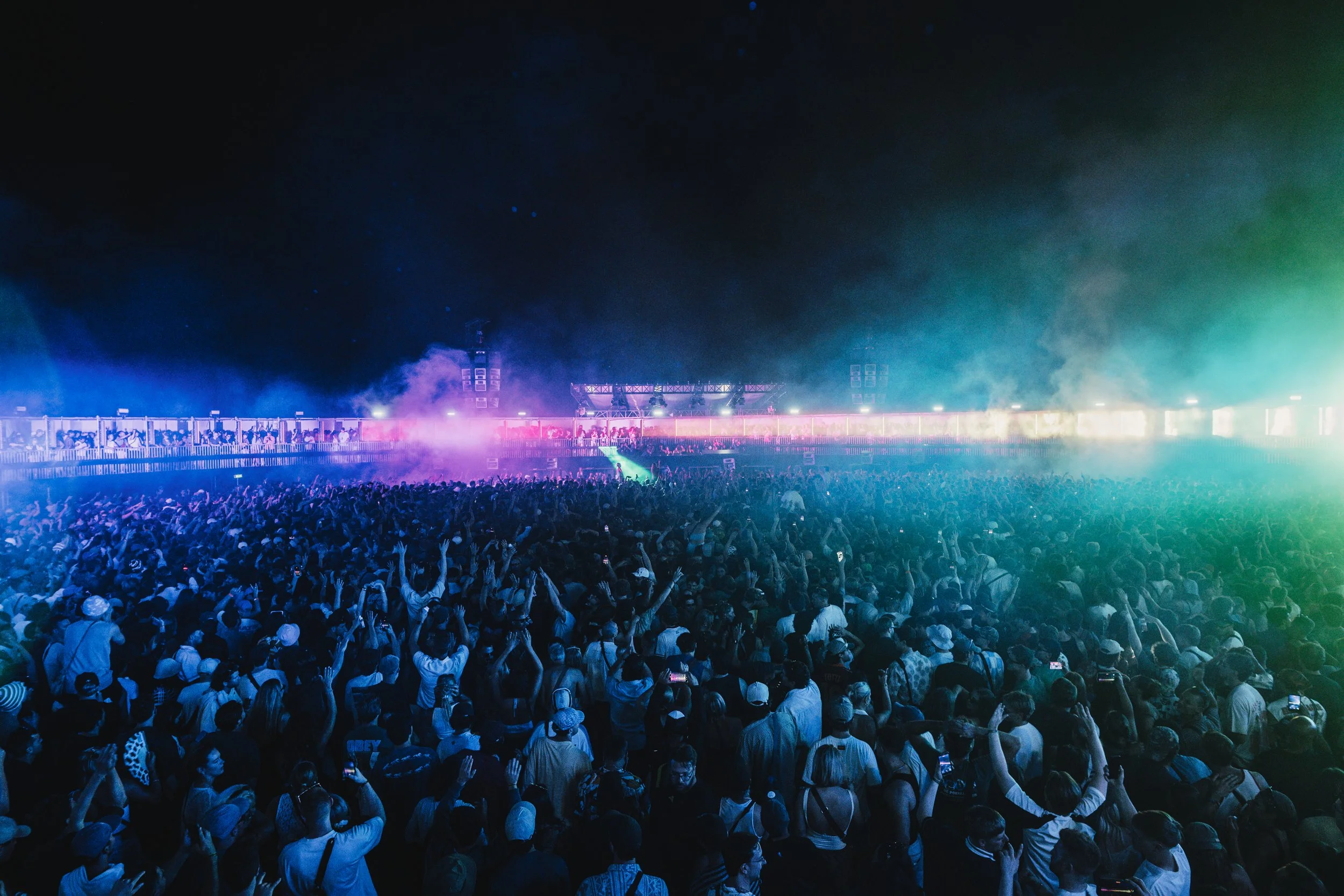
The Loop stage, Dekmantel 2026. photo by Tim Buiting
The Nest was full of people having fun and dancing, and while that stage was never quite our scene, that's purely a matter of musical taste rather than execution. For anyone drawn to that particular sound, the Nest was almost certainly delivering the same thing UFO was delivering for us - and on Friday alone it did double duty as both dancefloor and listening room, with Nídia's percussion-heavy set rooted in Angolan dance music giving way to James Massiah and Lord Tusk, poetry laid over stripped-back production, in a pairing that had no business working as well as it did.
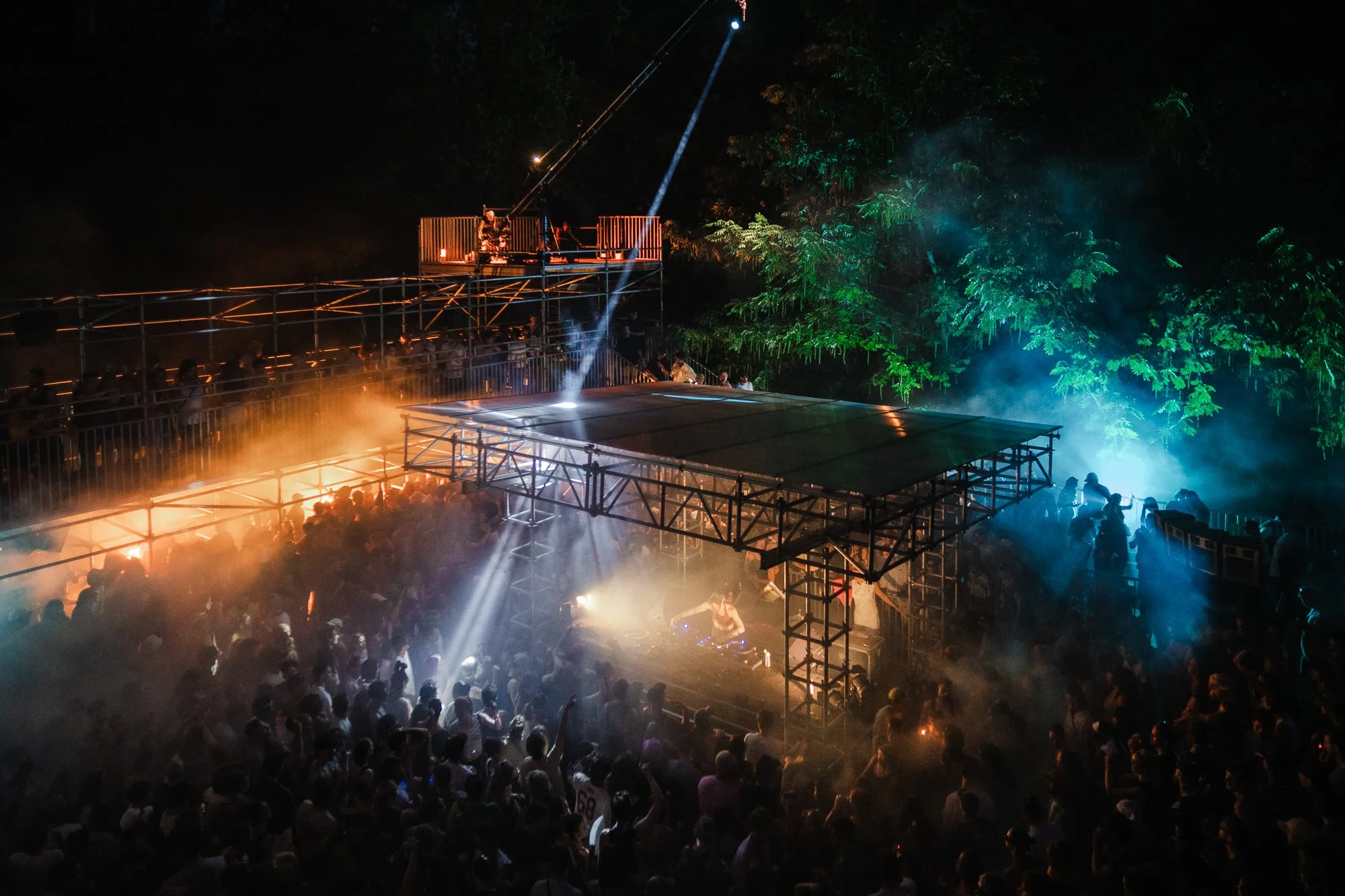
Radar stage at Dekmantel Festival 2026. Photo byAngelina Nikolayeva.
We ended our Friday night at the UFO II with Efdemin & Polygonia, a balanced mix of groove and drive that we'll be chasing the memory of for a while. The following night we closed out at Selectors with Aurora Halal – packed as it was, if you knew your way through the crowd toward the front, that's where the night actually lived. Sunday closed things out in kind, with Ben UFO, Call Super, Objekt and Pariah trading records for five hours on the Greenhouse stage – a fitting send-off for the festival's newest corner, and proof that Dekmantel saves some of its best surprises for the very end.
A few more places to refill water bottles wouldn't have hurt, especially given how hot this edition ran - a small, fixable gap in an otherwise well-run weekend. But that was where the complaints ran out. This is where the festival ended for us, before we made it to the official afters at Radion later that night, where the last act we caught, Oscar Mulero playing solo, was everything a techno head might need to exist: the kind of frequencies horror soundtracks borrow, stretched out closer to nine in the morning felt like the only rational place to be.
Dekmantel Festival, widely appraised, remains one of the best in the world for those who deeply love music. It is the type of festival where you go to listen, and so we did.
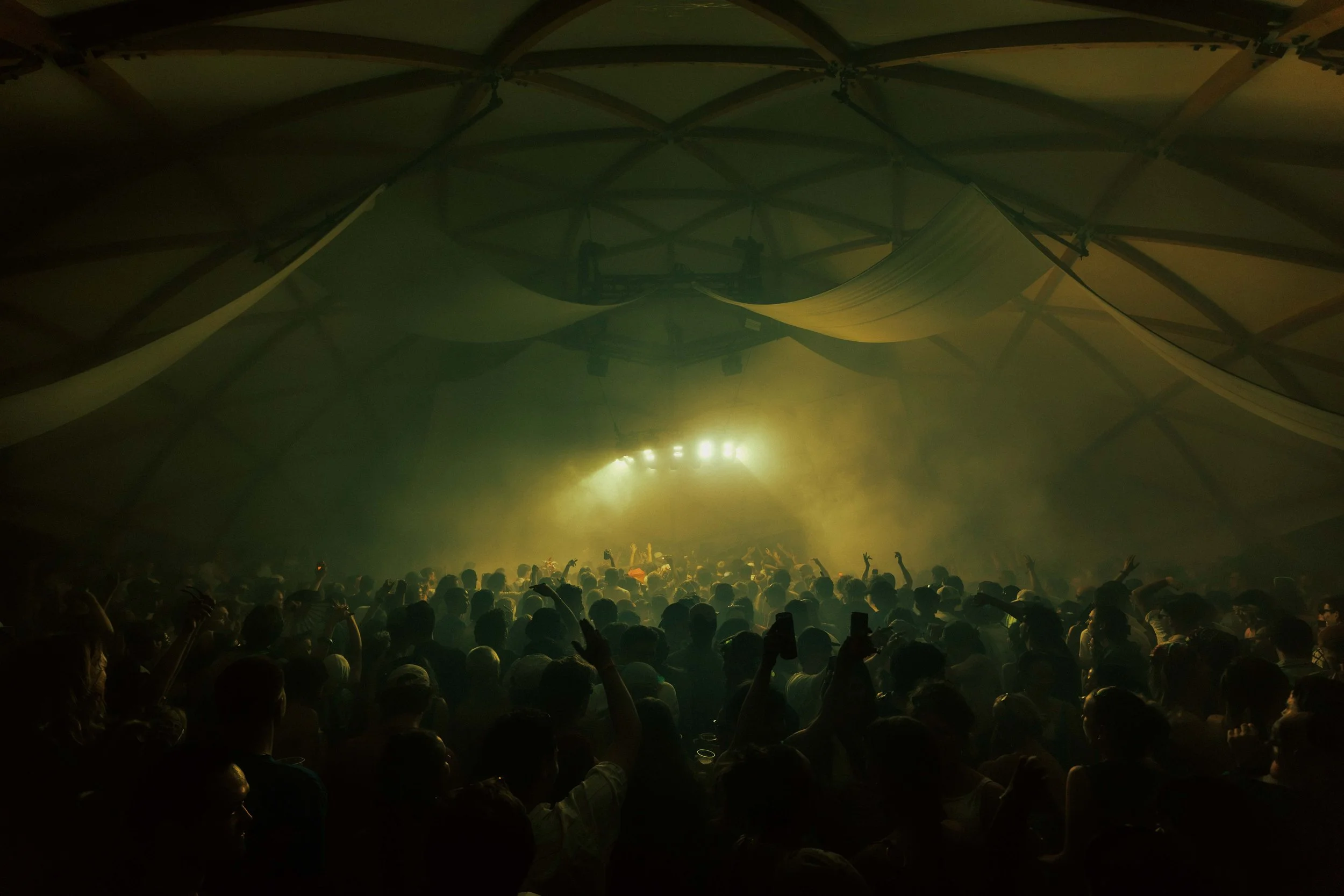
Greenhouse stage, Dekmantel Festival 2026. Photo by xsanjay.