From the Land of the Greatest: in Conversation with Ly Sas
By Nina Katashvili.
There is a place that many did not know about, but lately it’s been popping on everyone’s feeds, on and off screen. Tbilisi, a city the name of which translates into Warmth is where Ly Sas is from, the cordial capital of the republic of Georgia.Needless to say, Georgia is a land that gave the Techno scene a whole new meaning and has raised many passionate and talented DJs, artists, musicians, and of course, the athletes we adore.
Ly Sas’ path began there. It was there she first picked up a guitar and joined bands rehearsing night and day. It was there she first connected with music. And it is there that place immigrant Georgians, miss the most.
Now, Berlin has become the new home. Ly Sas production has flourished like never before. Leaving behind a part of herself with her beloved country she has been living an immigrant life for the most of her adulthood.She is one of the most sophisticated music enthusiasts today. With a background in metal and rock music, her foundational internal values and alignment with them is an evident evolution into her recent music productions. Earlier this year, we reviewed Ly Sas’s Dusk Dance, an EP that came out on FIEDEL II.
Her music has a certain strength to it, with deep, dark sides that make it very attractive to ears.
In this candid conversation we spoke about womanhood, safe spaces and what shapes her work when it comes to creating music.
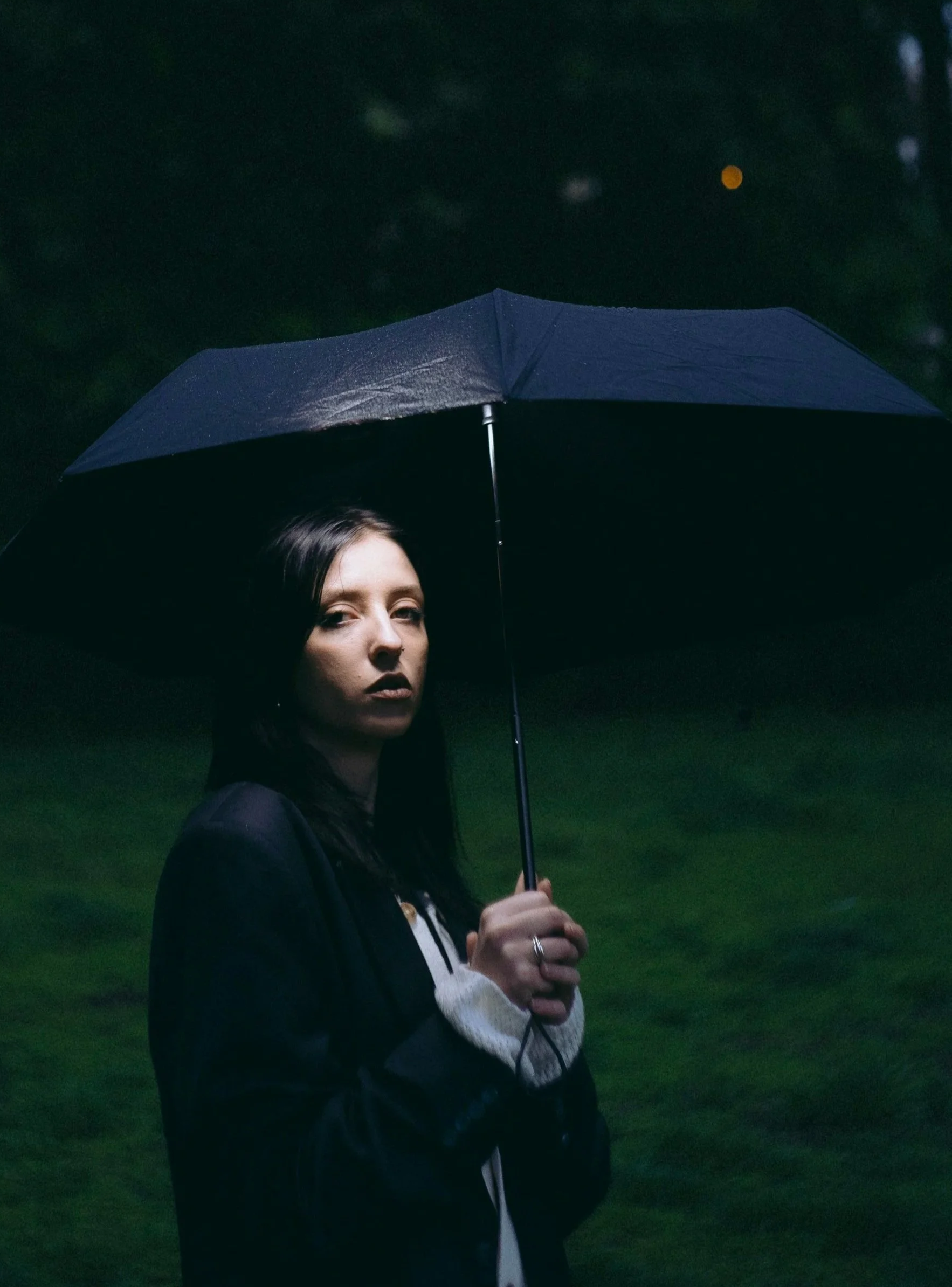
Ly Sas. Photo by Sh Liklikadze
You spent several years in Prague. What initially brought you there, and how did that period shape you musically or personally?
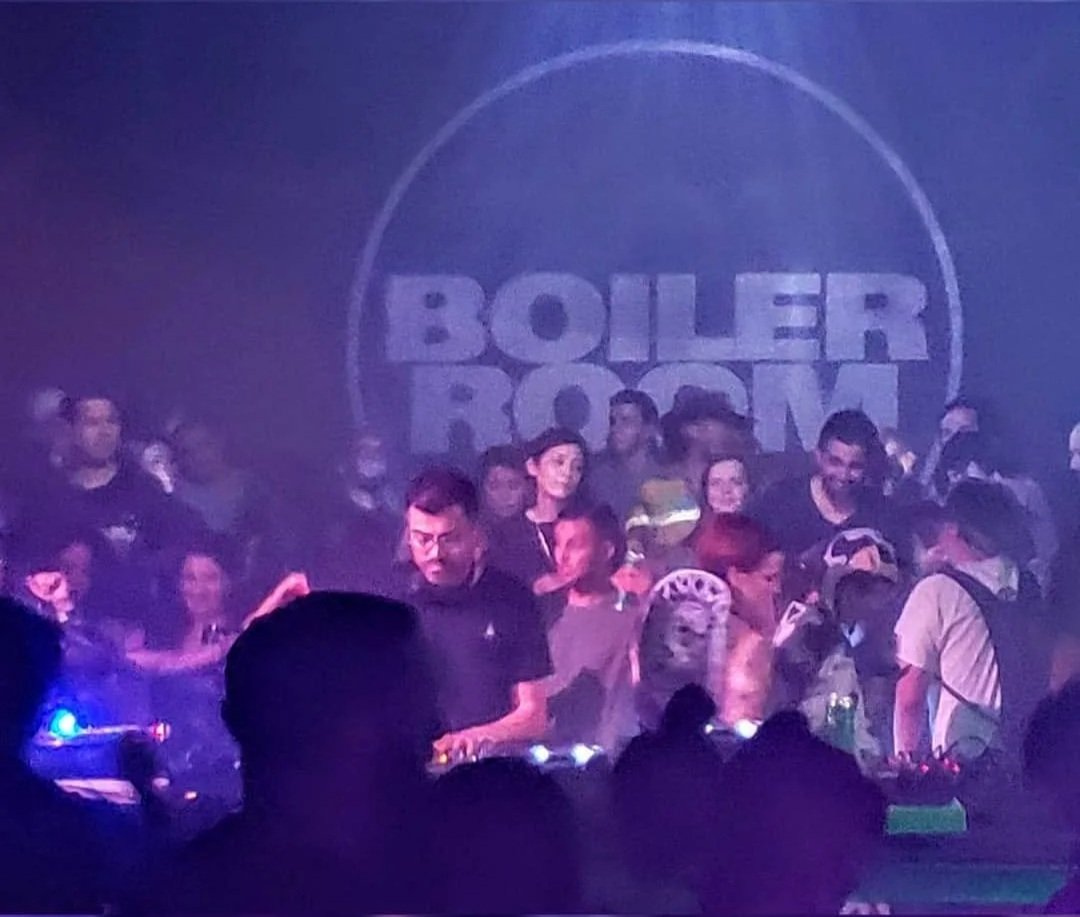
I moved to Prague after finishing school to study film, and that’s where my path into DJing really began. It started organically with small house parties and intimate spaces, while I was also making experimental music at home, which gradually led me into techno production. Sharing my work on SoundCloud opened the door to my first gigs, and within a few years I was already playing in Berlin. That period really shaped my approach grounding it in community, experimentation, and an intuitive connection to music.
What does making music look like for you in practice: not ideals, but daily reality? How do tracks usually begin for you?
In practice, making music is less about chasing inspiration and more about discipline. I work from a setup that’s always ready, so the barrier to starting is as low as possible. Most mornings I stay offline and treat that time as protected space for creating. I’ll usually begin without a clear goal, just exploring sounds, rhythms, or a single idea and see what happens. If a track starts to take shape, I commit to it and follow the momentum. If nothing solid comes out, I don’t force it. I still see those sessions as essential, because showing up and working consistently is what keeps the process honest and moving forward.
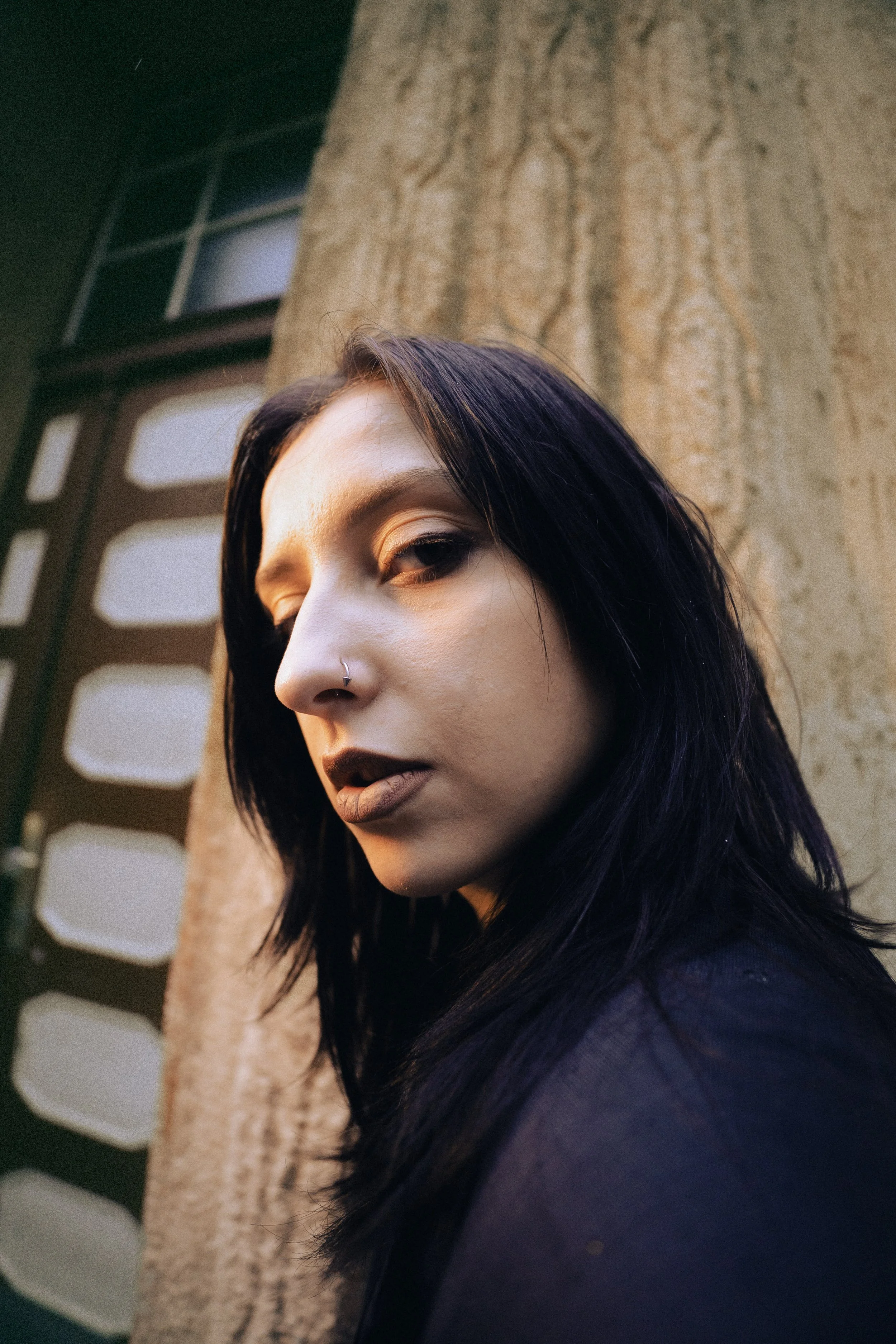
Ly Sas. Photo by Sh Liklikadze
How do you know when a track is finished? Is that decision intuitive, technical, or something else?
I know a track is finished when it feels complete without being crowded, when nothing needs to be added, and removing even a single element would weaken it. That balance is important to me. I usually send the track to a small circle of friends for feedback, which tends to be more technical and helps me double-check details I might overlook. Ultimately though, the decision is intuitive. I don’t believe in endlessly revisiting tracks. My strongest work happens when I’m fully present in a session and take it from start to finish in one focused stretch.
Has your relationship to production changed over time - in terms of tools, pace, or how much pressure you put on the outcome?
Over time, the relationship definitely shifts. After years of having a DAW open, you naturally accumulate skills, tools, and plugins, but more importantly you develop your own way of arranging and shaping tracks. A lot of the technical decisions that once took effort now happen instinctively.
When it comes to outcomes, I put much less pressure on myself than I used to. If I’m not satisfied with where something is going, I don’t force it and move on, start something new. I don’t believe work is ever wasted, every session leaves something behind, whether it’s a sound, an idea, or just progress in how I think. That mindset has made the process faster, calmer, and more honest over time.
Have you noticed gender plays a role in your career development, has being a woman shaped you, restrained you or affected you in any other way?
I grew up around strong women, my mother runs her own company and has been a big influence on me, so I never really saw gender as something that would limit how I work. That perspective naturally carried into music. I’ve focused on developing my craft step by step, and when I’m invited into electronic music spaces, I see it as a reflection of the work I’ve put in. I’m aware of the wider conversations around gender, and we should tend to stay focused on the process and the music itself.
Are there moments where you’ve felt your authority questioned, or alternatively, moments where you’ve felt fully in your power?
Honestly, I can’t point to moments where my authority was really questioned. I’ve also worked in film sound departments, mainly as a boom operator, which is still quite male-dominated, and both there and in music my experience has been more about support than skepticism. Once I’m on the job, I generally feel trusted.
I prefer to let the work speak for itself. That’s where I feel most in my power which is staying focused, doing the job well, and letting the results speak. For me, being rebooked, getting remix requests, or being invited to contribute music are the clearest signs that the work is landing.
What kinds of support, visible or invisible, have mattered most to you along the way?
I genuinely believe support is what brought me to where I am now. Without it, I probably wouldn’t have trusted even my early steps. It started with my family and the freedom they gave me, and continued through people who were generous with their time, knowledge, encouragement, or opportunities. Sometimes that support came as kind words, other times as real chances at moments when I didn’t yet feel fully ready. All of that shaped me. I’m very grateful to everyone who has supported me along the way.
When the term “safe space” is used, what does that actually mean to you in practice, rather than in theory?
For me, a safe space is one where the atmosphere, the music, and the people all come together in harmony, a place where mutual care and freedom are present. I’ve noticed that when cameras are around, I often feel constrained, not just visually in the frame, but in my behavior, which can block my creative energy. A true safe space is a community that shares the values electronic music has been fostering for years: respect, love, and the joy of experiencing it all together.
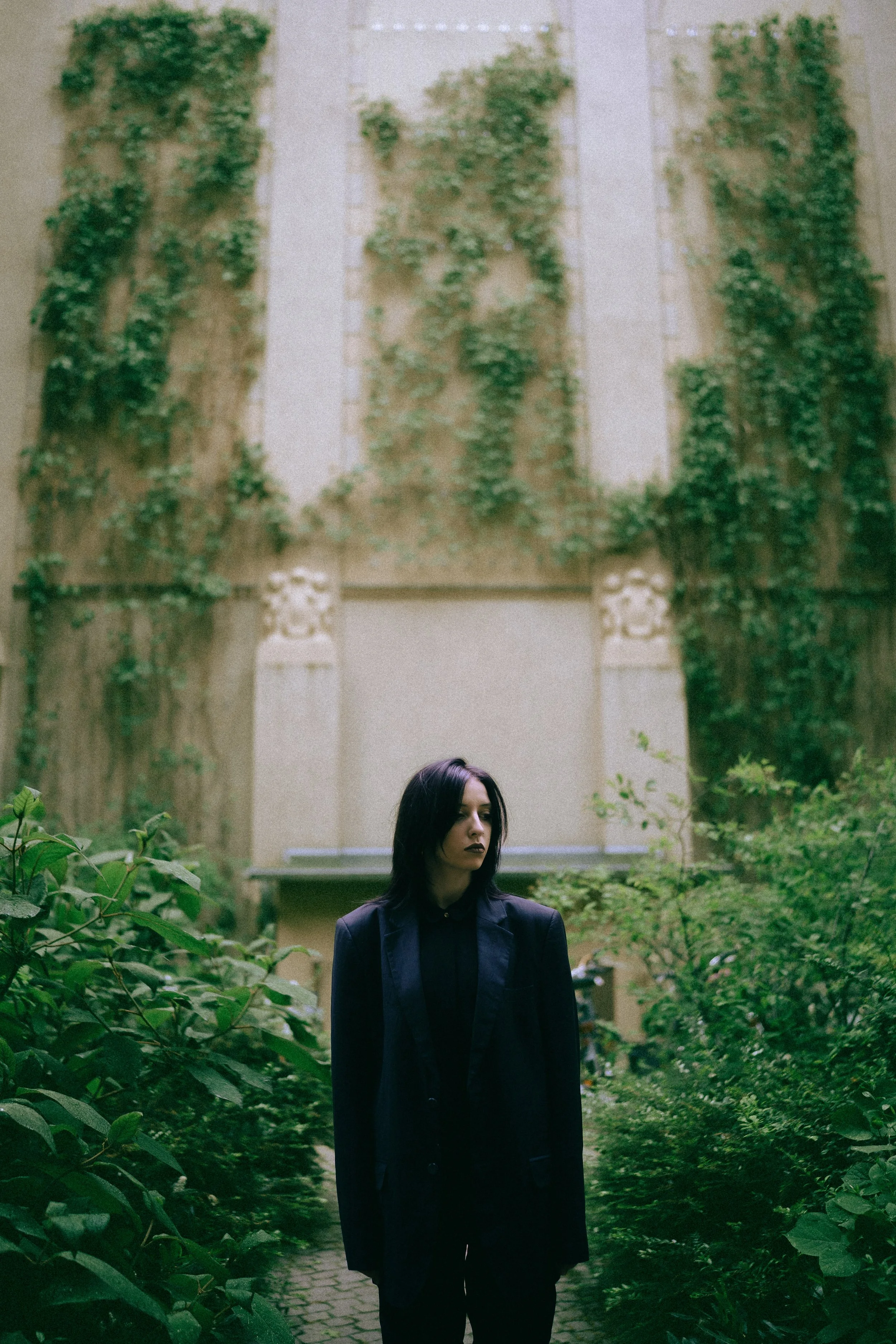
Ly Sas. Photo by Sh Liklikadze
What are you currently focused on creatively, and what feels exciting about the direction you’re moving in now?
I’m in a really good place creatively and feel motivated to keep building from here. Right now I’m focused on new music, collaborations, and slowly developing my own label. There’s a sound I feel deeply connected to, and shaping it more clearly has become a central part of what I’m working on. I’m also increasingly interested in curation and creating contexts around music, not just releasing or playing it. That direction feels very natural to me at the moment and keeps things exciting.
You recently hosted your first night for Tresor New Faces - how did stepping into a curatorial role within that framework compare to your experience as a DJ or producer?
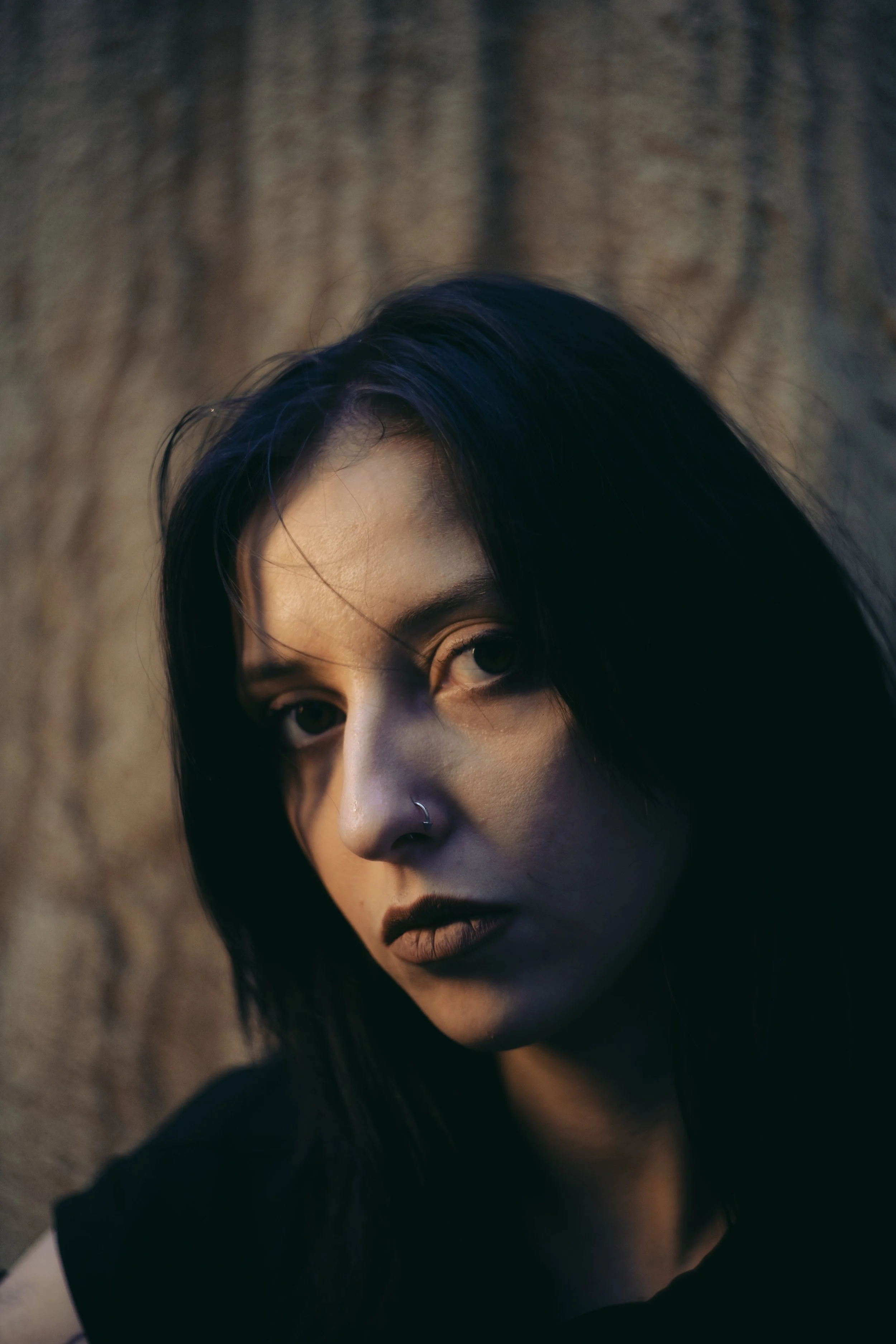
Ly Sas. Photo by Sh Liklikadze
I really enjoyed the experience. Tresor is such an important institution, so stepping into a curatorial role there felt both meaningful and rewarding. It gave me the chance not only to play, but to shape the night and invite artists I genuinely believe in, which adds a different kind of responsibility and creative satisfaction compared to performing or producing alone.
When selecting new faces for the series, does branding ever come into consideration, or are there other qualities you prioritize when deciding who feels right for that context? If so, what tends to stand out to you?
For me, it’s not really about branding. I’m drawn to artists who are genuinely committed to the craft and who play music I deeply connect with. That authenticity and musical integrity are what make someone feel right for that context.
Are there any tools or practices you keep in your bag, music-related or otherwise, that shape how you work or move through a night?
I try to come into a night feeling as fresh as possible, so rest is the key, not just physically, but also giving my ears a break by avoiding listening or organizing music on the day of the set. I like arriving early to spend some time in the space, connect with friends and collectives, and get into a good headspace. And I always wear earplugs - that is a non-negotiable for me!
If you could give an advice to younger self, at the beginning of your music career, what would it be?
If I could give advice to my younger self at the beginning of my music career, it would be: don't overthink things. Embrace every opportunity that comes your way, keep learning, practice as much as you can, and most importantly, enjoy the journey. Every experience will help you grow, both as a musician and as a person.
What do you think is the one thing that the most of people get wrong when they think of Berlin’s dance music as a cultural phenomenon?
I honestly do not know hehe.